




Height rank
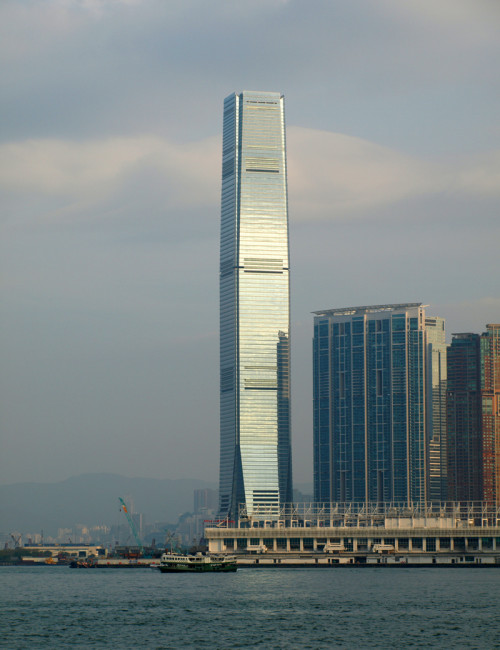
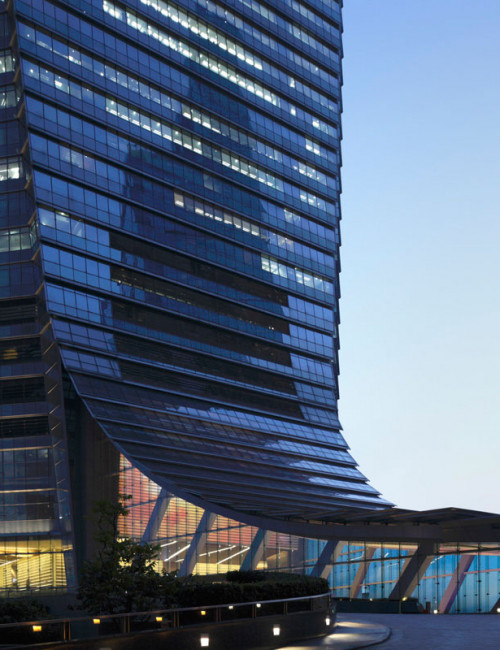
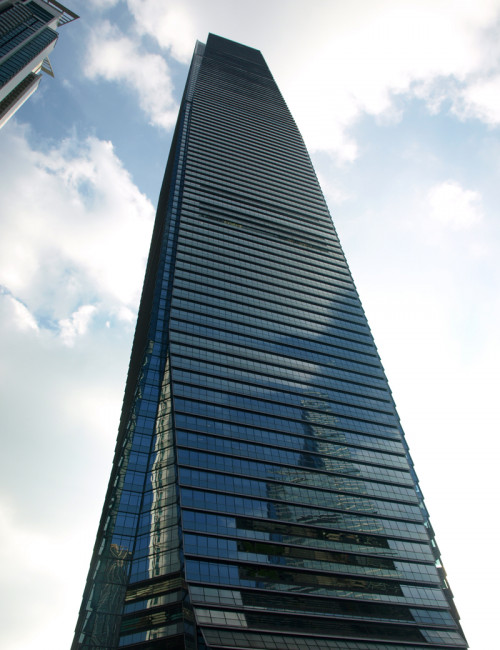
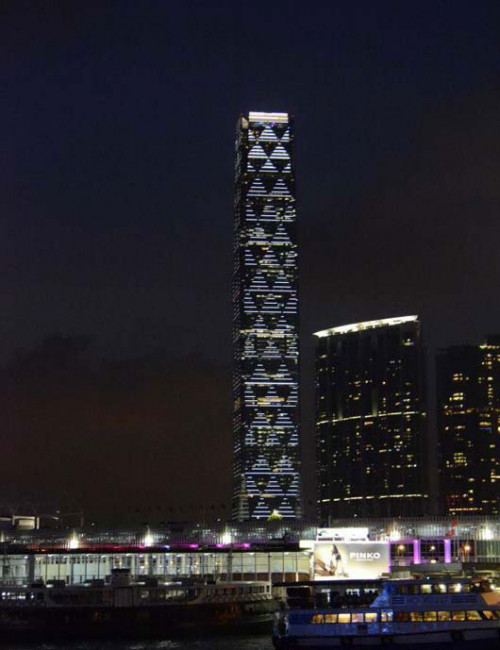
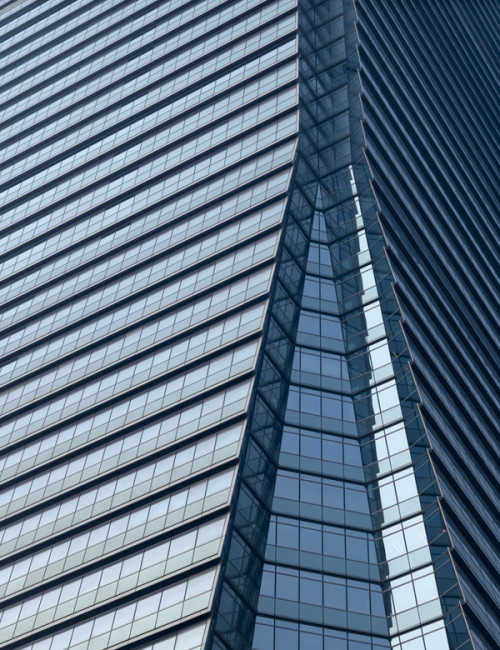
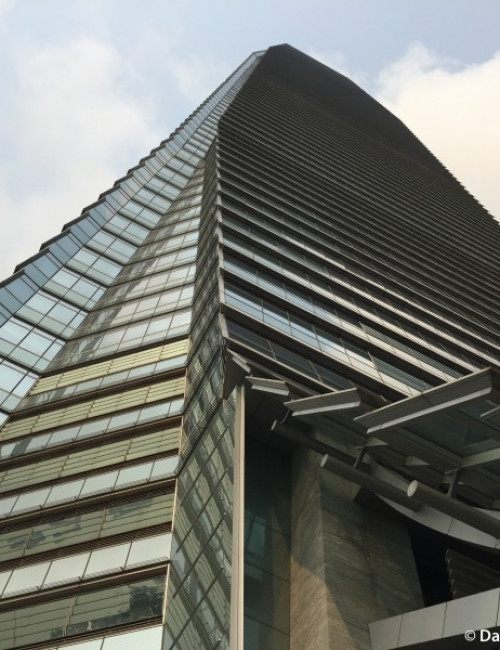
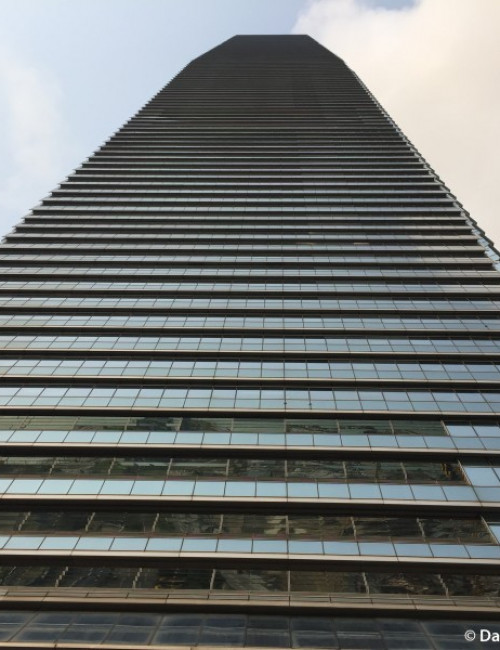
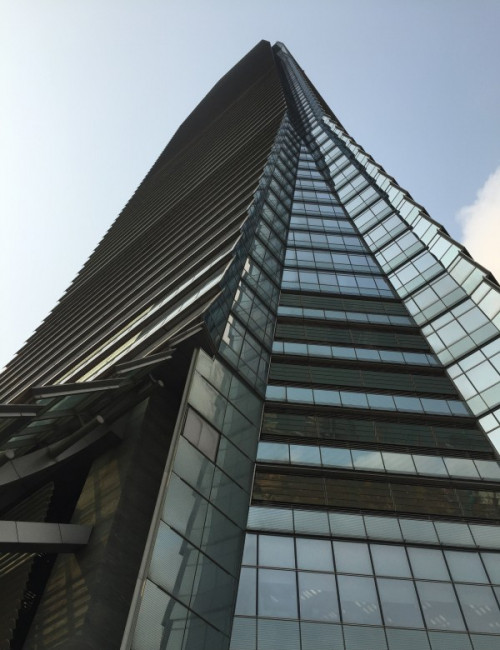
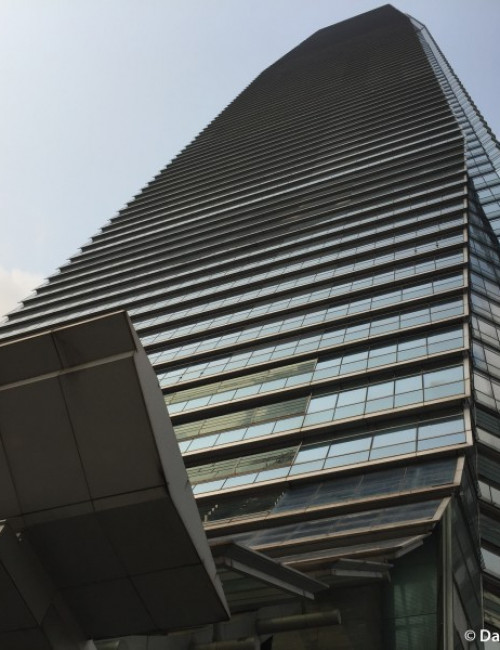
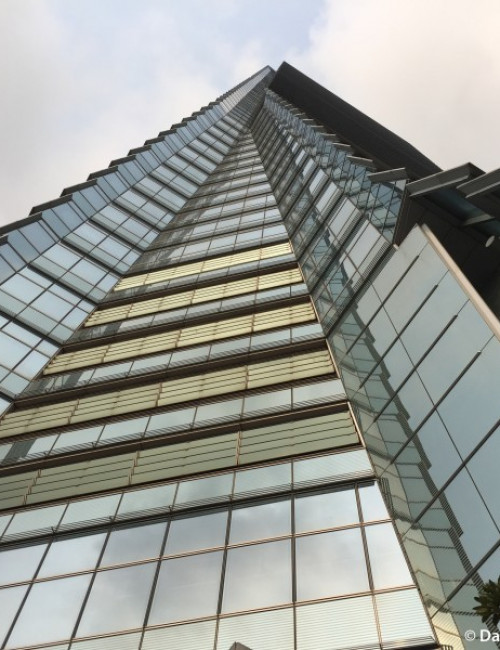
International Commerce Centre
Hong Kong






terrimeyerboake.jpg)
kpf.jpg)
terrimeyerboake.jpg)
terrimeyerboake.jpg)




kpf.jpg)
kpf.jpg)
kpf.jpg)
kpf.jpg)
kpf.jpg)



kpf.jpg)

kpf.jpg)
- CVU Drawing
- Facts
-
Metrics
You must be a CVU Member to view this resource.
To Tip:
Height is measured from the level of the lowest, significant, open-air, pedestrian entrance to the highest point of the building, irrespective of material or function of the highest element (i.e., including antennae, flagpoles, signage and other functional-technical equipment).Architectural:
Height is measured from the level of the lowest, significant, open-air, pedestrian entrance to the architectural top of the building, including spires, but not including antennae, signage, flag poles or other functional-technical equipment. This measurement is the most widely utilized and is employed to define the Council on Vertical Urbanism (CVU) rankings of the "World's Tallest Buildings."Occupied:
Height is measured from the level of the lowest, significant, open-air, pedestrian entrance to the highest occupied floor within the building.Above Ground
The number of floors above ground should include the ground floor level and be the number of main floors above ground, including any significant mezzanine floors and major mechanical plant floors. Mechanical mezzanines should not be included if they have a significantly smaller floor area than the major floors below. Similarly, mechanical penthouses or plant rooms protruding above the general roof area should not be counted. Note: CVU floor counts may differ from published accounts, as it is common in some regions of the world for certain floor levels not to be included (e.g., the level 4, 14, 24, etc. in Hong Kong).Below Ground
The number of floors below ground should include all major floors located below the ground floor level.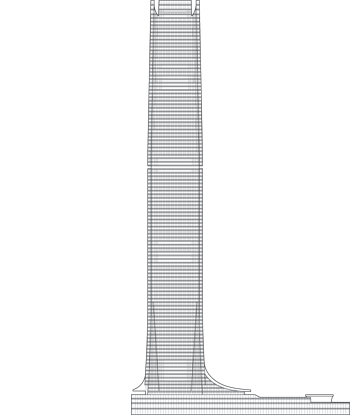
Official Name
International Commerce Centre
Other Names
ICC
Name of Complex
Type
Building
Status
Completed
Completion
2010
Country
City
Address
Function
A mixed-use tall building contains two or more functions (or uses), where each of the functions occupy a significant proportion of the tower's total space. Support areas such as car parks and mechanical plant space do not constitute mixed-use functions. Functions are denoted on CVU "Tallest Building" lists in descending order, e.g., "hotel/office" indicates hotel function above office function.
Hotel / Office
Structural Material
Both the main vertical/lateral structural elements and the floor spanning systems are constructed from steel. Note that a building of steel construction with a floor system of concrete planks or concrete slab on top of steel beams is still considered an “all-steel” structure as the concrete elements are not acting as the primary structure.
All-Concrete
Both the main vertical/lateral structural elements and the floor spanning systems are constructed from concrete which has been cast in place and utilizes steel reinforcement bars and/or steel reinforced concrete which has been precast as individual components and assembled together on-site.
All-Timber
Both the main vertical/lateral structural elements and the floor spanning systems are constructed from timber. An all-timber structure may include the use of localized non-timber connections between timber elements. Note that a building of timber construction with a floor system of concrete planks or concrete slab on top of timber beams is still considered an “all-timber” structure as the concrete elements are not acting as the primary structure.
Mixed-Structure
Utilizes distinct systems (e.g. all-steel, all-concrete, all-timber), one on top of the other. For example, a Steel Over Concrete indicates an all-steel structural system located on top of an all-concrete structural system, with the opposite true of Concrete Over Steel.
Composite
A combination of materials (e.g. steel, concrete, timber) are used together in the main structural elements. Examples include buildings which utilize: steel columns with a floor system of reinforced concrete beams; a steel frame system with a concrete core; concrete-encased steel columns; concrete-filled steel tubes; etc. Where known, the CVU database breaks out the materials used within a composite building’s primary structural elements.
Concrete-Steel Composite
Official Website
Height
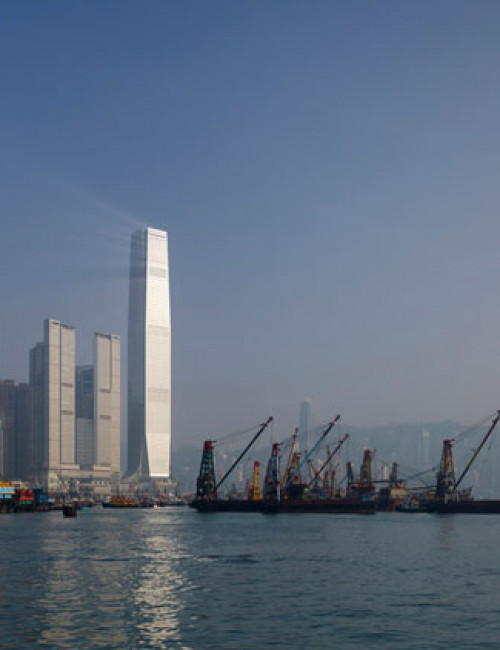
484 m / 1,588 ft
Floors Above Ground
108
Floors Below Ground
4
# of Hotel Rooms
312
# of Parking Spaces
1700
# of Elevators
86
Top Elevator Speed
9 m/s
Tower GFA
274,064 m² / 2,950,000 ft²
Rankings
-
By function
You must be a CVU Member to view this resource.
-
By material
You must be a CVU Member to view this resource.
Construction Schedule
Proposed
Construction Start
Completed
Developer
Architect
Usually involved in the front end design, with a "typical" condition being that of a leadership role through either Schematic Design or Design Development, and then a monitoring role through the CD and CA phases.
Structural Engineer
The Design Engineer is usually involved in the front end design, typically taking the leadership role in the Schematic Design and Design Development, and then a monitoring role through the CD and CA phases.
The Peer Review Engineer traditionally comments on the information produced by another party, and to render second opinions, but not to initiate what the design looks like from the start.
MEP Engineer
The Design Engineer is usually involved in the front end design, typically taking the leadership role in the Schematic Design and Design Development, and then a monitoring role through the CD and CA phases.
Project Manager
The CTBUH lists a project manager when a specific firm has been commissioned to oversee this aspect of a tall building’s design/construction. When the project management efforts are handled by the developer, main contract, or architect, this field will be omitted.
The CTBUH lists a project manager when a specific firm has been commissioned to oversee this aspect of a tall building’s design/construction. When the project management efforts are handled by the developer, main contract, or architect, this field will be omitted.
Contractor
The main contractor is the supervisory contractor of all construction work on a project, management of sub-contractors and vendors, etc. May be referred to as "Construction Manager," however, for consistency CTBUH uses the term "Main Contractor" exclusively.
Other Consultant
Other Consultant refers to other organizations which provided significant consultation services for a building project (e.g. wind consultants, environmental consultants, fire and life safety consultants, etc).
Other Consultant refers to other organizations which provided significant consultation services for a building project (e.g. wind consultants, environmental consultants, fire and life safety consultants, etc).
Material Supplier
Material Supplier refers to organizations which supplied significant systems/materials for a building project (e.g. elevator suppliers, facade suppliers, etc).
Material Supplier refers to organizations which supplied significant systems/materials for a building project (e.g. elevator suppliers, facade suppliers, etc).
You must be a CVU Member to view this resource.
Developer
Architect
Usually involved in the front end design, with a "typical" condition being that of a leadership role through either Schematic Design or Design Development, and then a monitoring role through the CD and CA phases.
Usually takes on the balance of the architectural effort not executed by the "Design Architect," typically responsible for the construction documents, conforming to local codes, etc. May often be referred to as "Executive," "Associate," or "Local" Architect, however, for consistency CTBUH uses the term "Architect of Record" exclusively.
Wong & Ouyang
Structural Engineer
The Design Engineer is usually involved in the front end design, typically taking the leadership role in the Schematic Design and Design Development, and then a monitoring role through the CD and CA phases.
The Peer Review Engineer traditionally comments on the information produced by another party, and to render second opinions, but not to initiate what the design looks like from the start.
MEP Engineer
The Design Engineer is usually involved in the front end design, typically taking the leadership role in the Schematic Design and Design Development, and then a monitoring role through the CD and CA phases.
Project Manager
The CTBUH lists a project manager when a specific firm has been commissioned to oversee this aspect of a tall building’s design/construction. When the project management efforts are handled by the developer, main contract, or architect, this field will be omitted.
The CTBUH lists a project manager when a specific firm has been commissioned to oversee this aspect of a tall building’s design/construction. When the project management efforts are handled by the developer, main contract, or architect, this field will be omitted.
Contractor
The main contractor is the supervisory contractor of all construction work on a project, management of sub-contractors and vendors, etc. May be referred to as "Construction Manager," however, for consistency CTBUH uses the term "Main Contractor" exclusively.
China State Construction Engineering Corporation; Sanfield Building Contractors Limited
Other Consultant
Other Consultant refers to other organizations which provided significant consultation services for a building project (e.g. wind consultants, environmental consultants, fire and life safety consultants, etc).
Other Consultant refers to other organizations which provided significant consultation services for a building project (e.g. wind consultants, environmental consultants, fire and life safety consultants, etc).
Hong Kong Arts Development Council
These are firms that consult on the design of a building's façade. May often be referred to as "Cladding," "Envelope," "Exterior Wall," or "Curtain Wall" Consultant, however, for consistency CTBUH uses the term "Façade Consultant" exclusively.
Meinhardt
LTW Designworks
Belt Collins & Associates
Lighting Planners Associates
Wordsearch
Atelier Pacific Limited
Material Supplier
Material Supplier refers to organizations which supplied significant systems/materials for a building project (e.g. elevator suppliers, facade suppliers, etc).
Material Supplier refers to organizations which supplied significant systems/materials for a building project (e.g. elevator suppliers, facade suppliers, etc).
Guangdong JMA Aluminium Profile Factory (Group) Co., Ltd.
Permasteelisa Group; ALT Limited
Schindler; Sematic S.r.l.
Grace Construction Products
AkzoNobel
Dow Corning Corporation; Momentive
China Construction Steel Structure Corporation
CVU Awards & Distinctions
Performance Award 2014 Winner
2014 CVU Awards
10 Year Award 2020 Award of Excellence
2020 CVU Awards
Best Tall Building, by Region, Asia & Australasia 2011 Award of Excellence
2011 CVU Awards
About International Commerce Centre
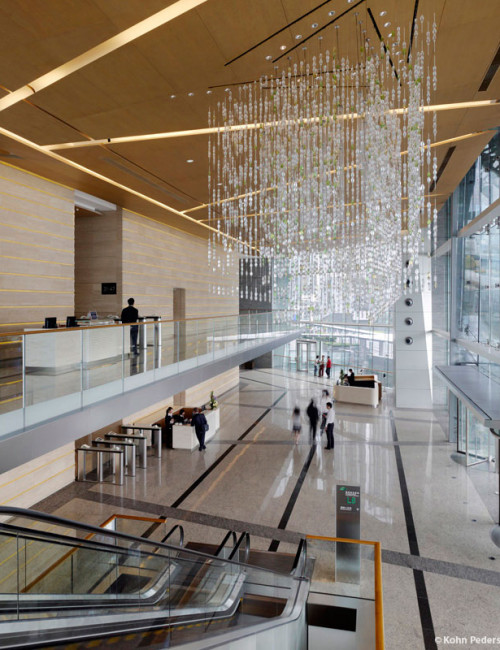
International Commerce Centre houses some of the most prominent financial institutions in the world. The building is routinely recognized as a paragon of good management, from a commercial, environmental, and community standpoint.
The level of energy efficiency achieved by the International Commerce Centre is unusual for a tall building, and significant investments have been made in improving energy performance over the years, especially since adapting the ISO 50001 Energy Management Systems certification in 2011. This commitment was followed by more than 50 advanced energy-saving measures. The Energy Utilization Index (EUI) of International Commerce Centre's energy performance in 2013 was 157.3 kWh/sqm, placing it among the top 10 percent of energy-efficient commercial buildings. A computerized building management system manages and controls the energy use in the building. The total energy consumption of the project was reduced from 56.3 million kWh in 2012 to 49.9 million kWh in 2013, a reduction of 6.4 million kWh, or 11 percent.
The air-conditioning system is a high-voltage water-cooled chiller system with a centrifugal separator enhancing the chiller’s coefficient of performance (COP), resulting in an 8 percent reduction in energy consumption. The system's original corrugated aluminum separator box filter was replaced with a more advanced mini-pleat filter, reducing system pressure by 25 percent and consequently reducing energy consumption as well. Management has carried out a life cycle testing program with Hong Kong Polytechnic Unversity, resulting in energy optimization and significant savings of 7 million kWh from 2011 through 2013. International Commerce Centre has saved an estimated HK $7 million (US$900,000) annually through this program.
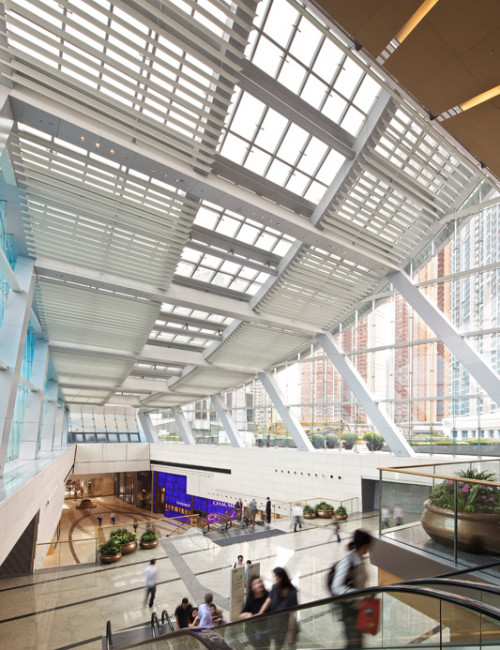
Other energy-saving features include a low-emission curtain wall, natural lighting of the atrium, the wide adoption of energy-efficient lighting fixtures such as LEDs and T5 fittings, and double-decker elevators with destination control and power regeneration functions. Simple actions such as deactivating elevators during low-use periods are equally important. Through these investments, the building reduced CO2 emissions by 4.2 million kilograms in 2013.
The building’s waste-management program has increased its collection of recyclables from 94,000 kilograms in 2013 to 101,714 kilograms in 2013, an 8.21 percent increase. Participation in the recycling program increased from 60 percent of occupants in 2010 to 90 percent in 2013. Recycling items collected have expanded to include waste paper, plastic and aluminum cans, glass bottles, food waste, chemical waste, and coffee grounds, as well as creative reuse of festival decoration items.
Of course, a building’s initial successes in performance-based design can be undone if occupants are not well-trained and motivated to continue imbuing their daily activities with these principles. The key to achieving high performance lies in International Commerce Centre's intensive, involved relationship with its tenants. Each tenant is assigned its own account manager, who is in frequent contact with the tenant and learns about their requirements in detail. A 24/7 helpdesk is available for tenants, regardless of where they are in the world.
To ensure ongoing “greenkeeping” by occupants and the wider community, International Commerce Centre's management extended its food-waste collection program to the surrounding community, and conducted more than 300 sharing events to promote green principles. The “International Commerce Centre Celsius 26” plan was launched in 2012, maintaining the building’s common areas at 26 degrees C, warmer than typical engineering standards, but still comfortable. Apart from the base building’s energy audit, International Commerce Centre provides free energy audits for its tenants upon request.
By using the helpdesk and computerized building systems as a data-collection and dissemination tool, combined with a high level of direct training, interaction and support of tenants, a “virtuous circle” is formed, in which tenants are motivated to adhere to energy guidelines and to contribute data, which is then reported back to tenants and management.
CVU Awards & Distinctions
Performance Award 2014 Winner
2014 CVU Awards
10 Year Award 2020 Award of Excellence
2020 CVU Awards
Best Tall Building, by Region, Asia & Australasia 2011 Award of Excellence
2011 CVU Awards
Quick Facts
- The Ozone Bar on the 108th floor is the world's highest cocktail lounge in a building at 468.8 m.
- The world's highest swimming pool in a building is located on the 108th floor.
Learn more about the Council on Vertical Urbanism
Discover how vertical living is shaping the next generation of urban environments. Explore insights, research, and global leadership in vertical urban development