




Height rank
Lotte World Tower
Seoul






kpf.jpg)
kpf.jpg)
kpf.jpg)
kpf.jpg)
leslieerobertson-2.jpg)








lotte.jpg)
lotte.jpg)
lotte.jpg)
kpf.jpg)
kpf.jpg)
- CVU Drawing
- Facts
-
Metrics
You must be a CVU Member to view this resource.
To Tip:
Height is measured from the level of the lowest, significant, open-air, pedestrian entrance to the highest point of the building, irrespective of material or function of the highest element (i.e., including antennae, flagpoles, signage and other functional-technical equipment).Architectural:
Height is measured from the level of the lowest, significant, open-air, pedestrian entrance to the architectural top of the building, including spires, but not including antennae, signage, flag poles or other functional-technical equipment. This measurement is the most widely utilized and is employed to define the Council on Vertical Urbanism (CVU) rankings of the "World's Tallest Buildings."Occupied:
Height is measured from the level of the lowest, significant, open-air, pedestrian entrance to the highest occupied floor within the building.
Above Ground
The number of floors above ground should include the ground floor level and be the number of main floors above ground, including any significant mezzanine floors and major mechanical plant floors. Mechanical mezzanines should not be included if they have a significantly smaller floor area than the major floors below. Similarly, mechanical penthouses or plant rooms protruding above the general roof area should not be counted. Note: CVU floor counts may differ from published accounts, as it is common in some regions of the world for certain floor levels not to be included (e.g., the level 4, 14, 24, etc. in Hong Kong).Below Ground
The number of floors below ground should include all major floors located below the ground floor level.Official Name
Lotte World Tower
Other Names
롯데월드타워, Lotte Jamsil Super Tower, Lotte World Premium Tower
Type
Building
Status
Completed
Completion
2017
Country
City
Address
Function
A mixed-use tall building contains two or more functions (or uses), where each of the functions occupy a significant proportion of the tower's total space. Support areas such as car parks and mechanical plant space do not constitute mixed-use functions. Functions are denoted on CVU "Tallest Building" lists in descending order, e.g., "hotel/office" indicates hotel function above office function.
Hotel / Residential / Office / Retail
Structural Material
Both the main vertical/lateral structural elements and the floor spanning systems are constructed from steel. Note that a building of steel construction with a floor system of concrete planks or concrete slab on top of steel beams is still considered an “all-steel” structure as the concrete elements are not acting as the primary structure.
All-Concrete
Both the main vertical/lateral structural elements and the floor spanning systems are constructed from concrete which has been cast in place and utilizes steel reinforcement bars and/or steel reinforced concrete which has been precast as individual components and assembled together on-site.
All-Timber
Both the main vertical/lateral structural elements and the floor spanning systems are constructed from timber. An all-timber structure may include the use of localized non-timber connections between timber elements. Note that a building of timber construction with a floor system of concrete planks or concrete slab on top of timber beams is still considered an “all-timber” structure as the concrete elements are not acting as the primary structure.
Mixed-Structure
Utilizes distinct systems (e.g. all-steel, all-concrete, all-timber), one on top of the other. For example, a Steel Over Concrete indicates an all-steel structural system located on top of an all-concrete structural system, with the opposite true of Concrete Over Steel.
Composite
A combination of materials (e.g. steel, concrete, timber) are used together in the main structural elements. Examples include buildings which utilize: steel columns with a floor system of reinforced concrete beams; a steel frame system with a concrete core; concrete-encased steel columns; concrete-filled steel tubes; etc. Where known, the CVU database breaks out the materials used within a composite building’s primary structural elements.
Concrete-Steel Composite
Height
554.5 m / 1,819 ft
Floors Above Ground
123
Floors Below Ground
6
# of Hotel Rooms
260
# of Elevators
58
Top Elevator Speed
10 m/s
Tower GFA
304,081 m² / 3,273,101 ft²
Rankings
-
By function
You must be a CVU Member to view this resource.
-
By material
You must be a CVU Member to view this resource.
Construction Schedule
Construction Start
Completed
Owner/Developer
Architect
Usually involved in the front end design, with a "typical" condition being that of a leadership role through either Schematic Design or Design Development, and then a monitoring role through the CD and CA phases.
Structural Engineer
The Design Engineer is usually involved in the front end design, typically taking the leadership role in the Schematic Design and Design Development, and then a monitoring role through the CD and CA phases.
The Peer Review Engineer traditionally comments on the information produced by another party, and to render second opinions, but not to initiate what the design looks like from the start.
MEP Engineer
The Design Engineer is usually involved in the front end design, typically taking the leadership role in the Schematic Design and Design Development, and then a monitoring role through the CD and CA phases.
The Peer Review Engineer traditionally comments on the information produced by another party, and to render second opinions, but not to initiate what the design looks like from the start.
Contractor
The main contractor is the supervisory contractor of all construction work on a project, management of sub-contractors and vendors, etc. May be referred to as "Construction Manager," however, for consistency CTBUH uses the term "Main Contractor" exclusively.
Other Consultant
Other Consultant refers to other organizations which provided significant consultation services for a building project (e.g. wind consultants, environmental consultants, fire and life safety consultants, etc).
Other Consultant refers to other organizations which provided significant consultation services for a building project (e.g. wind consultants, environmental consultants, fire and life safety consultants, etc).
These are firms that consult on the design of a building's façade. May often be referred to as "Cladding," "Envelope," "Exterior Wall," or "Curtain Wall" Consultant, however, for consistency CTBUH uses the term "Façade Consultant" exclusively.
Material Supplier
Material Supplier refers to organizations which supplied significant systems/materials for a building project (e.g. elevator suppliers, facade suppliers, etc).
Material Supplier refers to organizations which supplied significant systems/materials for a building project (e.g. elevator suppliers, facade suppliers, etc).
You must be a CVU Member to view this resource.
Owner/Developer
Architect
Usually involved in the front end design, with a "typical" condition being that of a leadership role through either Schematic Design or Design Development, and then a monitoring role through the CD and CA phases.
Usually takes on the balance of the architectural effort not executed by the "Design Architect," typically responsible for the construction documents, conforming to local codes, etc. May often be referred to as "Executive," "Associate," or "Local" Architect, however, for consistency CTBUH uses the term "Architect of Record" exclusively.
BAUM Architects
Structural Engineer
The Design Engineer is usually involved in the front end design, typically taking the leadership role in the Schematic Design and Design Development, and then a monitoring role through the CD and CA phases.
The Engineer of Record takes the balance of the engineering effort not executed by the “Design Engineer,” typically responsible for construction documents, conforming to local codes, etc.
Chang Minwoo Structural Consultants
The Peer Review Engineer traditionally comments on the information produced by another party, and to render second opinions, but not to initiate what the design looks like from the start.
MEP Engineer
The Design Engineer is usually involved in the front end design, typically taking the leadership role in the Schematic Design and Design Development, and then a monitoring role through the CD and CA phases.
The Peer Review Engineer traditionally comments on the information produced by another party, and to render second opinions, but not to initiate what the design looks like from the start.
Contractor
The main contractor is the supervisory contractor of all construction work on a project, management of sub-contractors and vendors, etc. May be referred to as "Construction Manager," however, for consistency CTBUH uses the term "Main Contractor" exclusively.
Other Consultant
Other Consultant refers to other organizations which provided significant consultation services for a building project (e.g. wind consultants, environmental consultants, fire and life safety consultants, etc).
Other Consultant refers to other organizations which provided significant consultation services for a building project (e.g. wind consultants, environmental consultants, fire and life safety consultants, etc).
Rider Levett Bucknall
These are firms that consult on the design of a building's façade. May often be referred to as "Cladding," "Envelope," "Exterior Wall," or "Curtain Wall" Consultant, however, for consistency CTBUH uses the term "Façade Consultant" exclusively.
Curtain Wall Design and Consulting, Inc.; ALT Limited
The Leading Hotels of the World, Ltd.
Aon Global Risk Consulting
Fortune Shepler Consulting
Material Supplier
Material Supplier refers to organizations which supplied significant systems/materials for a building project (e.g. elevator suppliers, facade suppliers, etc).
Material Supplier refers to organizations which supplied significant systems/materials for a building project (e.g. elevator suppliers, facade suppliers, etc).
Shanghai Yaohua Pilkington Glass Group Co., Ltd.
Otis Elevator Company; Mitsubishi Elevator and Escalator
HALFEN
CVU Awards & Distinctions
Best Tall Building, by Region, Asia & Australasia 2018 Award of Excellence
2018 CVU Awards
Global News

28 February 2019
Regulatory Hurdles Cleared for Seoul’s Next Tallest Building
The administrative procedures have been completed to erect what could be the new tallest building in Korea, after Hyundai Motor Group applied for the construction...
About Lotte World Tower
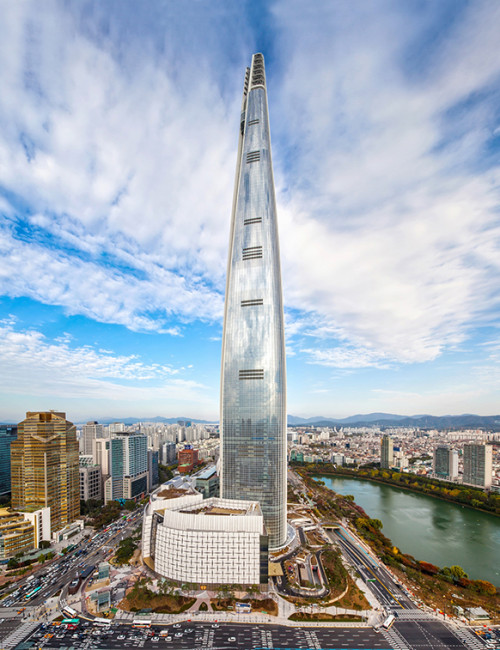
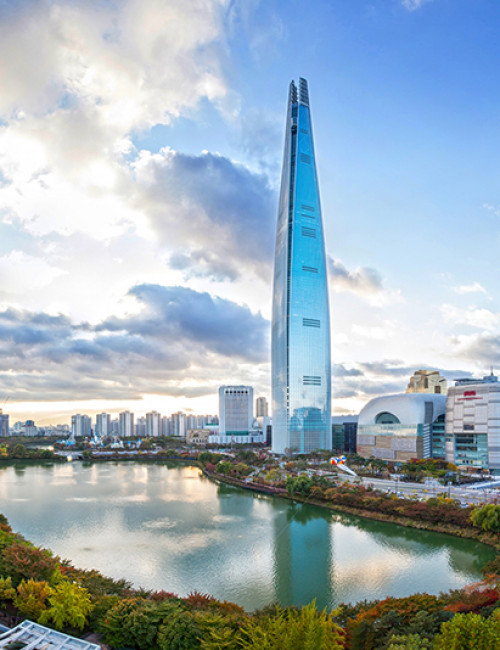
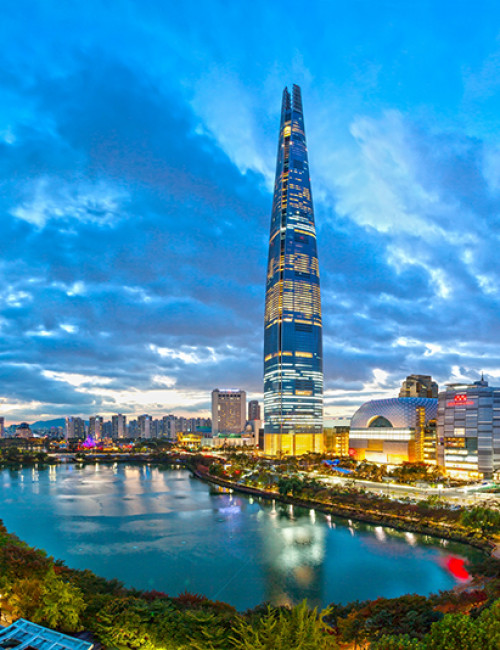
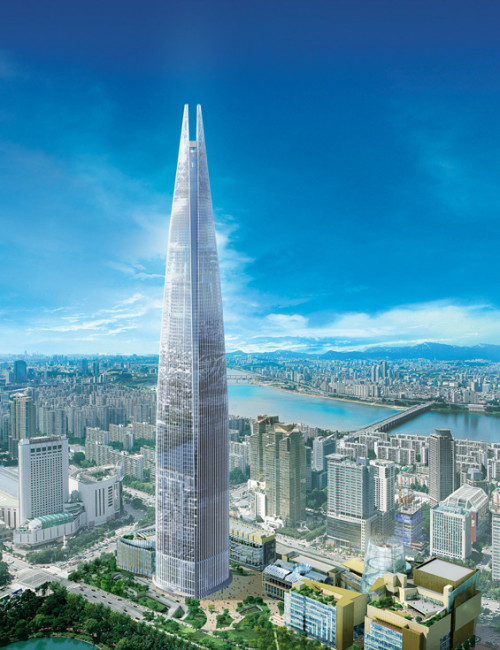
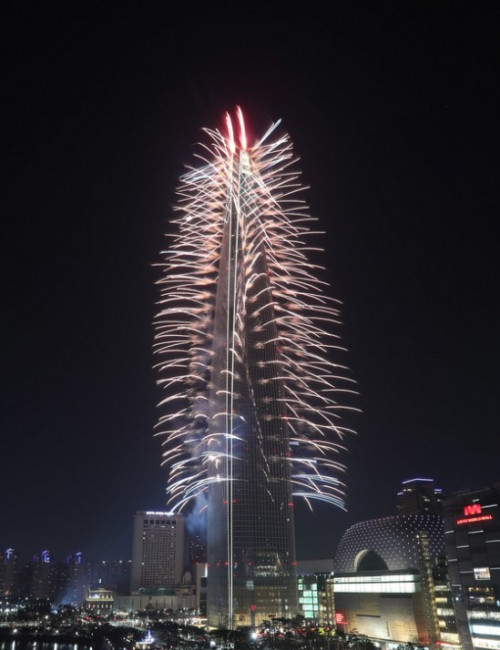
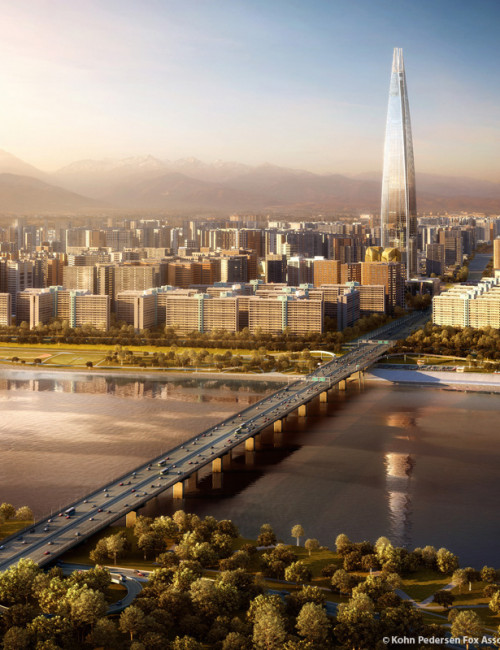
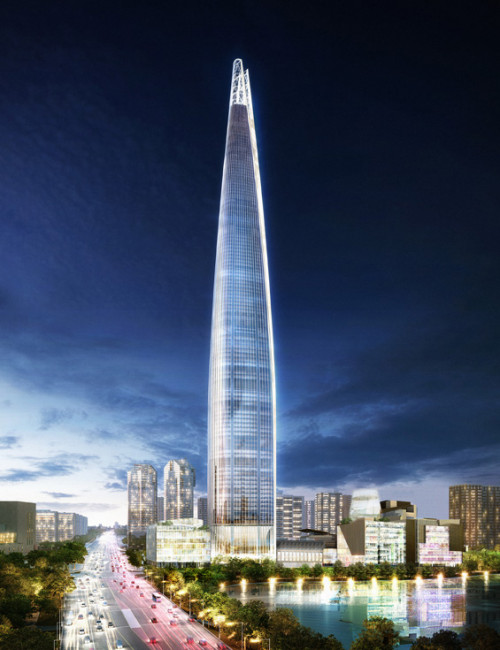
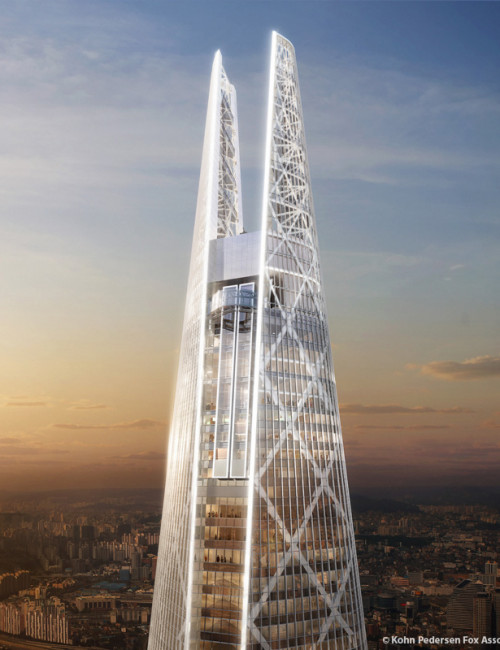
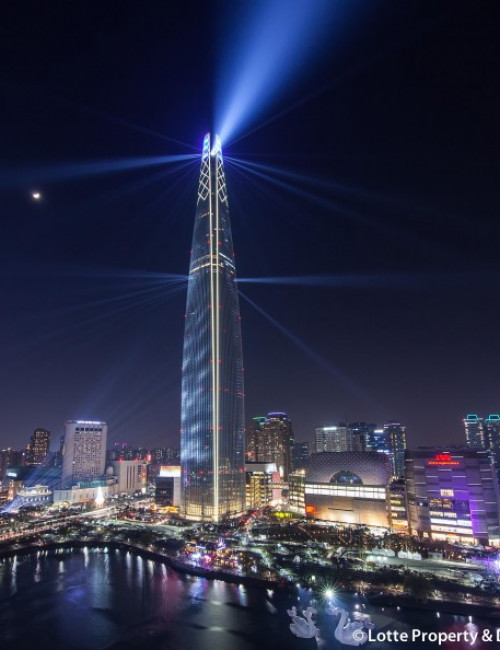
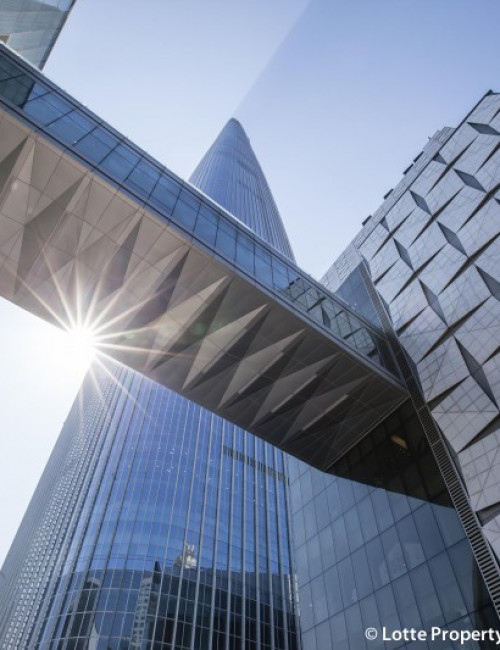
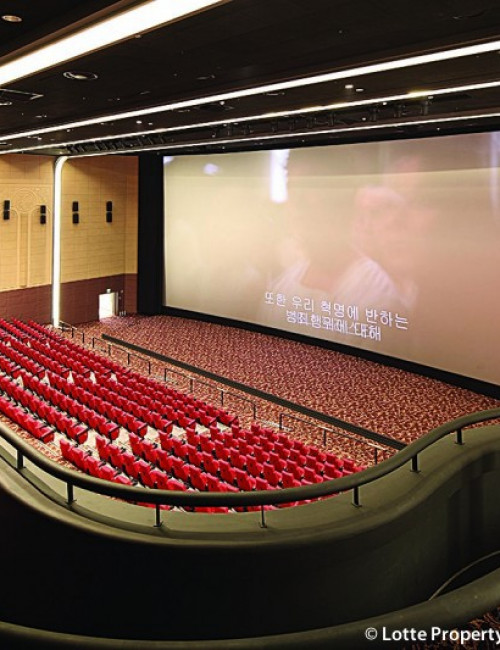
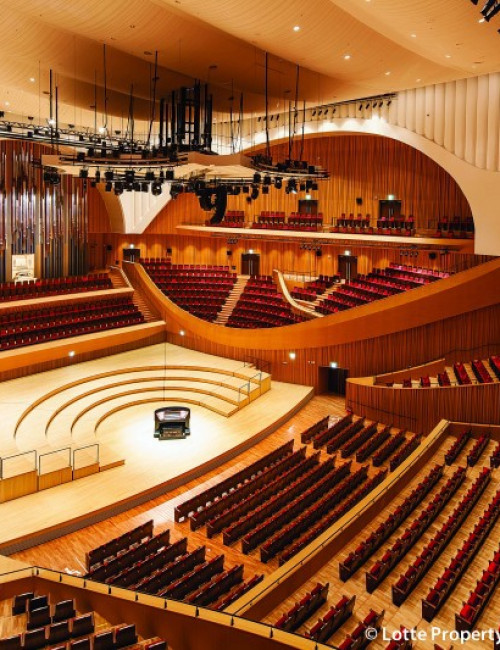
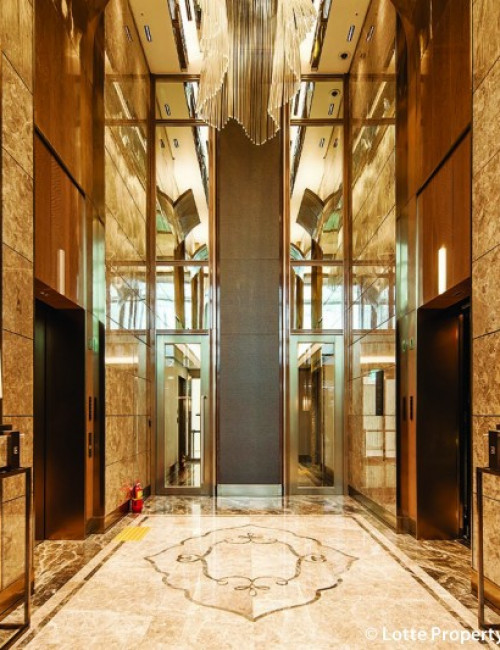
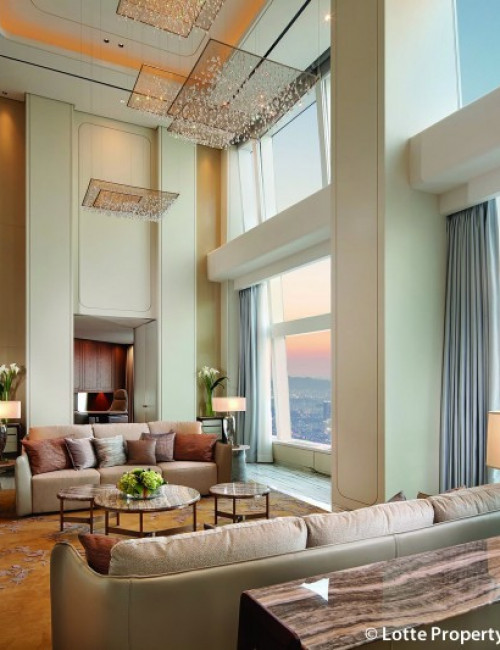
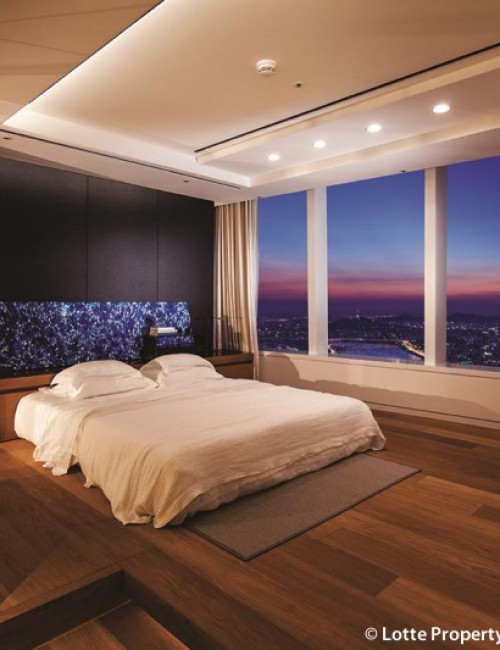
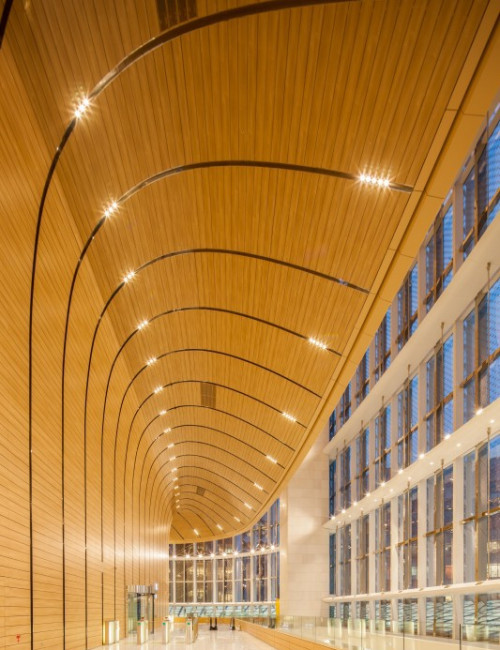
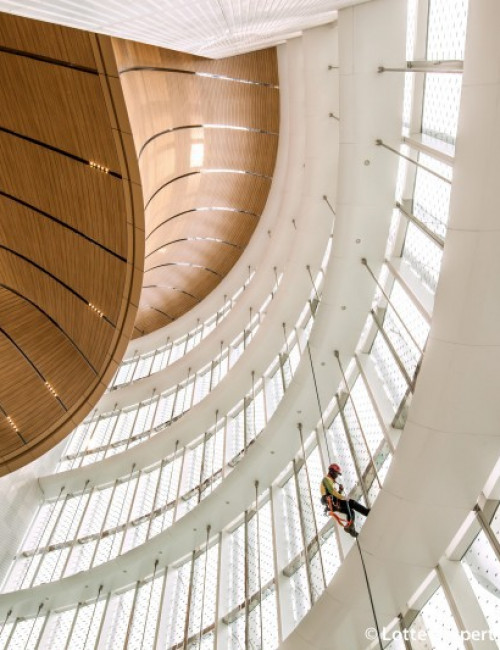
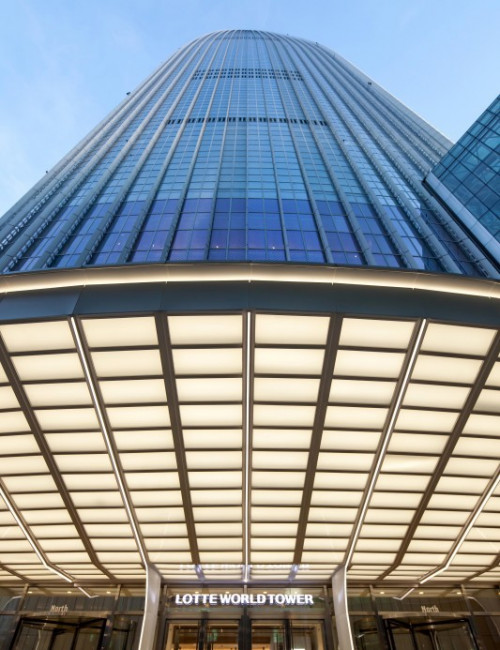
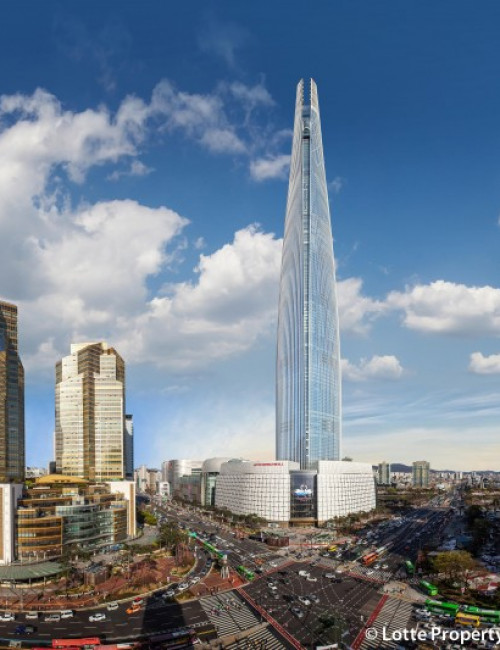
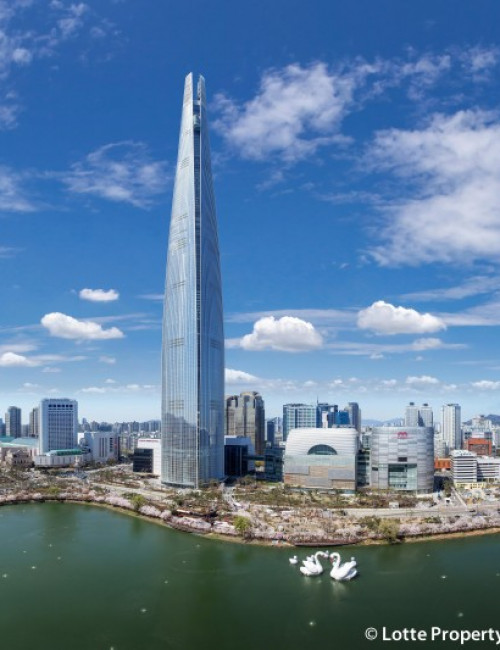
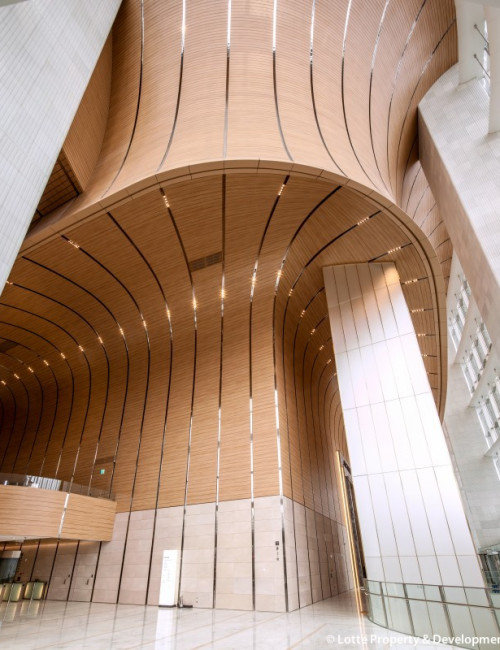
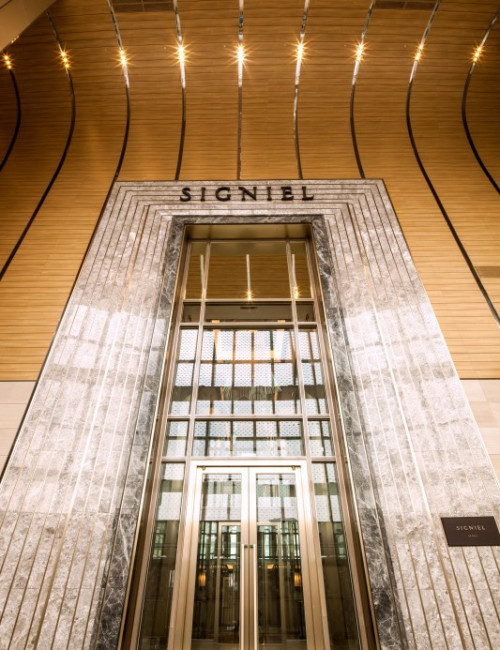
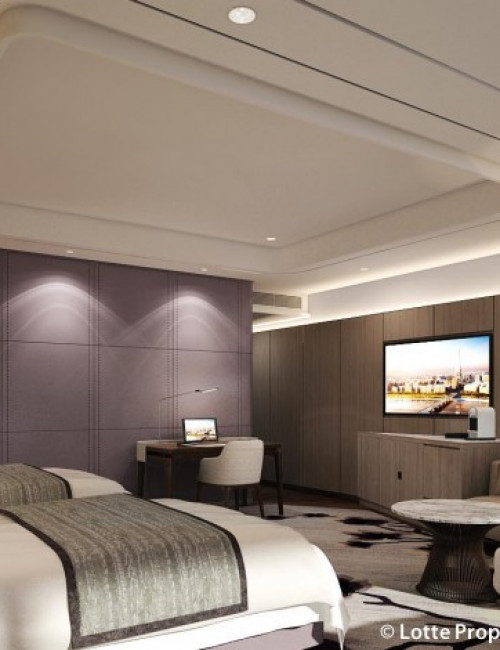
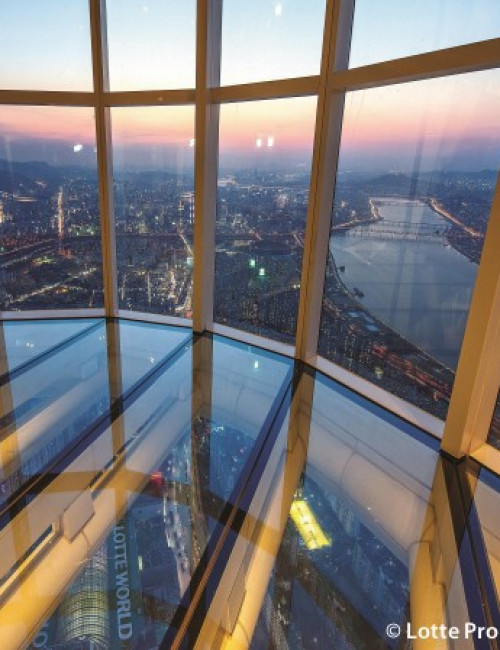
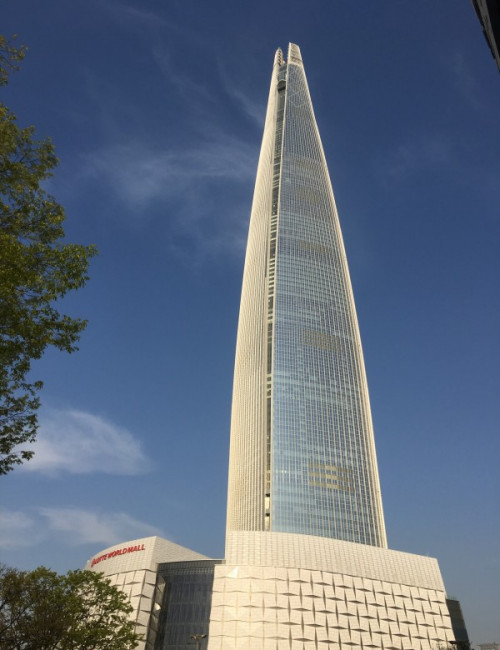
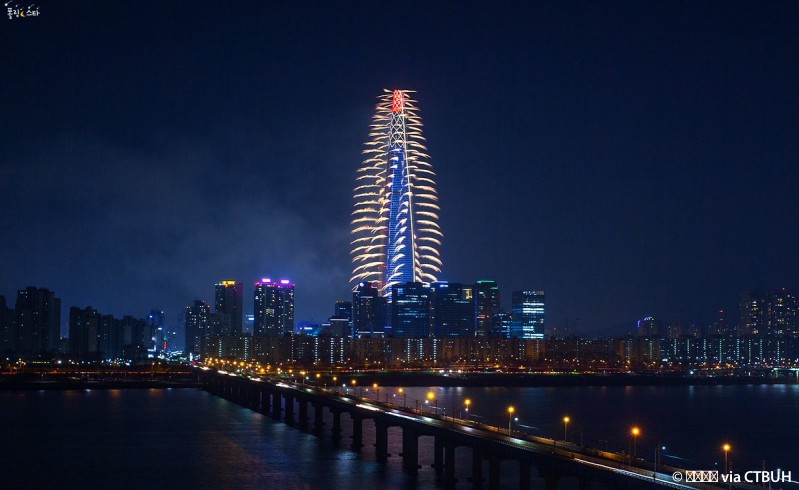
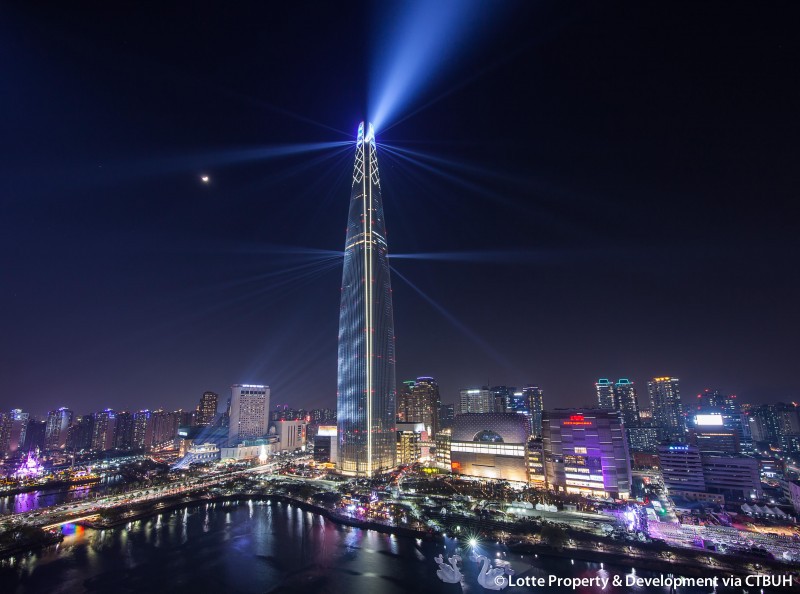
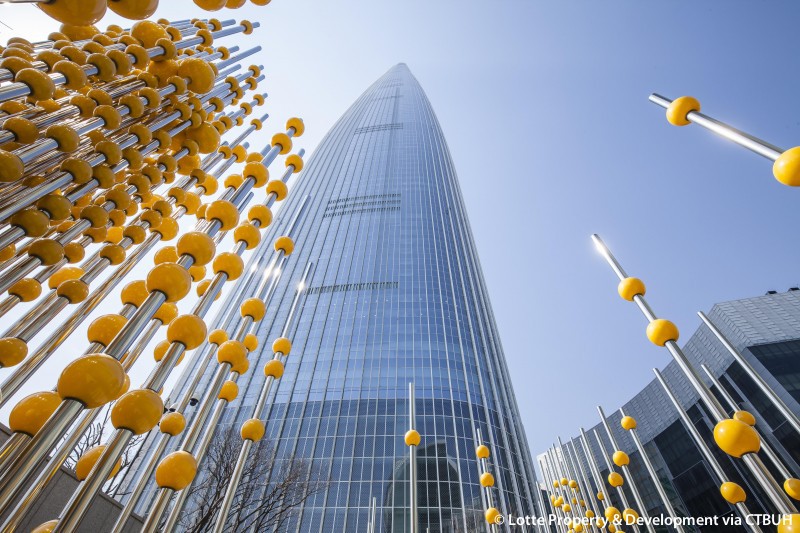
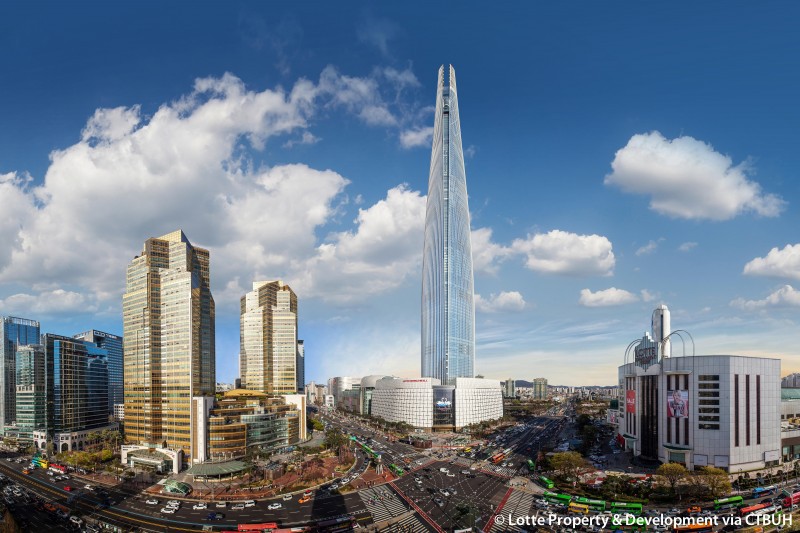
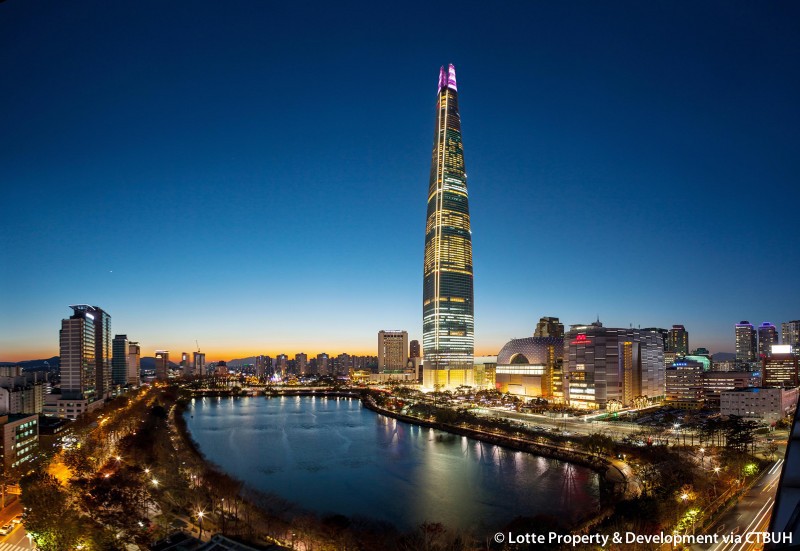
Taking inspiration from traditional Korean art forms in the design of the various interior program spaces, the sleek tapered form of Lotte World Tower will stand out from Seoul’s rocky, mountainous topography. The tower is programmed with a greater variety of functions than is normally found in a tall building. It contains retail components, offices, a 7-star luxury hotel, and an officetel. Officetels, common in South Korean real estate, offer studio-apartment-style accommodations for people who work in the building and often feature certain services found in hotels, such as furnishings, a security desk, and gym access. The building’s top 10 stories are earmarked for extensive public use and entertainment facilities, including an observation deck and rooftop café.
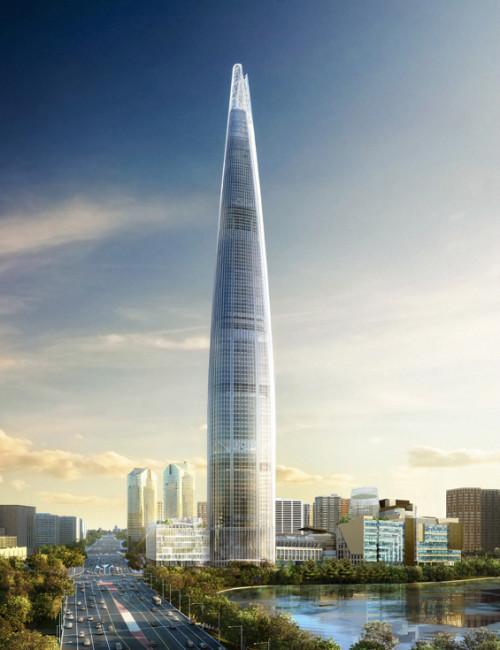
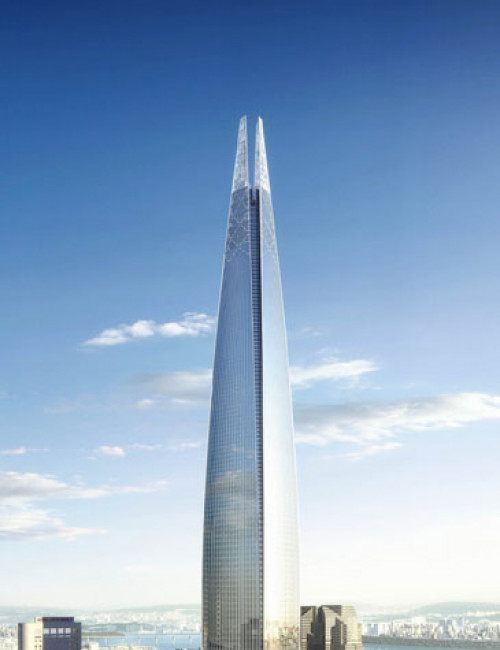
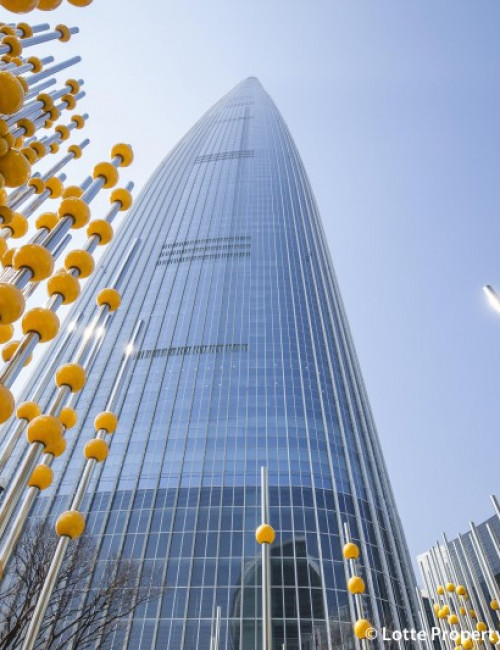
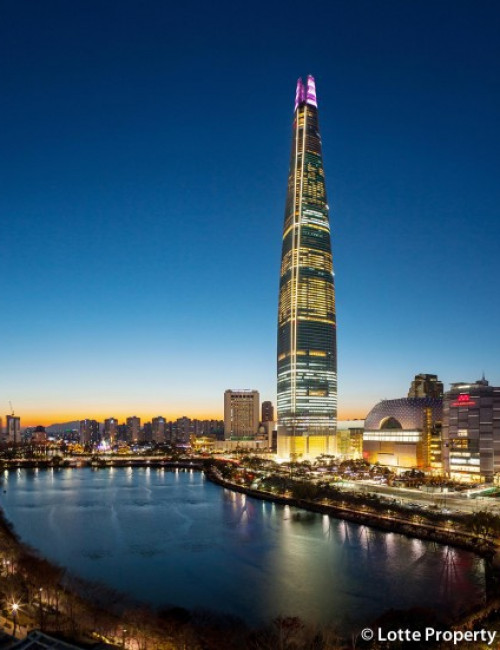
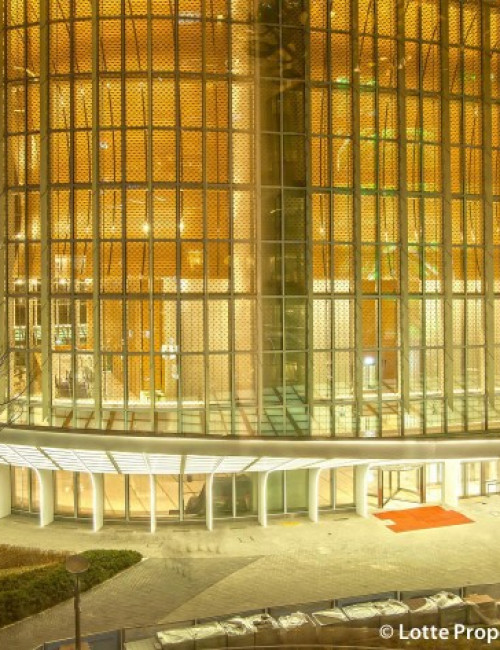
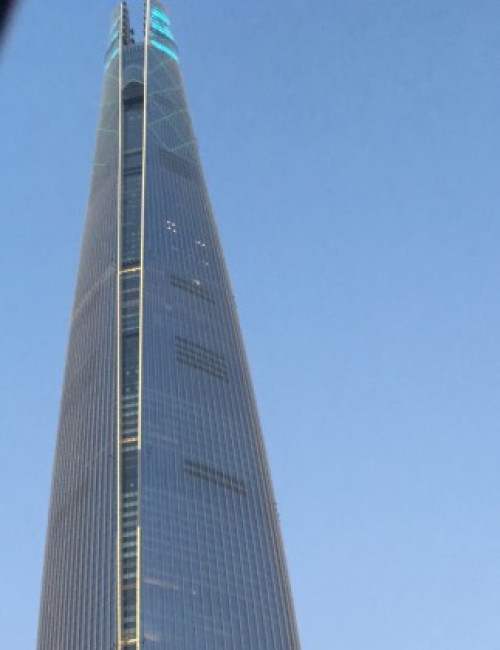
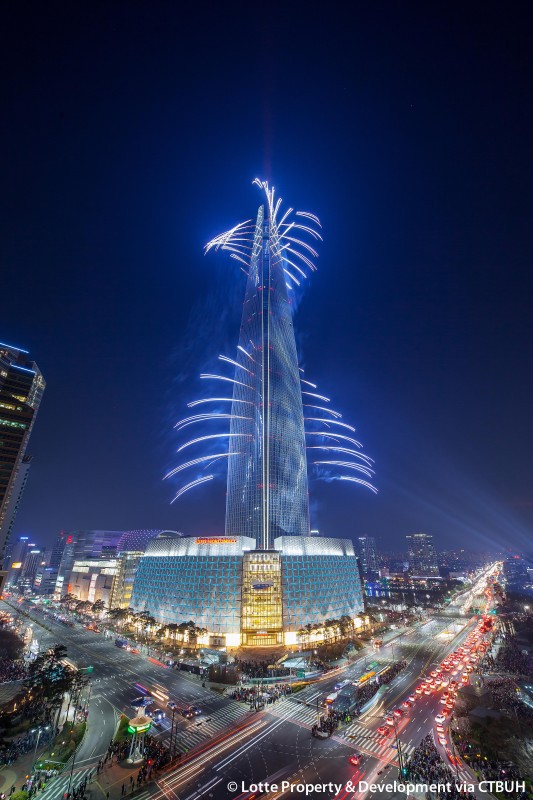
The design of the tower melds a modern aesthetic with forms inspired by Korean ceramics, porcelain, and calligraphy. The seam that runs from top to bottom of the structure gestures toward the old center of the city. Elegance of form was one of the prime objectives, following the desire of stakeholders to bestow a beautiful monument to the capital city skyline. Exterior materials will be light-toned silver glass accented by a filigree of white lacquered metal.
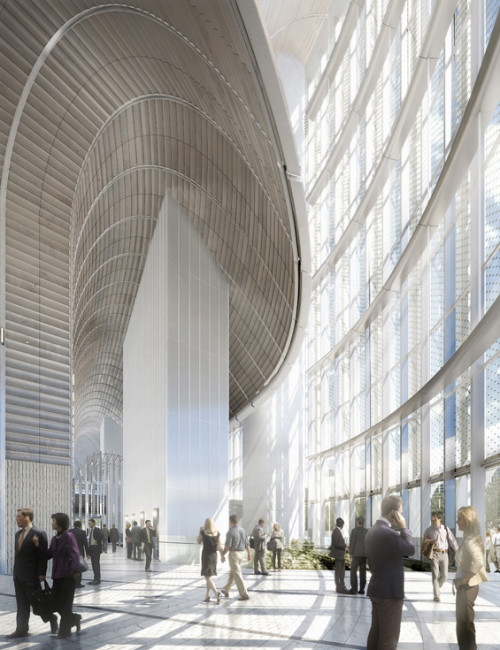
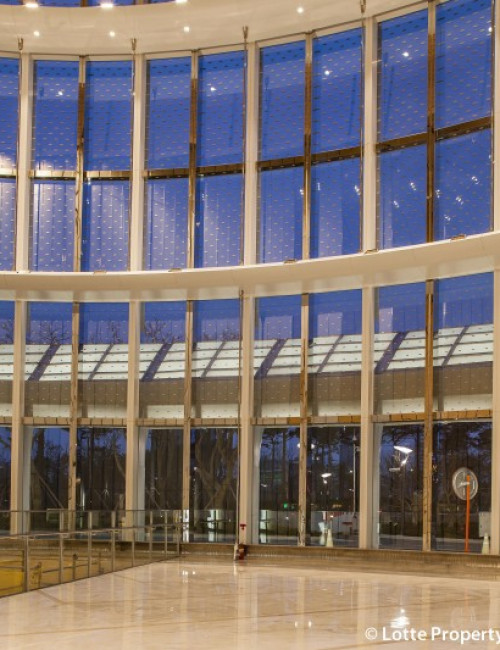
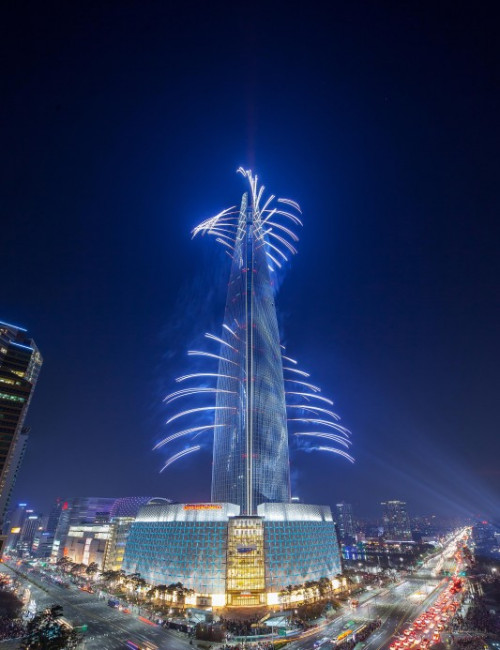
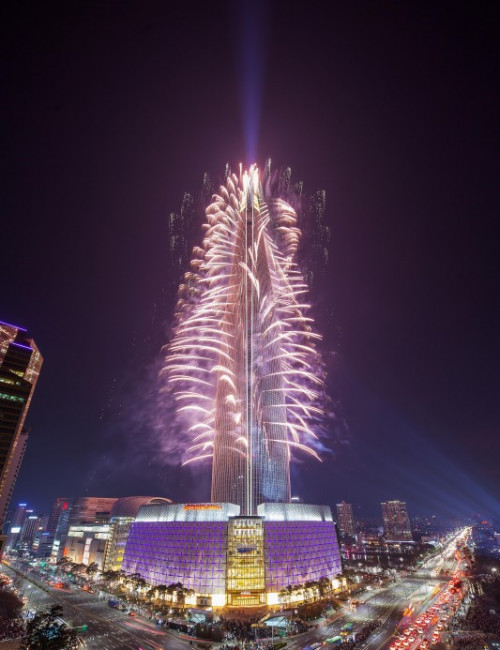
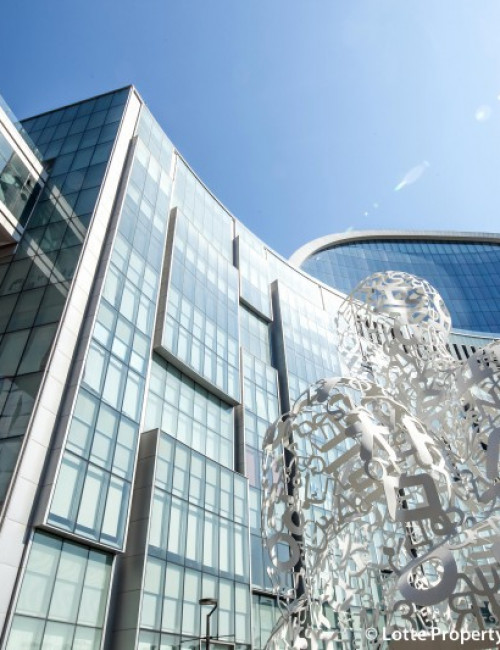
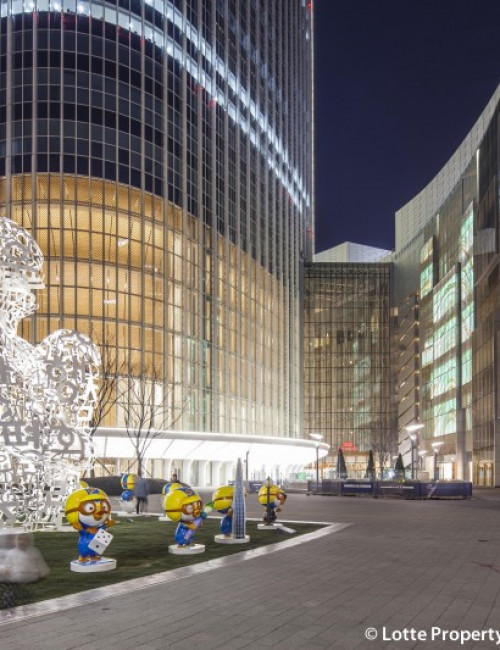
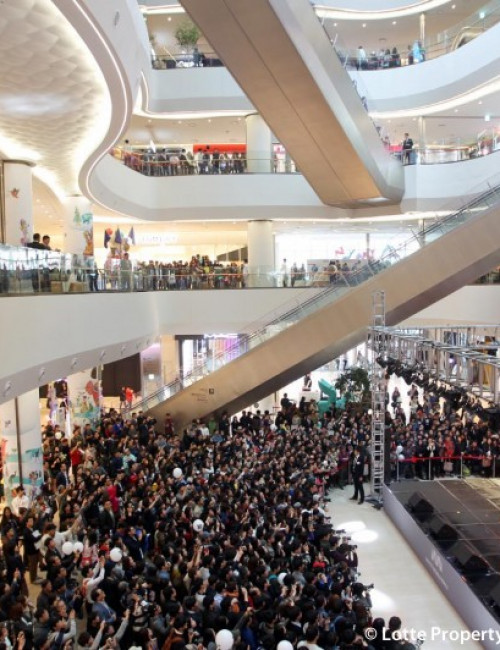
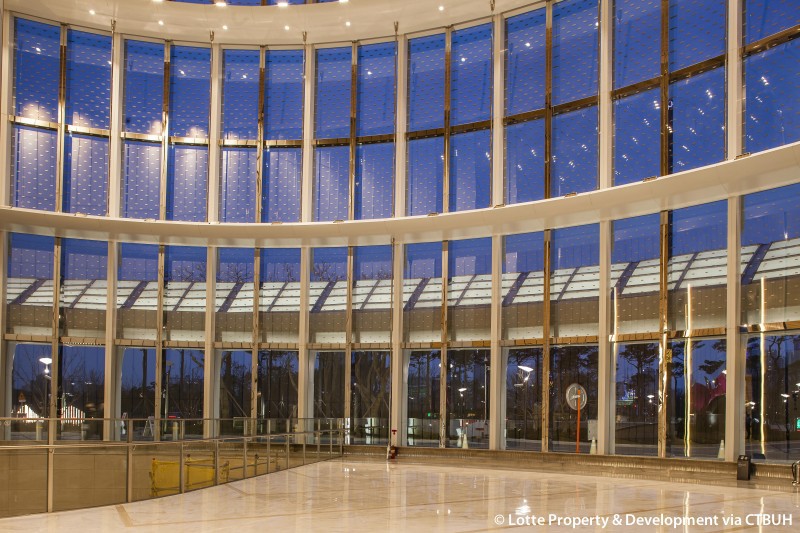
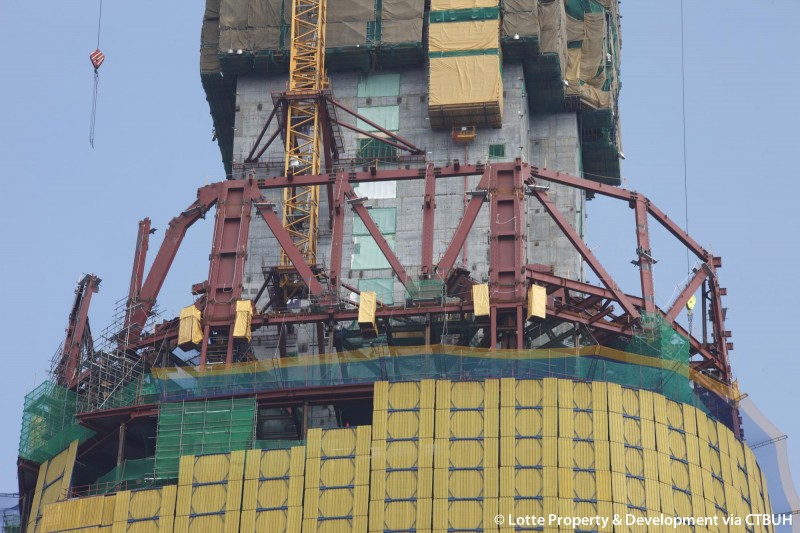
Lotte World Tower has been designed and constructed at the same time as a 10-story base that accommodates as much area as its vertical counterpart. Vertical density is linked to horizontal density, and the range of complementary uses is increased. Connections between the two major building components are made via interior pathways at many levels, but also by active outdoor public space. In fact, one of the most effective measures taken to activate the tower and connect it to adjacent buildings is the outdoor plaza. This space forms an “outdoor room,” compressed enough in its dimensions to encourage visual and pedestrian penetration of its boundary walls.
CVU Awards & Distinctions
Best Tall Building, by Region, Asia & Australasia 2018 Award of Excellence
2018 CVU Awards
Learn more about the Council on Vertical Urbanism
Discover how vertical living is shaping the next generation of urban environments. Explore insights, research, and global leadership in vertical urban development