




Height rank
Palazzo Lombardia
Milan


jessicabutler.jpg)
jessicabutler.jpg)
jessicabutler.jpg)
jessicabutler.jpg)
jessicabutler.jpg)


fernandoguerra.jpg)


mattia_mercanzin.jpg)
- CVU Drawing
- Facts
-
Metrics
You must be a CVU Member to view this resource.
To Tip:
Height is measured from the level of the lowest, significant, open-air, pedestrian entrance to the highest point of the building, irrespective of material or function of the highest element (i.e., including antennae, flagpoles, signage and other functional-technical equipment).Architectural:
Height is measured from the level of the lowest, significant, open-air, pedestrian entrance to the architectural top of the building, including spires, but not including antennae, signage, flag poles or other functional-technical equipment. This measurement is the most widely utilized and is employed to define the Council on Vertical Urbanism (CVU) rankings of the "World's Tallest Buildings."Occupied:
Height is measured from the level of the lowest, significant, open-air, pedestrian entrance to the highest occupied floor within the building.Above Ground
The number of floors above ground should include the ground floor level and be the number of main floors above ground, including any significant mezzanine floors and major mechanical plant floors. Mechanical mezzanines should not be included if they have a significantly smaller floor area than the major floors below. Similarly, mechanical penthouses or plant rooms protruding above the general roof area should not be counted. Note: CVU floor counts may differ from published accounts, as it is common in some regions of the world for certain floor levels not to be included (e.g., the level 4, 14, 24, etc. in Hong Kong).Below Ground
The number of floors below ground should include all major floors located below the ground floor level.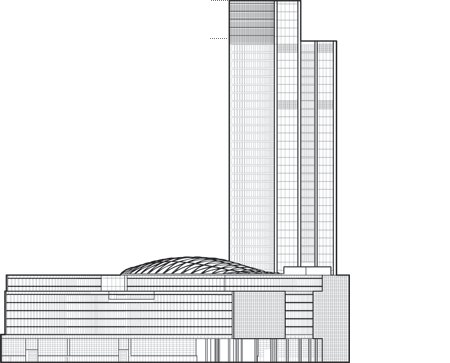
Official Name
Palazzo Lombardia
Other Names
Regione Lombardia Headquarters
Type
Building
Status
Completed
Completion
2011
Country
City
Address
Function
A mixed-use tall building contains two or more functions (or uses), where each of the functions occupy a significant proportion of the tower's total space. Support areas such as car parks and mechanical plant space do not constitute mixed-use functions. Functions are denoted on CVU "Tallest Building" lists in descending order, e.g., "hotel/office" indicates hotel function above office function.
Office
Structural Material
Both the main vertical/lateral structural elements and the floor spanning systems are constructed from steel. Note that a building of steel construction with a floor system of concrete planks or concrete slab on top of steel beams is still considered an “all-steel” structure as the concrete elements are not acting as the primary structure.
All-Concrete
Both the main vertical/lateral structural elements and the floor spanning systems are constructed from concrete which has been cast in place and utilizes steel reinforcement bars and/or steel reinforced concrete which has been precast as individual components and assembled together on-site.
All-Timber
Both the main vertical/lateral structural elements and the floor spanning systems are constructed from timber. An all-timber structure may include the use of localized non-timber connections between timber elements. Note that a building of timber construction with a floor system of concrete planks or concrete slab on top of timber beams is still considered an “all-timber” structure as the concrete elements are not acting as the primary structure.
Mixed-Structure
Utilizes distinct systems (e.g. all-steel, all-concrete, all-timber), one on top of the other. For example, a Steel Over Concrete indicates an all-steel structural system located on top of an all-concrete structural system, with the opposite true of Concrete Over Steel.
Composite
A combination of materials (e.g. steel, concrete, timber) are used together in the main structural elements. Examples include buildings which utilize: steel columns with a floor system of reinforced concrete beams; a steel frame system with a concrete core; concrete-encased steel columns; concrete-filled steel tubes; etc. Where known, the CVU database breaks out the materials used within a composite building’s primary structural elements.
All-Concrete
Height
161.3 m / 529 ft
Floors Above Ground
34
Floors Below Ground
2
# of Parking Spaces
980
# of Elevators
36
Top Elevator Speed
8 m/s
Tower GFA
70,000 m² / 753,474 ft²
Rankings
-
By function
You must be a CVU Member to view this resource.
-
By material
You must be a CVU Member to view this resource.
Construction Schedule
Proposed
Construction Start
Completed
Architect
Usually involved in the front end design, with a "typical" condition being that of a leadership role through either Schematic Design or Design Development, and then a monitoring role through the CD and CA phases.
Structural Engineer
The Design Engineer is usually involved in the front end design, typically taking the leadership role in the Schematic Design and Design Development, and then a monitoring role through the CD and CA phases.
MEP Engineer
The Design Engineer is usually involved in the front end design, typically taking the leadership role in the Schematic Design and Design Development, and then a monitoring role through the CD and CA phases.
Other Consultant
Other Consultant refers to other organizations which provided significant consultation services for a building project (e.g. wind consultants, environmental consultants, fire and life safety consultants, etc).
Other Consultant refers to other organizations which provided significant consultation services for a building project (e.g. wind consultants, environmental consultants, fire and life safety consultants, etc).
These are firms that consult on the design of a building's façade. May often be referred to as "Cladding," "Envelope," "Exterior Wall," or "Curtain Wall" Consultant, however, for consistency CTBUH uses the term "Façade Consultant" exclusively.
Material Supplier
Material Supplier refers to organizations which supplied significant systems/materials for a building project (e.g. elevator suppliers, facade suppliers, etc).
Material Supplier refers to organizations which supplied significant systems/materials for a building project (e.g. elevator suppliers, facade suppliers, etc).
You must be a CVU Member to view this resource.
Owner
Regione Lombardia
Developer
Infrastrutture Lombarde
Architect
Usually involved in the front end design, with a "typical" condition being that of a leadership role through either Schematic Design or Design Development, and then a monitoring role through the CD and CA phases.
Usually takes on the balance of the architectural effort not executed by the "Design Architect," typically responsible for the construction documents, conforming to local codes, etc. May often be referred to as "Executive," "Associate," or "Local" Architect, however, for consistency CTBUH uses the term "Architect of Record" exclusively.
Caputo Partnership; SD Partners
Structural Engineer
The Design Engineer is usually involved in the front end design, typically taking the leadership role in the Schematic Design and Design Development, and then a monitoring role through the CD and CA phases.
MEP Engineer
The Design Engineer is usually involved in the front end design, typically taking the leadership role in the Schematic Design and Design Development, and then a monitoring role through the CD and CA phases.
Project Manager
The CTBUH lists a project manager when a specific firm has been commissioned to oversee this aspect of a tall building’s design/construction. When the project management efforts are handled by the developer, main contract, or architect, this field will be omitted.
The CTBUH lists a project manager when a specific firm has been commissioned to oversee this aspect of a tall building’s design/construction. When the project management efforts are handled by the developer, main contract, or architect, this field will be omitted.
Infrastrutture Lombarde
Contractor
The main contractor is the supervisory contractor of all construction work on a project, management of sub-contractors and vendors, etc. May be referred to as "Construction Manager," however, for consistency CTBUH uses the term "Main Contractor" exclusively.
Consorzio Torre
Other Consultant
Other Consultant refers to other organizations which provided significant consultation services for a building project (e.g. wind consultants, environmental consultants, fire and life safety consultants, etc).
Other Consultant refers to other organizations which provided significant consultation services for a building project (e.g. wind consultants, environmental consultants, fire and life safety consultants, etc).
Sinesis SpA
These are firms that consult on the design of a building's façade. May often be referred to as "Cladding," "Envelope," "Exterior Wall," or "Curtain Wall" Consultant, however, for consistency CTBUH uses the term "Façade Consultant" exclusively.
Serra Francesco
Soil Engineering Srl
Franco Giorgetta Architetto Paesaggista
Corda Gianpiero
Material Supplier
Material Supplier refers to organizations which supplied significant systems/materials for a building project (e.g. elevator suppliers, facade suppliers, etc).
Material Supplier refers to organizations which supplied significant systems/materials for a building project (e.g. elevator suppliers, facade suppliers, etc).
CNS S.p.A; ISA S.p.A
Sematic S.r.l.
AkzoNobel
Sika Services AG
CVU Awards & Distinctions
Best Tall Building, by Region, Europe 2012 Winner
2012 CVU Awards
About Palazzo Lombardia
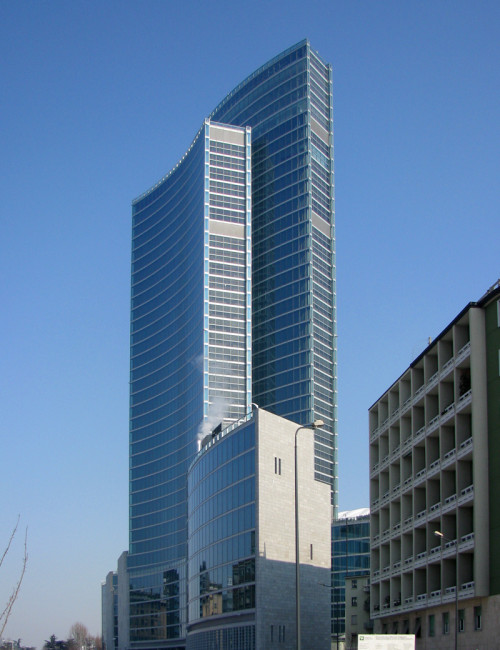
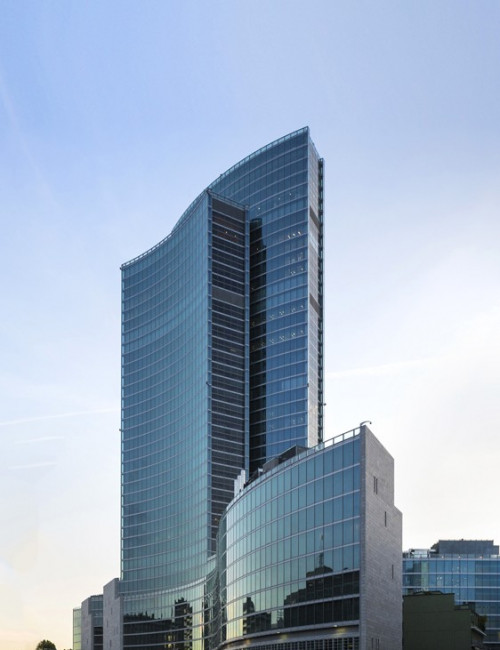
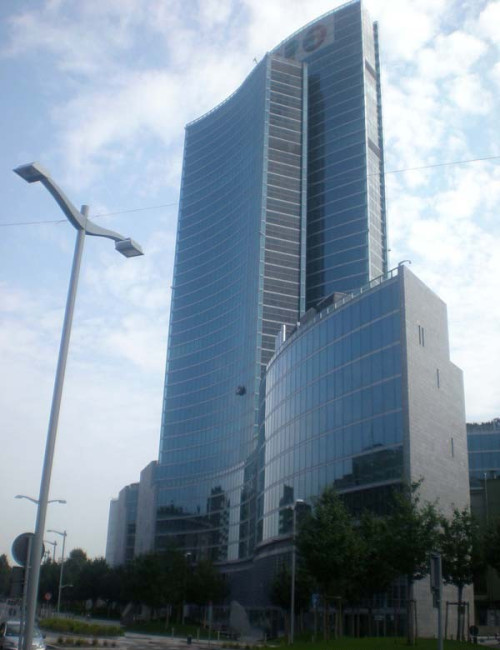
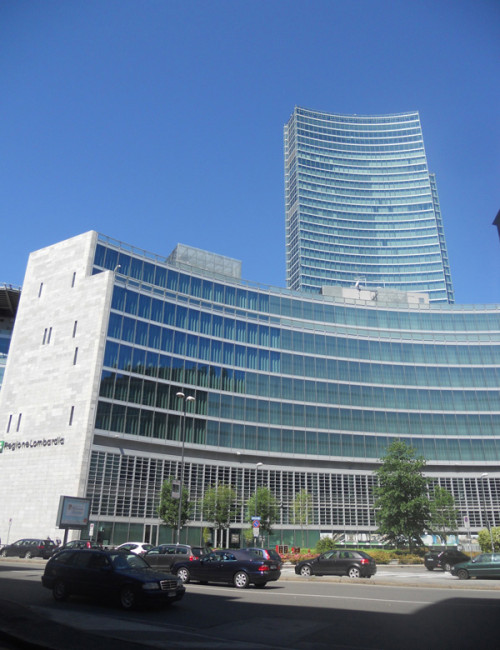
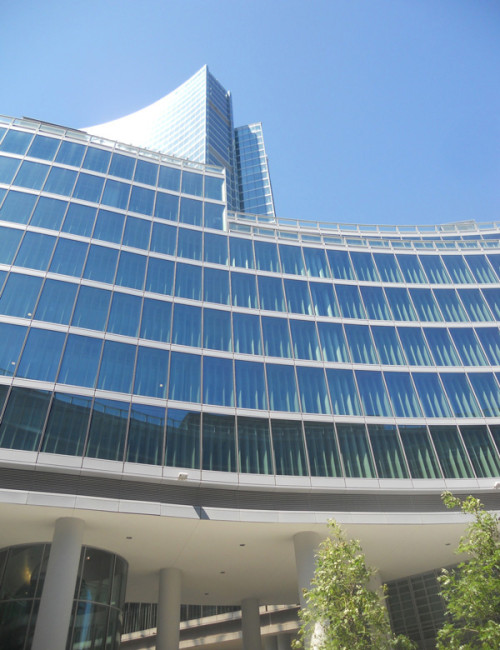
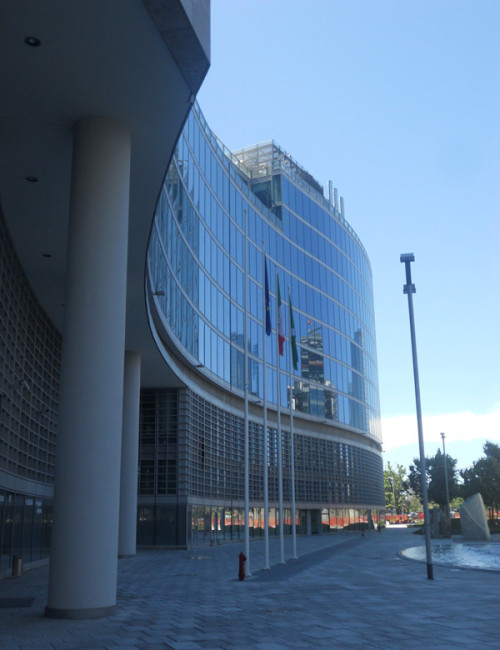
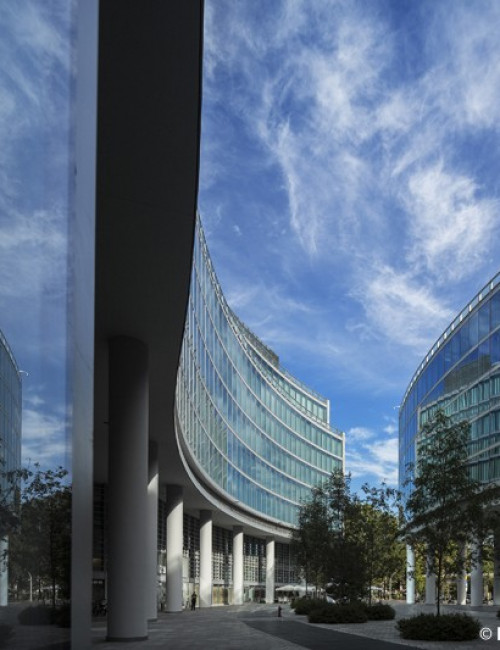
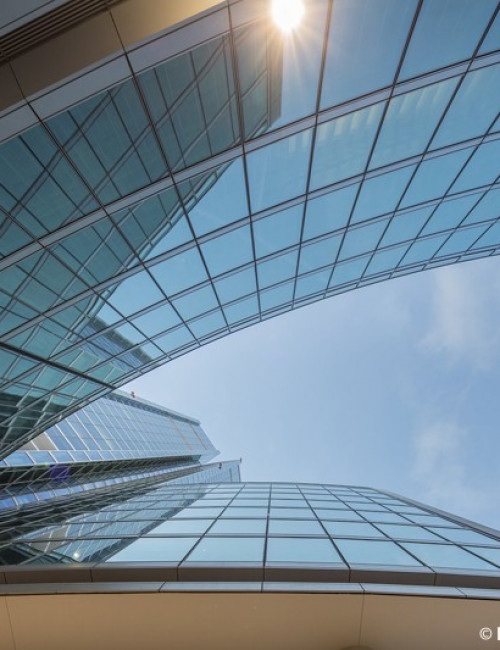
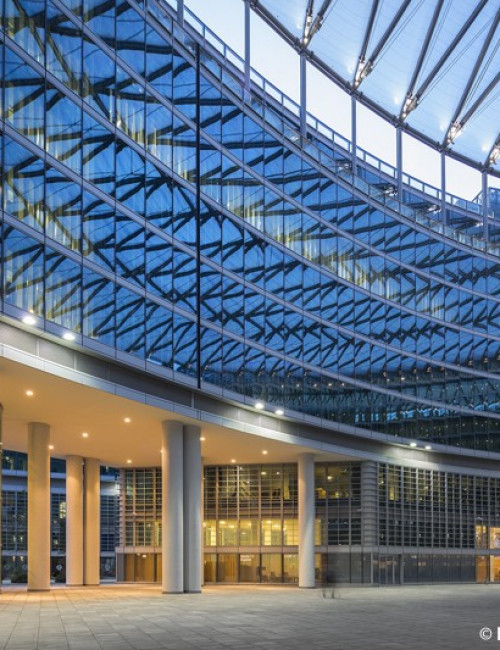
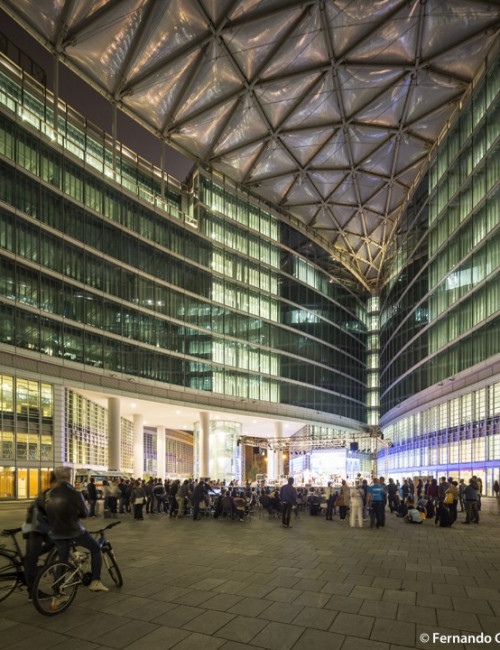
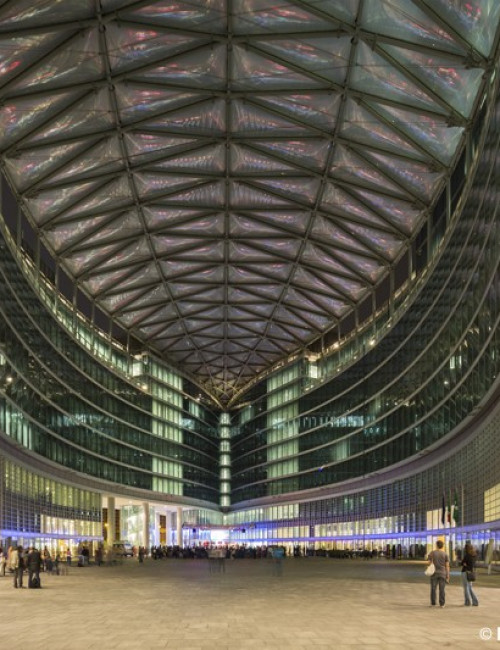
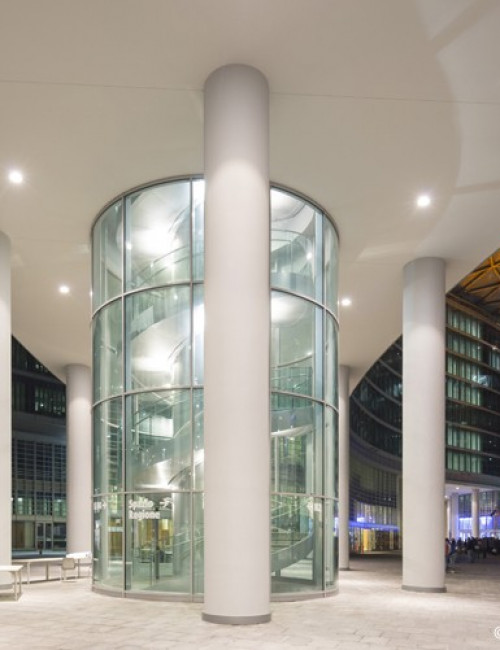
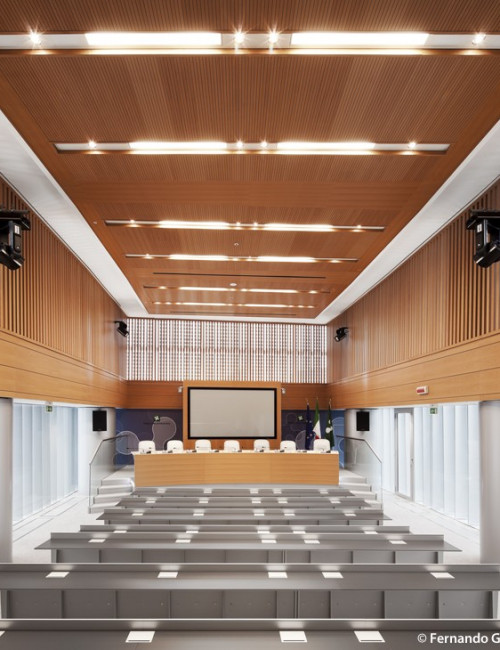
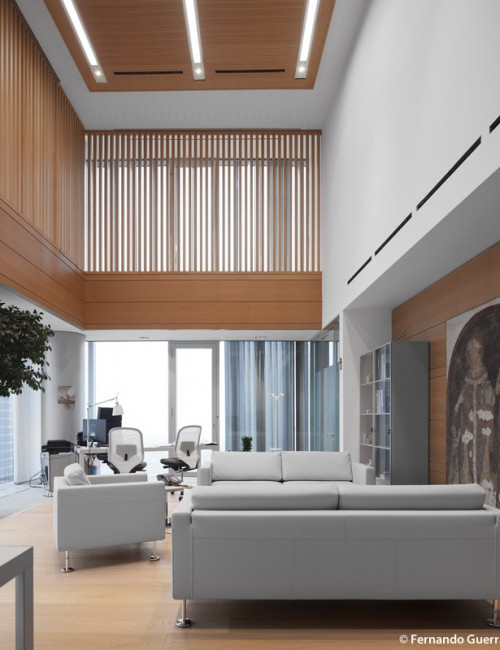
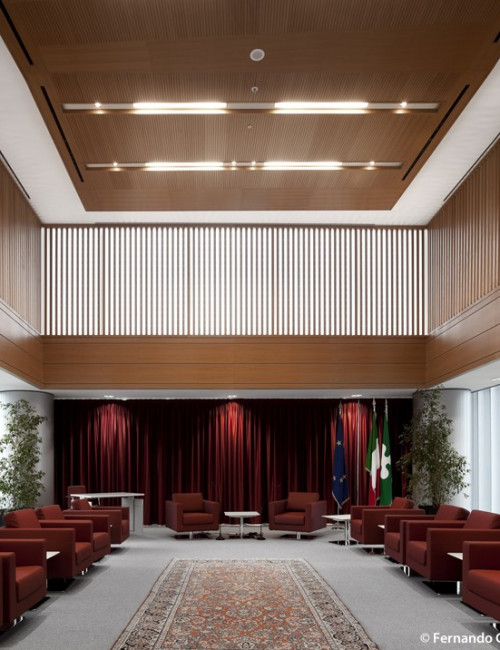
According to Pei Cobb Freed & Partners, Palazzo Lombardia’s distinctive form is composed of sinuous interweaving strands of linear office space, seven to nine stories in height; recalling the mountains, valleys, and rivers of Lombardy. This assemblage of gently curved glass-walled workplaces, readily adaptable to changing functional requirements, allows the building to integrate with its urban context while creating unique landscaped public spaces that are open and inviting to all.
In 2004, the Lombardy Regional Government launched an international competition to design what would be the first government building constructed in Milan in half a millennium. The new building had to not only house administrative and support functions but also fulfill several ancillary goals: create efficient and flexible office space easily accessible to the public; provide outdoor public gathering spaces to connect with cultural amenities and enliven the neighborhood; and incorporate sustainable building practices as a modern precedent for new development in Milan.
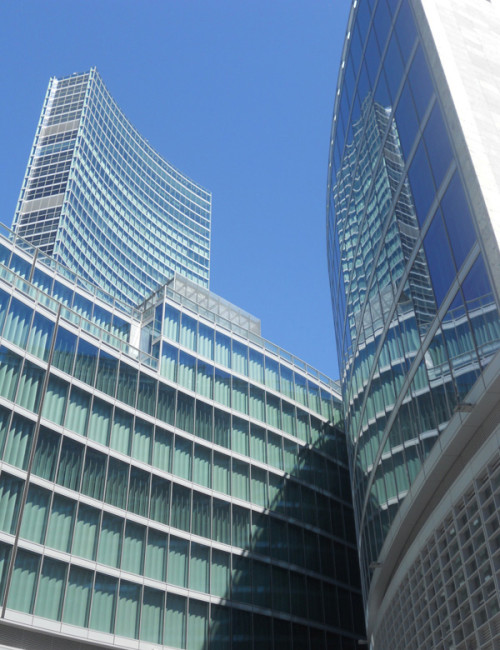
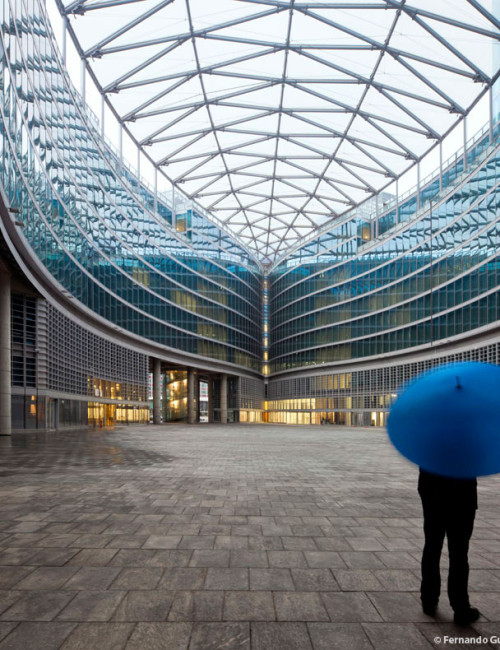
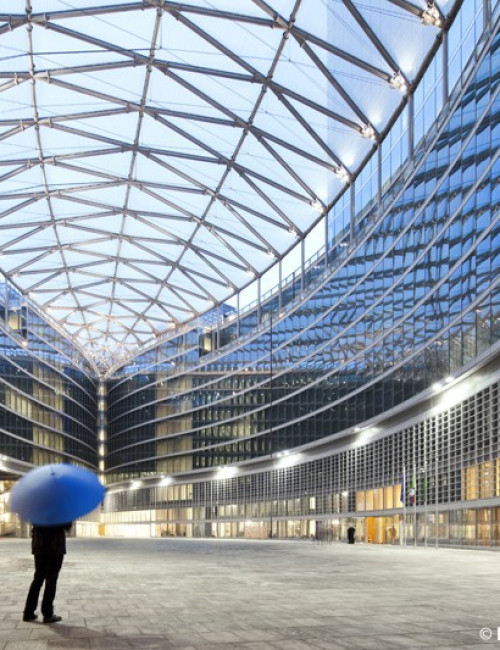
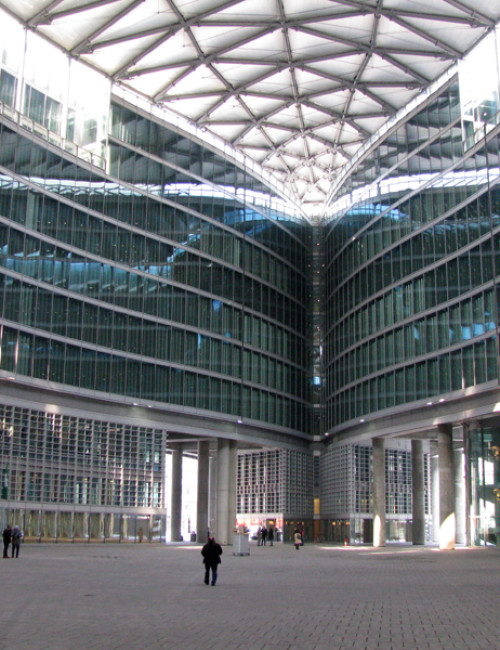
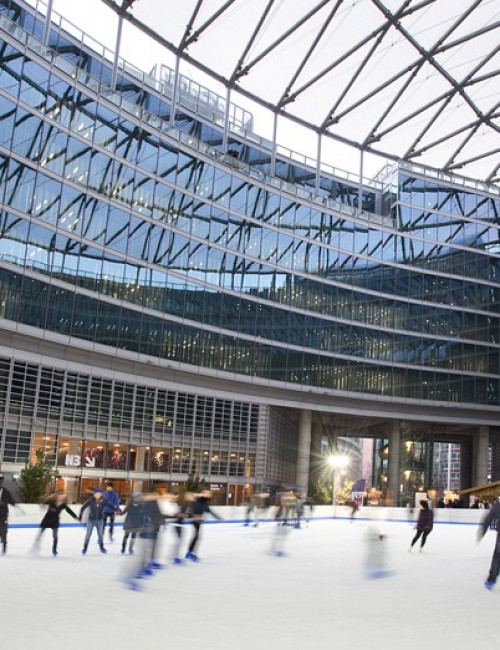
The curving, glazed forms of the new building podium integrate effortlessly with the existing buildings and spaces surrounding it. The 14-meter width of these strands of flexible office space allows for maximum daylight penetration, and alternately allows the formation of leaf-shaped voids between them. At the core of the complex in one such void is a large, open-air plaza, the Piazza Città di Lombardia, which is covered with a transparent ETFE canopy (a lightweight plastic alternative to glass) and is completely open to the public. This expansive space, whose curved roof recalls Milan’s Galleria, connects directly to two adjacent outdoor green spaces. At ground level, the podium strands are occupied by shops, restaurants, cafés, and cultural facilities to further draw users in and promote a sense of community within the complex.
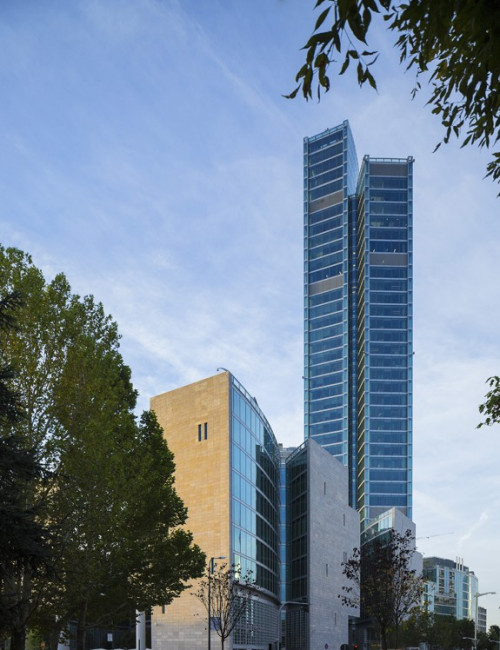
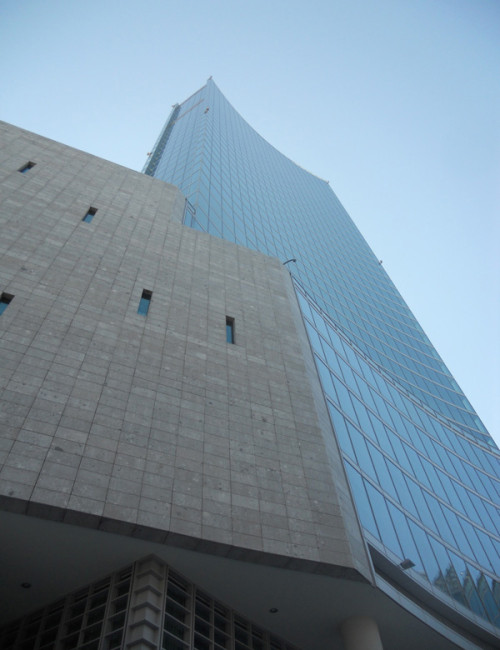
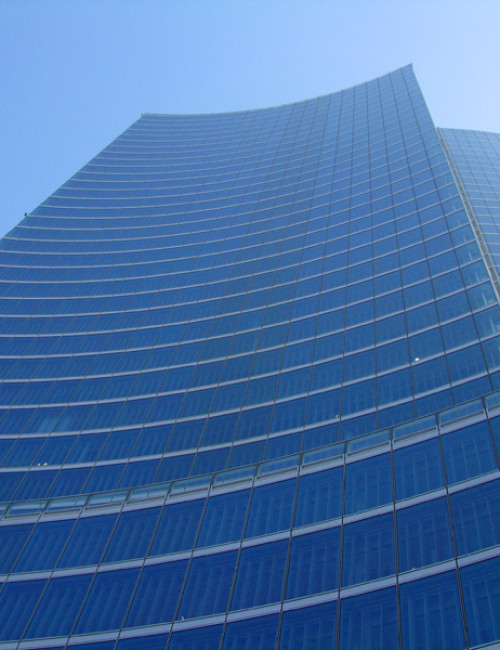
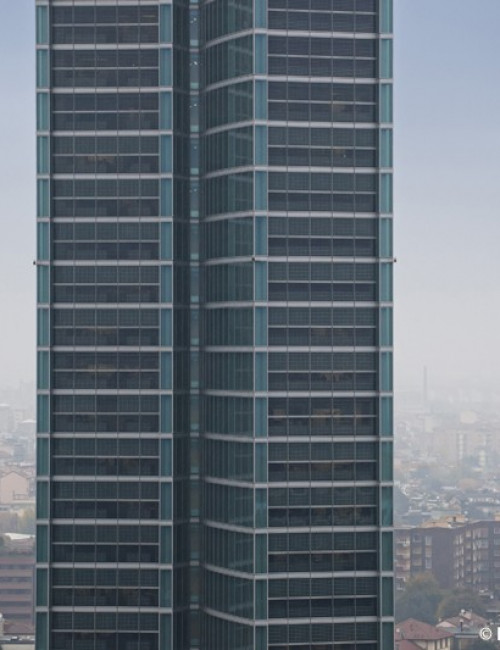
Owing to their modest scale, the interweaving strands relate well to adjoining residential neighborhoods while still allowing a slender tower, shaped by the intersection of two curved fragments, to celebrate the new seat of government on the skyline of Milan. Reaching 161 meters, the tower contributes an emblematic presence on the skyline complementary to the neighboring Pirelli Tower (1958), which had been the tallest building in Milan until the completion of the Palazzo.
Whereas the form of Gio Ponti’s great work is closed, singular, and convex, the Palazzo Lombardia tower engages it in conversation with a form that is open, dual, and concave. While the former meets the ground as a solid shaft, the latter virtually dissolves into curving strands of building and the plazas they enclose. The lively formal dialogue between the two structures both evokes and enriches their intimate functional relationship: the Pirelli Tower houses the existing headquarters of the Lombardy Regional Government and will continue to serve as its institutional base, while Palazzo Lombardia will serve as its administrative seat.
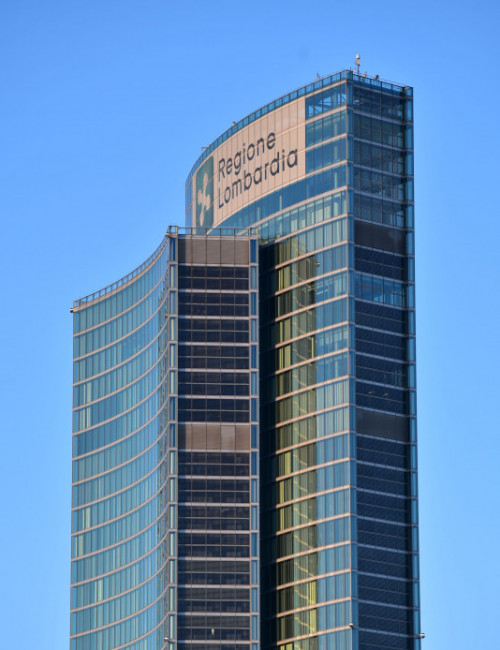
At the top of the new tower, a roofed belvedere is adjoined by an open terrace at the level below. This amenity has an important symbolic meaning: just as the piazza at ground level, created for the benefit of the citizens of the Lombardy Region, provides the setting for the Regional Government’s offices, so the public space above places the people whom the complex serves at its peak.
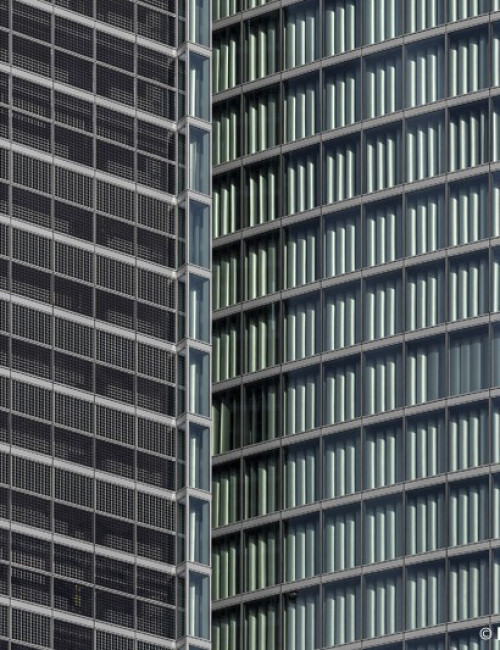
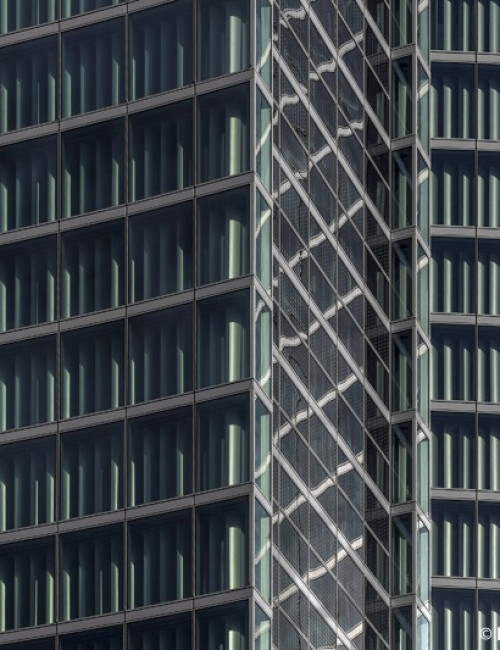
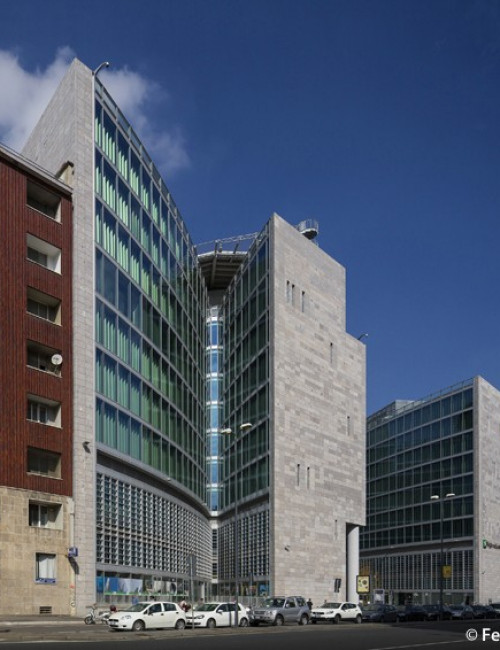
The façade is composed of two complementary systems. Local stone, applied to the end walls facing the streets, links the complex to the historic urban fabric of Milan, while the curvilinear glass curtain wall symbolizes the transparency of the institution housed within.
Palazzo Lombardia makes use of several sustainable strategies. One of the main features of the building is the integration of an active climate wall assembly. The one-meter-deep wall at the perimeter of the building creates a thermal buffer zone to minimize heating and cooling loads. Return air is pulled through the cavity of the wall to temper the climate zone and further improve its performance. Within the wall are vertical louvers of perforated aluminum that automatically rotate in response to sun angles. This system minimizes direct solar gain while promoting daylighting to reduce artificial lighting needs. The perforation of the louvers ensures the entry of daylight at all times, regardless of the configuration.
The heating and cooling energy supplied to the building is through a geothermal heat pump system connected to an underground river. Also contributing to the energy supply are photovoltaic panels laminated into the south façade of the tower. The integration of the building’s environmental systems in tandem with passive systems and its architectural expression creates an efficient yet elegant high-rise building.
CVU Awards & Distinctions
Best Tall Building, by Region, Europe 2012 Winner
2012 CVU Awards
Learn more about the Council on Vertical Urbanism
Discover how vertical living is shaping the next generation of urban environments. Explore insights, research, and global leadership in vertical urban development