




Height rank
The Shard
London


terrimeyerboake.jpg)

philoldfield.jpg)
terrimeyerboake.jpg)





terrimeyerboake.jpg)

philoldfield.jpg)



sellar__property__group.jpg)
terrimeyerboake.jpg)
terrimeyerboake.jpg)
terrimeyerboake.jpg)
terrimeyerboake.jpg)
terrimeyerboake.jpg)
pattithurmond.jpg)
philoldfield.jpg)
philoldfield.jpg)
pattithurmond.jpg)
rpbw.jpg)
gilesreid-rpbw.jpg)
gilesreid-rpbw.jpg)
sellarpropertygroup.jpg)
sellarpropertygroup.jpg)
rpbw.jpg)
rpbw.jpg)

rpbw.jpg)
sellarpropertygroup.jpg)




terrimeyerboake.jpg)
terrimeyerboake-0.jpg)
philoldfield.jpg)
philoldfield.jpg)

- CVU Drawing
- Facts
-
Metrics
You must be a CVU Member to view this resource.
To Tip:
Height is measured from the level of the lowest, significant, open-air, pedestrian entrance to the highest point of the building, irrespective of material or function of the highest element (i.e., including antennae, flagpoles, signage and other functional-technical equipment).Architectural:
Height is measured from the level of the lowest, significant, open-air, pedestrian entrance to the architectural top of the building, including spires, but not including antennae, signage, flag poles or other functional-technical equipment. This measurement is the most widely utilized and is employed to define the Council on Vertical Urbanism (CVU) rankings of the "World's Tallest Buildings."Occupied:
Height is measured from the level of the lowest, significant, open-air, pedestrian entrance to the highest occupied floor within the building.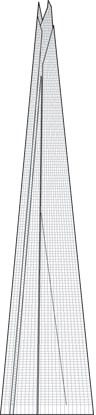
Above Ground
The number of floors above ground should include the ground floor level and be the number of main floors above ground, including any significant mezzanine floors and major mechanical plant floors. Mechanical mezzanines should not be included if they have a significantly smaller floor area than the major floors below. Similarly, mechanical penthouses or plant rooms protruding above the general roof area should not be counted. Note: CVU floor counts may differ from published accounts, as it is common in some regions of the world for certain floor levels not to be included (e.g., the level 4, 14, 24, etc. in Hong Kong).Below Ground
The number of floors below ground should include all major floors located below the ground floor level.Official Name
The Shard
Other Names
The Shard of Glass, London Bridge Tower, The Shard at London Bridge
Type
Building
Status
Completed
Completion
2013
Country
City
Address
Function
A mixed-use tall building contains two or more functions (or uses), where each of the functions occupy a significant proportion of the tower's total space. Support areas such as car parks and mechanical plant space do not constitute mixed-use functions. Functions are denoted on CVU "Tallest Building" lists in descending order, e.g., "hotel/office" indicates hotel function above office function.
Residential / Hotel / Office
Structural Material
Both the main vertical/lateral structural elements and the floor spanning systems are constructed from steel. Note that a building of steel construction with a floor system of concrete planks or concrete slab on top of steel beams is still considered an “all-steel” structure as the concrete elements are not acting as the primary structure.
All-Concrete
Both the main vertical/lateral structural elements and the floor spanning systems are constructed from concrete which has been cast in place and utilizes steel reinforcement bars and/or steel reinforced concrete which has been precast as individual components and assembled together on-site.
All-Timber
Both the main vertical/lateral structural elements and the floor spanning systems are constructed from timber. An all-timber structure may include the use of localized non-timber connections between timber elements. Note that a building of timber construction with a floor system of concrete planks or concrete slab on top of timber beams is still considered an “all-timber” structure as the concrete elements are not acting as the primary structure.
Mixed-Structure
Utilizes distinct systems (e.g. all-steel, all-concrete, all-timber), one on top of the other. For example, a Steel Over Concrete indicates an all-steel structural system located on top of an all-concrete structural system, with the opposite true of Concrete Over Steel.
Composite
A combination of materials (e.g. steel, concrete, timber) are used together in the main structural elements. Examples include buildings which utilize: steel columns with a floor system of reinforced concrete beams; a steel frame system with a concrete core; concrete-encased steel columns; concrete-filled steel tubes; etc. Where known, the CVU database breaks out the materials used within a composite building’s primary structural elements.
Concrete-Steel Composite
Official Website
Height
306 m / 1,004 ft
Floors Above Ground
73
Floors Below Ground
3
# of Apartments
10
# of Hotel Rooms
202
# of Elevators
44
Top Elevator Speed
6 m/s
Tower GFA
127,489 m² / 1,372,280 ft²
Rankings
-
By function
You must be a CVU Member to view this resource.
-
By material
You must be a CVU Member to view this resource.
Construction Schedule
Proposed
Construction Start
Completed
Structural Engineer
The Design Engineer is usually involved in the front end design, typically taking the leadership role in the Schematic Design and Design Development, and then a monitoring role through the CD and CA phases.
The Engineer of Record takes the balance of the engineering effort not executed by the “Design Engineer,” typically responsible for construction documents, conforming to local codes, etc.
MEP Engineer
The Design Engineer is usually involved in the front end design, typically taking the leadership role in the Schematic Design and Design Development, and then a monitoring role through the CD and CA phases.
Other Consultant
Other Consultant refers to other organizations which provided significant consultation services for a building project (e.g. wind consultants, environmental consultants, fire and life safety consultants, etc).
Other Consultant refers to other organizations which provided significant consultation services for a building project (e.g. wind consultants, environmental consultants, fire and life safety consultants, etc).
These are firms that consult on the design of a building's façade. May often be referred to as "Cladding," "Envelope," "Exterior Wall," or "Curtain Wall" Consultant, however, for consistency CTBUH uses the term "Façade Consultant" exclusively.
Material Supplier
Material Supplier refers to organizations which supplied significant systems/materials for a building project (e.g. elevator suppliers, facade suppliers, etc).
Material Supplier refers to organizations which supplied significant systems/materials for a building project (e.g. elevator suppliers, facade suppliers, etc).
You must be a CVU Member to view this resource.
Owner
London Bridge Quarter Ltd
Developer
Sellar Property Group
Architect
Usually involved in the front end design, with a "typical" condition being that of a leadership role through either Schematic Design or Design Development, and then a monitoring role through the CD and CA phases.
Renzo Piano Building Workshop
Usually takes on the balance of the architectural effort not executed by the "Design Architect," typically responsible for the construction documents, conforming to local codes, etc. May often be referred to as "Executive," "Associate," or "Local" Architect, however, for consistency CTBUH uses the term "Architect of Record" exclusively.
Adamson Associates
Structural Engineer
The Design Engineer is usually involved in the front end design, typically taking the leadership role in the Schematic Design and Design Development, and then a monitoring role through the CD and CA phases.
The Engineer of Record takes the balance of the engineering effort not executed by the “Design Engineer,” typically responsible for construction documents, conforming to local codes, etc.
MEP Engineer
The Design Engineer is usually involved in the front end design, typically taking the leadership role in the Schematic Design and Design Development, and then a monitoring role through the CD and CA phases.
Project Manager
The CTBUH lists a project manager when a specific firm has been commissioned to oversee this aspect of a tall building’s design/construction. When the project management efforts are handled by the developer, main contract, or architect, this field will be omitted.
The CTBUH lists a project manager when a specific firm has been commissioned to oversee this aspect of a tall building’s design/construction. When the project management efforts are handled by the developer, main contract, or architect, this field will be omitted.
Turner & Townsend
Contractor
The main contractor is the supervisory contractor of all construction work on a project, management of sub-contractors and vendors, etc. May be referred to as "Construction Manager," however, for consistency CTBUH uses the term "Main Contractor" exclusively.
Mace Limited
Other Consultant
Other Consultant refers to other organizations which provided significant consultation services for a building project (e.g. wind consultants, environmental consultants, fire and life safety consultants, etc).
Other Consultant refers to other organizations which provided significant consultation services for a building project (e.g. wind consultants, environmental consultants, fire and life safety consultants, etc).
alinea Consulting; AECOM
These are firms that consult on the design of a building's façade. May often be referred to as "Cladding," "Envelope," "Exterior Wall," or "Curtain Wall" Consultant, however, for consistency CTBUH uses the term "Façade Consultant" exclusively.
Connell Mott MacDonald; Permasteelisa Group
REEF Associates Ltd
Fugro; WSP Group
State of Craft
Wordsearch
Bovis Lend Lease
Real Estate Management Limited
Kroll Inc
Material Supplier
Material Supplier refers to organizations which supplied significant systems/materials for a building project (e.g. elevator suppliers, facade suppliers, etc).
Material Supplier refers to organizations which supplied significant systems/materials for a building project (e.g. elevator suppliers, facade suppliers, etc).
Byrne Group PLC
AkzoNobel
Sika Services AG; Dow Corning Corporation
Severfield
CVU Awards & Distinctions
Best Tall Building, by Region, Europe 2013 Winner
2013 CVU Awards
Global News

30 July 2020
CTBUH In The Media: The Future of Skyscrapers: A Mile High, Slimmer Than Ever and Made from Wood
History does not want for dizzying fantasies of tall buildings. From the Tower of Babel onwards, humanity has dreamed of ever-more wondrous skyscrapers, whether we...
About The Shard
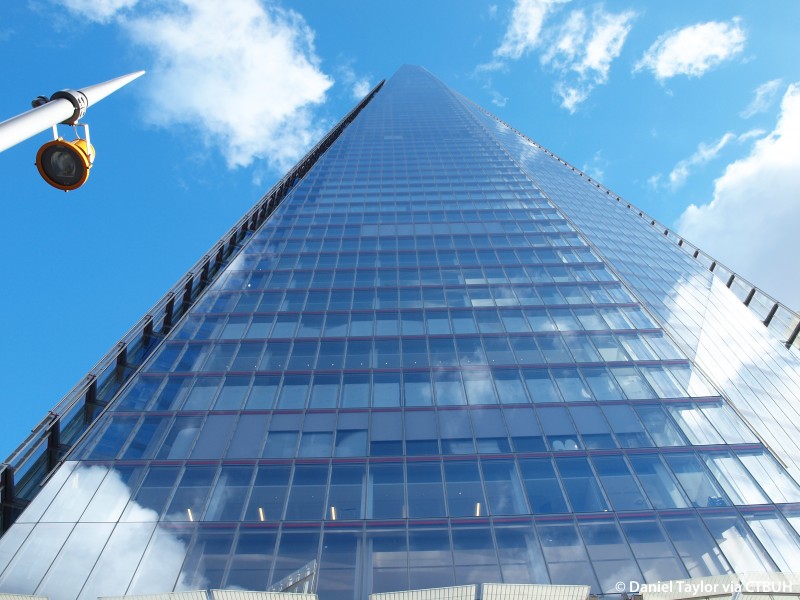
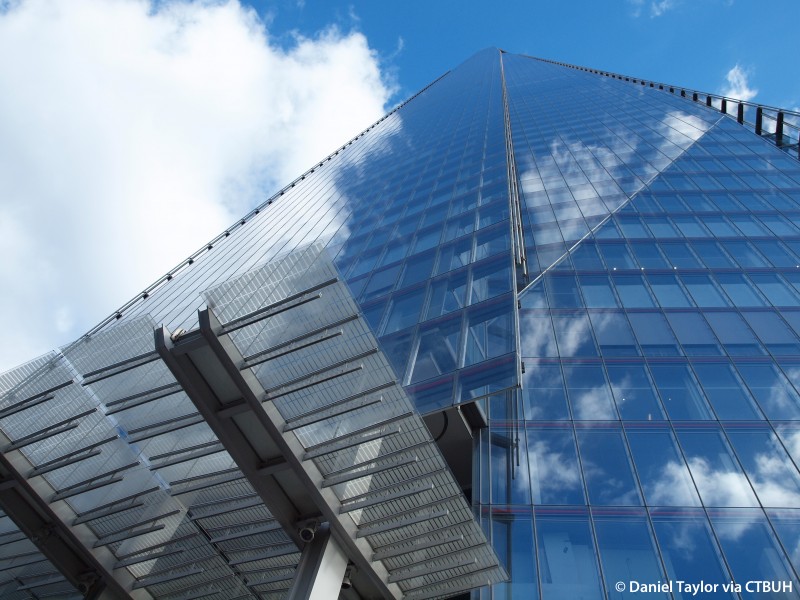
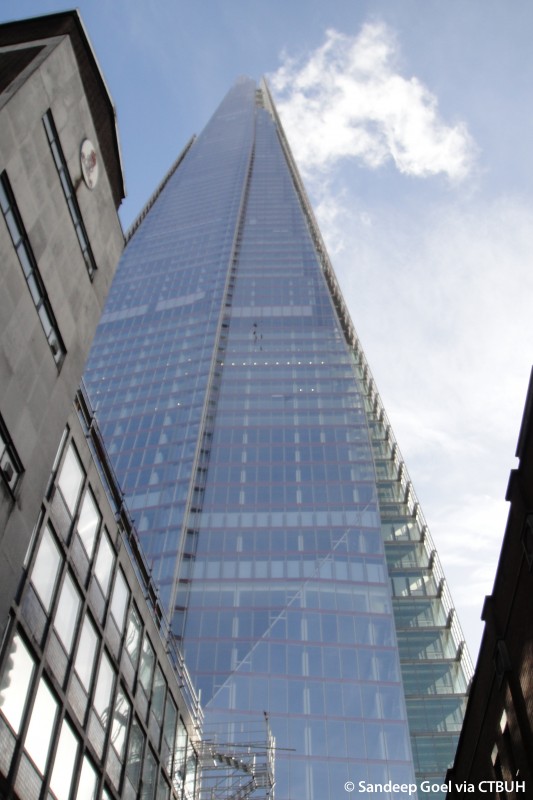
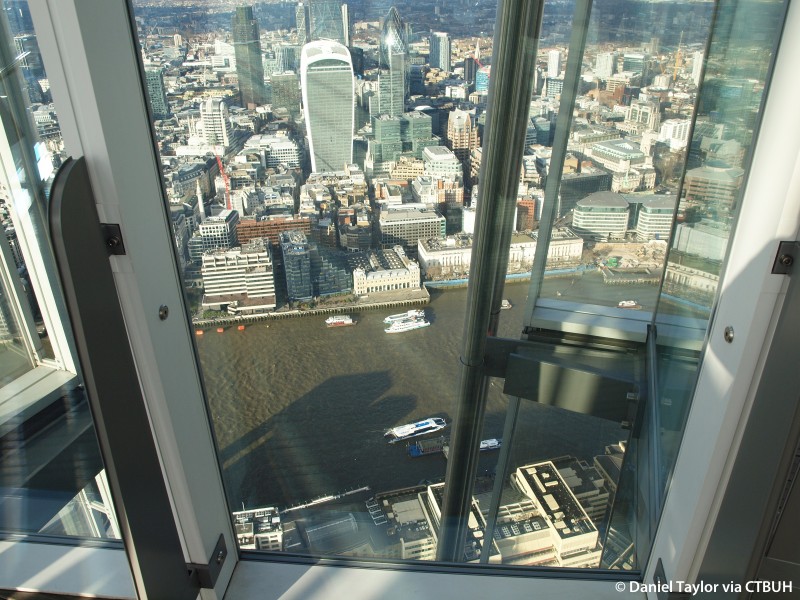
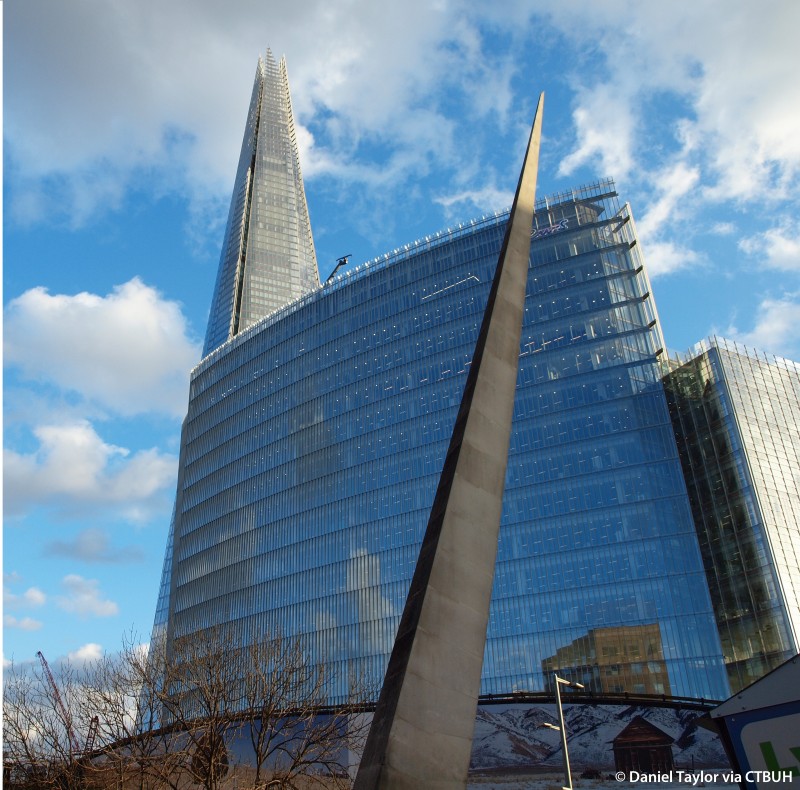
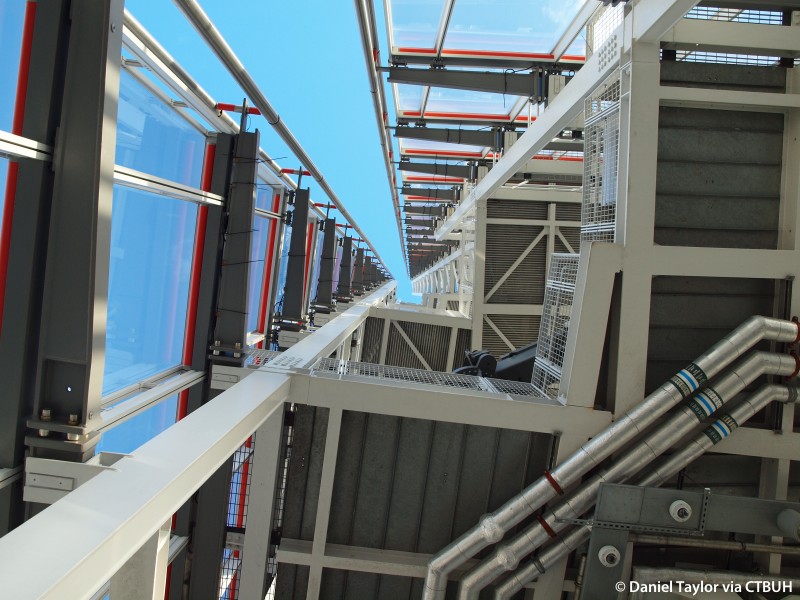
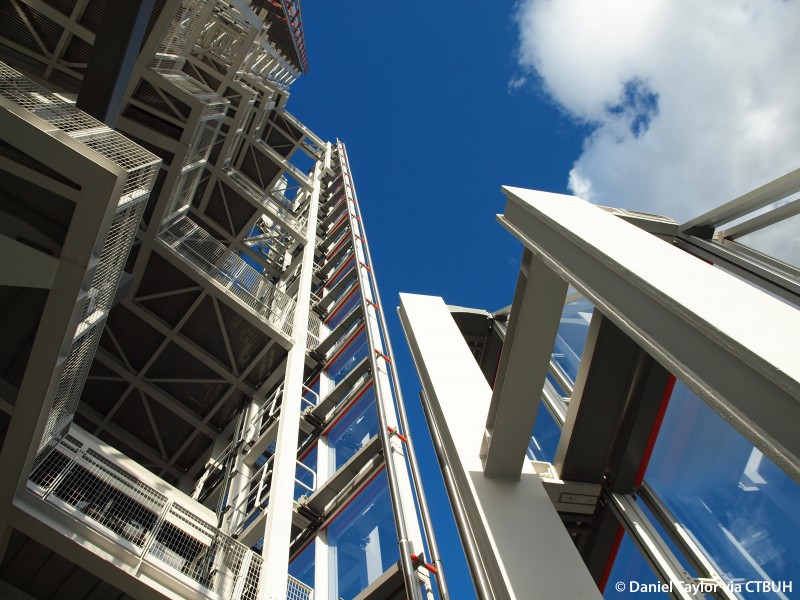
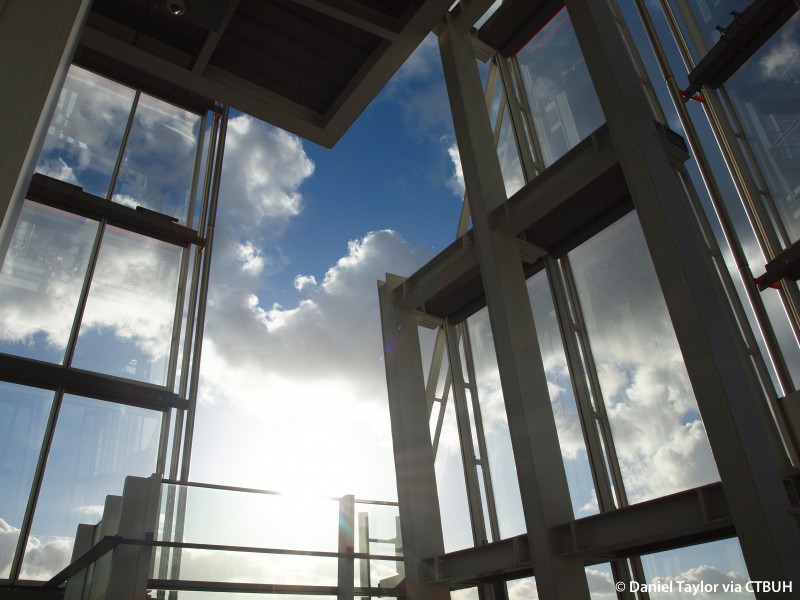
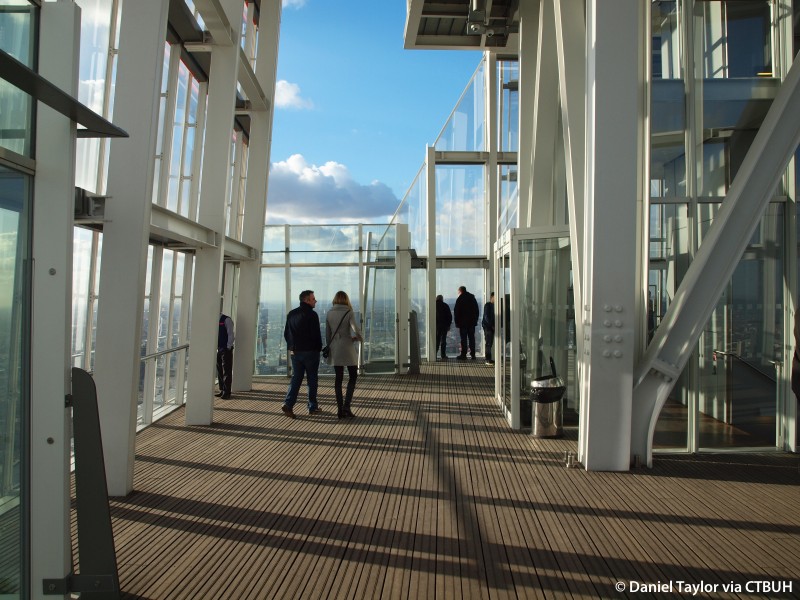
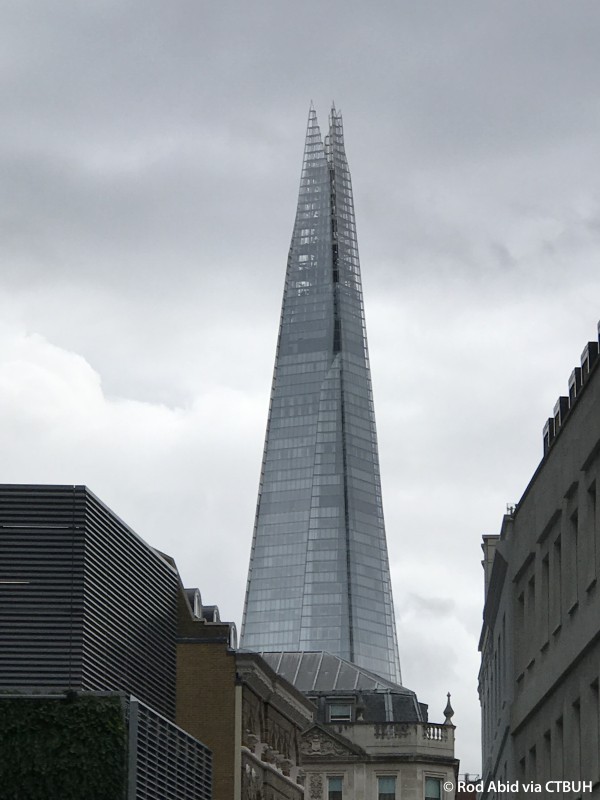
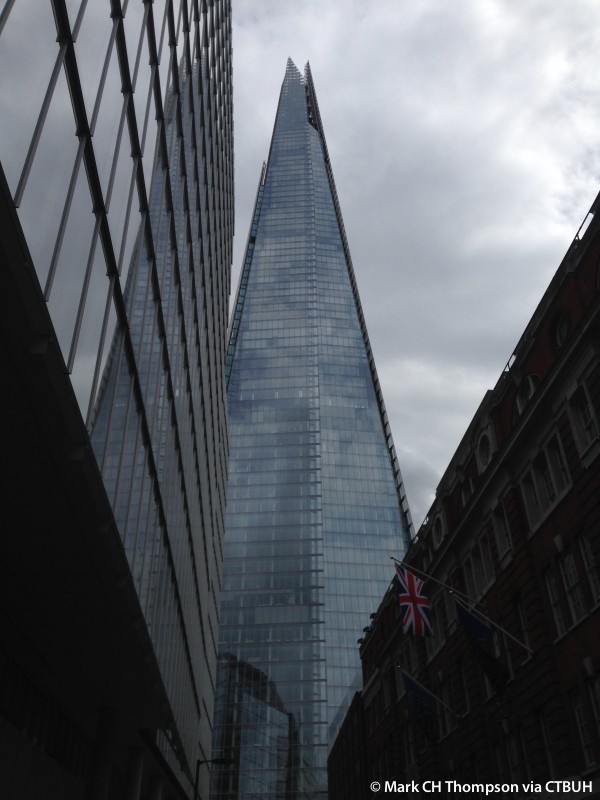
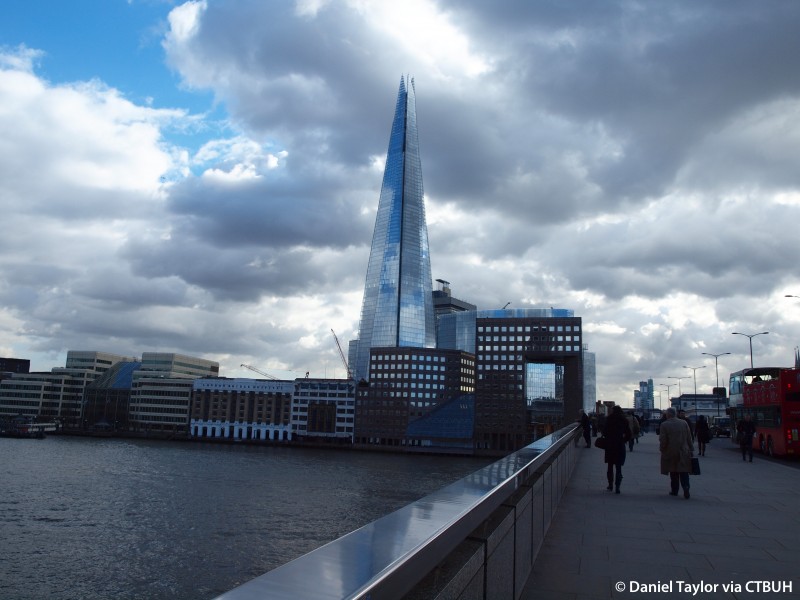
The iconic tower has redefined the London skyline and is already an international symbol for London. A mixed-use “vertical city,” it offers more than 55,000 square meters of office space on 25 floors, three floors of restaurants, a 17-story hotel, 13 floors of apartments and a triple-height viewing gallery, as well as an open-air viewing floor on level 72. It is crowned with a steel-framed pinnacle and clad with shards of glass designed to blend into the sky. Standing next to London Bridge Station, one of London’s busiest transport hubs, at the heart of London Bridge Quarter, London’s newest commercial quarter, the Shard is a key part of the regeneration of London’s South Bank.
The name “The Shard” is derived from the architect’s description of the development as a “shard of glass” during planning stages. Its design was influenced by the irregular nature of the site.
The tapered form of the building provides efficient and economic floor design, with optimally sized floor plates conducive to its function as a multi-use development. Thus, offices on the lower floor make use of large open plan spaces with minimal structural intrusion, while the upper floors suit the uses of the hotel rooms and apartments, which require smaller floor plates. Moving further up into the spire, steel beams and columns with elegantly detailed connections help create an aesthetic, open space for the public to appreciate the views.
Matching the structure to the different uses allowed efficient use of materials, reducing both cost and the amount of embodied carbon on the project. It also maximized the net lettable area for the client.
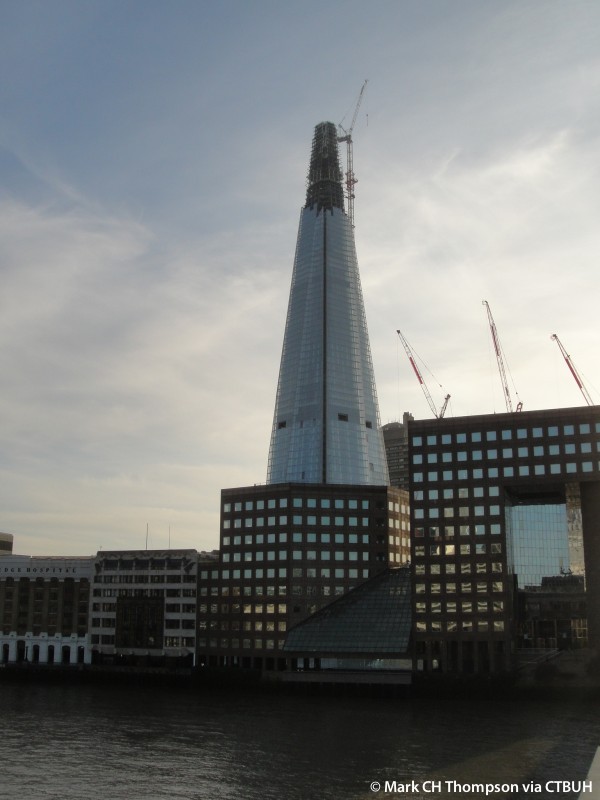
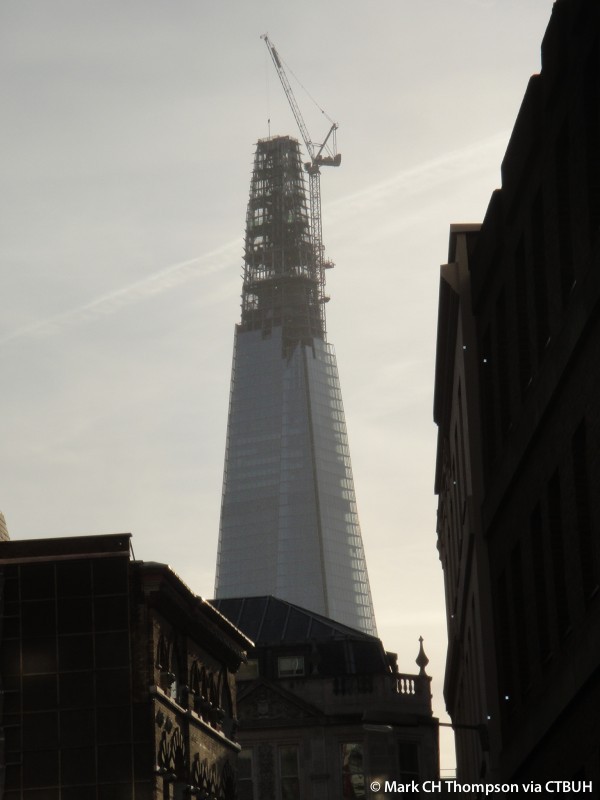
Delivering Europe’s tallest tower in record time drove structural engineers and contractors to rethink the basic principles of construction and use new techniques to go higher and faster than had been conducted in the UK previously. To overcome the challenges of building a skyscraper safely in central London, adjacent to a major transport hub, the team delivered a number of firsts: the first core to be built by top-down construction, the UK’s largest concrete pour, the first use of jump-lift construction, the first inclined hoist in the world, and the first crane to be supported on a slipform. A specially designed laster-guided drilling rig was used to surgically place pilings among Victorian-era underground utilities and ancient archaelogical finds. Top-down construction allowed the first 23 stories of the concrete core and much of the surrounding tower to be built before the basement had been fully excavated. This technique was a world first and saved four months on the complex program.
The distinct tapering form is achieved in five structural parts. From basement level three to the 72nd floor there is a reinforced concrete core. The first 40 floors are a composite steel frame, while a post-tension concrete frame runs up to level 60, with a traditional reinforced concrete frame taking the project to level 72. The spire, to level 87, is made of steel. The mixture of concrete and steel increased the efficiency of the structure. The design negated the need for expensive tuned mass dampers by building the hotel and apartment levels in concrete, sandwiched between the steel office floors and spire.
Post-tensioned concrete was more suitable for the smaller spans higher up the building and saved 550 millimeters per floor. The concrete also provided structural damping, thus saving money and weight and releasing a further two floors as lettable space. In addition, fabricated uniform-depth steel beams acting compositely with the concrete floor slabs optimized the space in the ceilings for services.
The Shard is intended to regenerate and energize South London. The development promotes sustainable travel by including only 48 car parking spaces and features a major refurbishment of the adjacent London Bridge station, which handles 54 million passengers a day.
CVU Awards & Distinctions
Best Tall Building, by Region, Europe 2013 Winner
2013 CVU Awards
Global News
30 July 2020
CTBUH In The Media: The Future of Skyscrapers: A Mile High, Slimmer Than Ever and Made from Wood
History does not want for dizzying fantasies of tall buildings. From the Tower of Babel onwards, humanity has dreamed of ever-more wondrous skyscrapers, whether we...

27 March 2019
Tulip Tower Set for City of London Approval
City of London planning officers have recommended approval for Foster + Partners’ opinion-splitting Tulip on a site next to the Gherkin. The planned 305-meter-tall tourist...
Learn more about the Council on Vertical Urbanism
Discover how vertical living is shaping the next generation of urban environments. Explore insights, research, and global leadership in vertical urban development