




Height rank
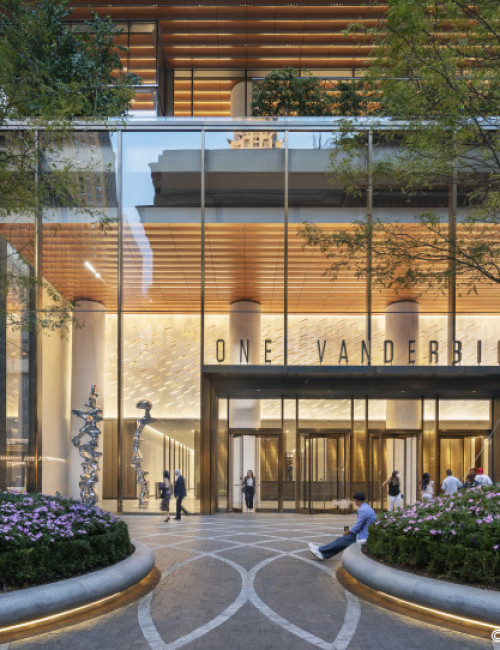
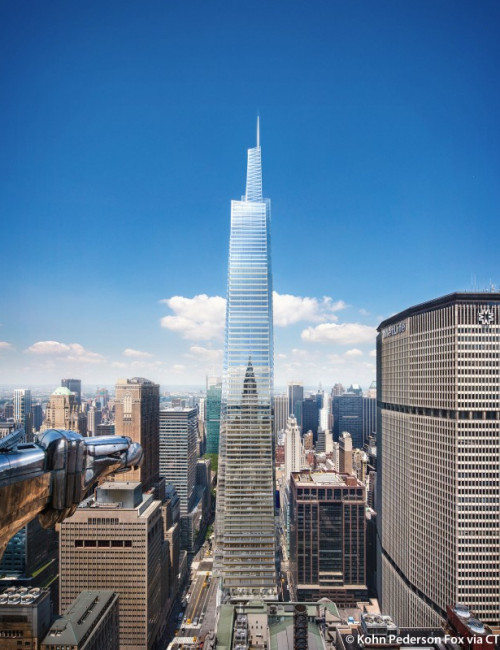
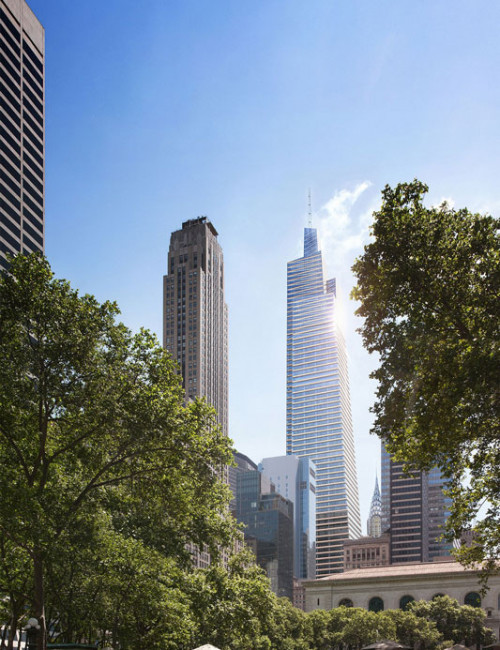
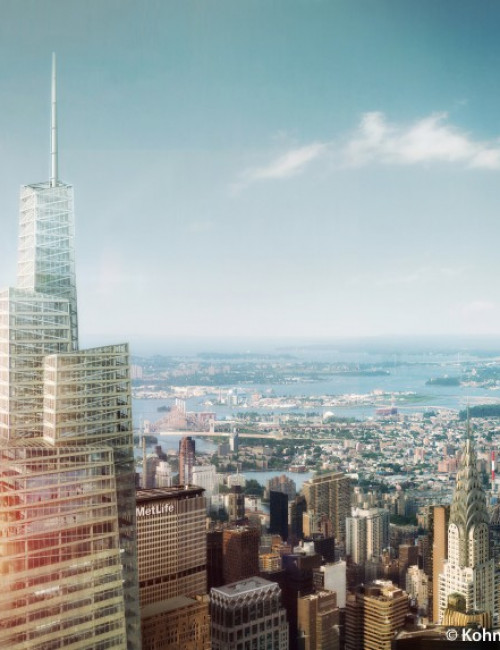
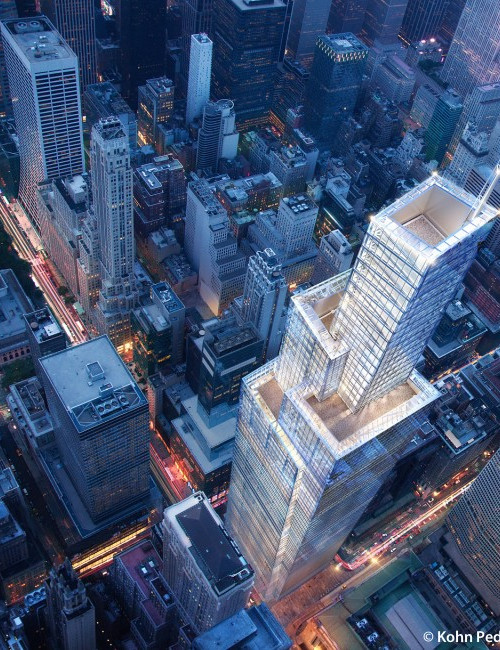
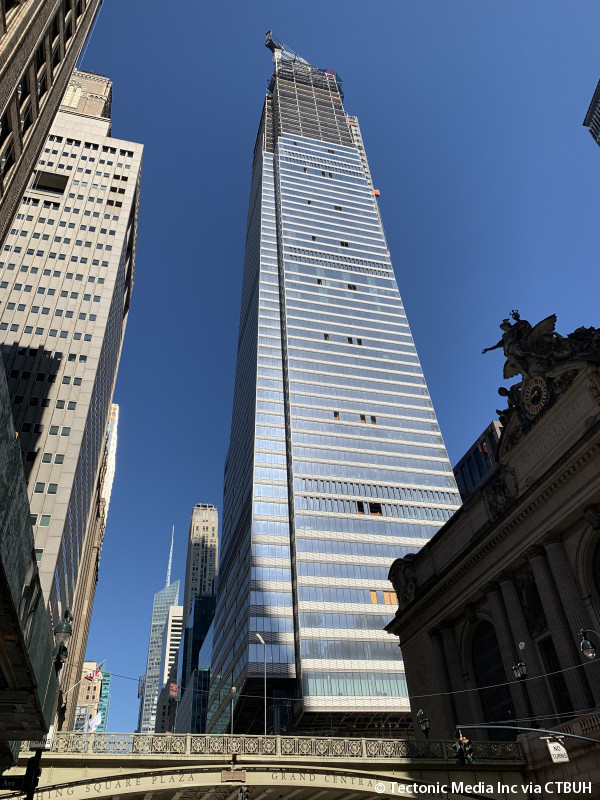
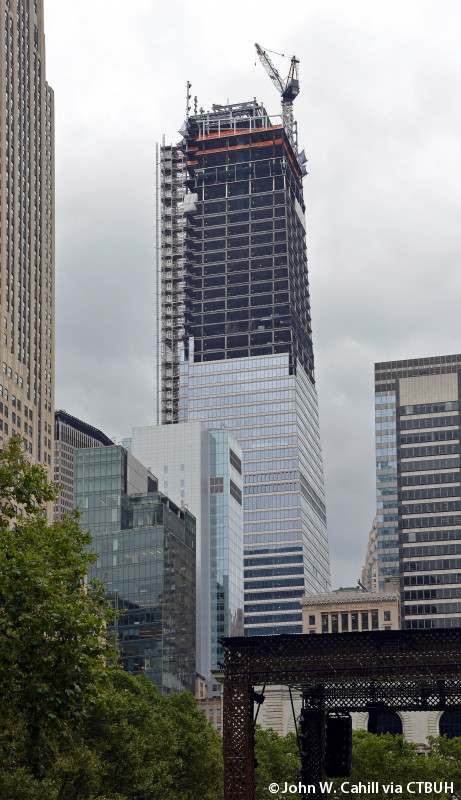
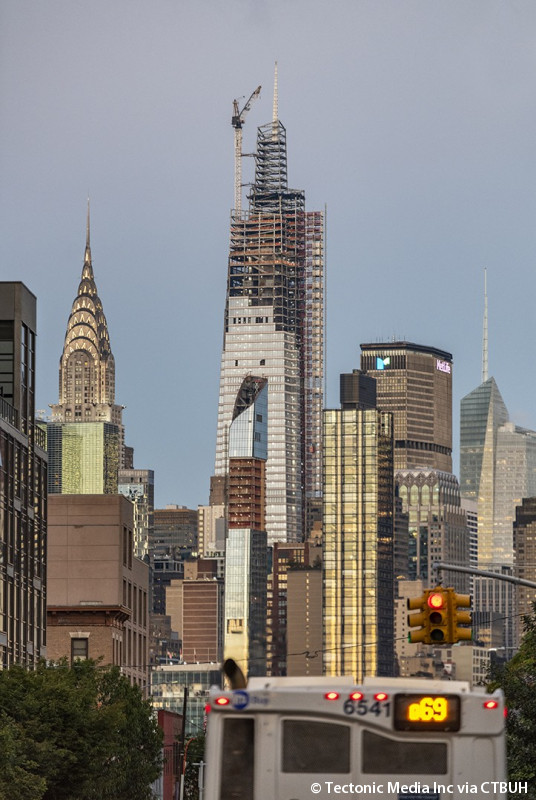
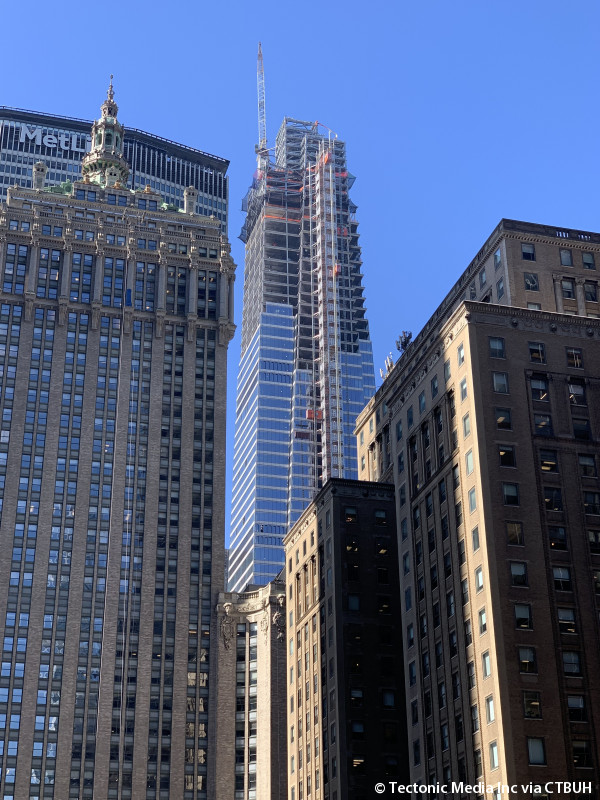
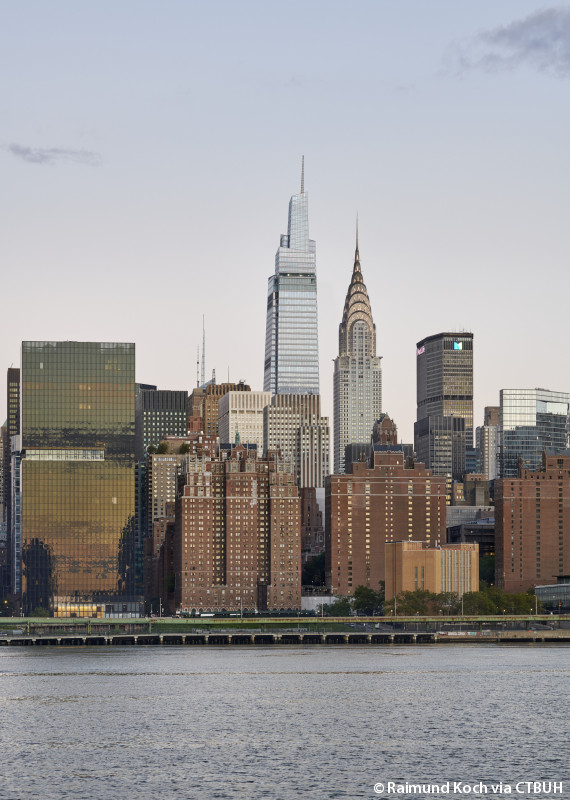
One Vanderbilt Avenue
New York City

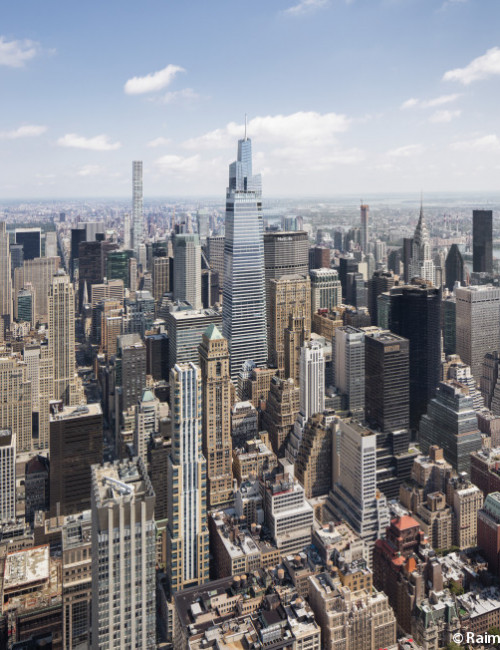
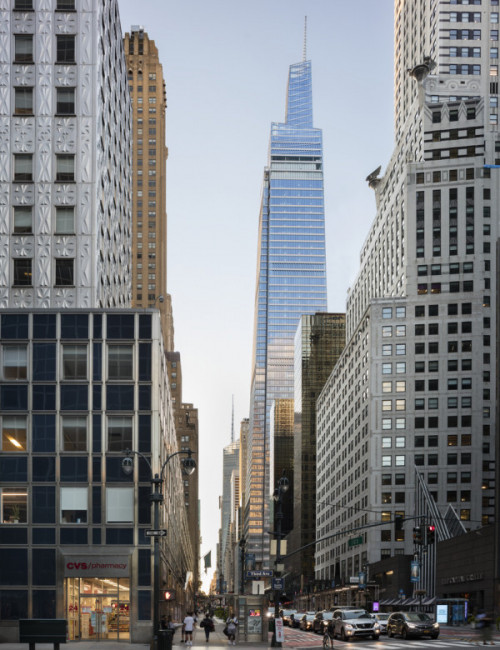
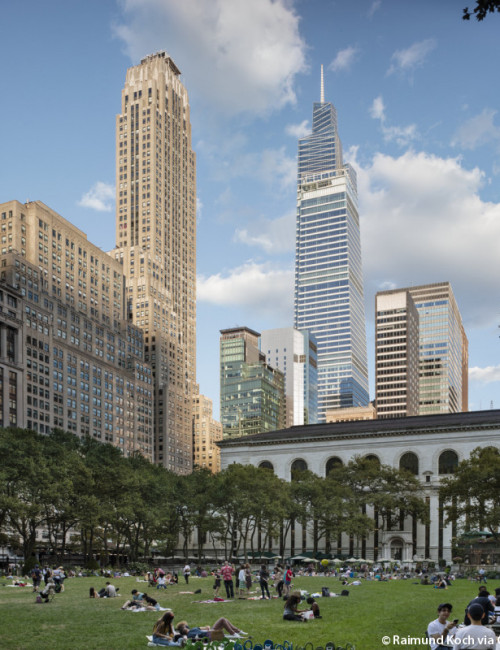
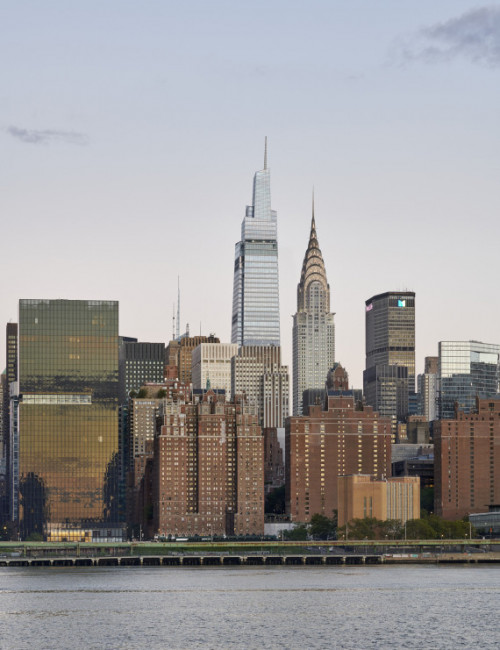
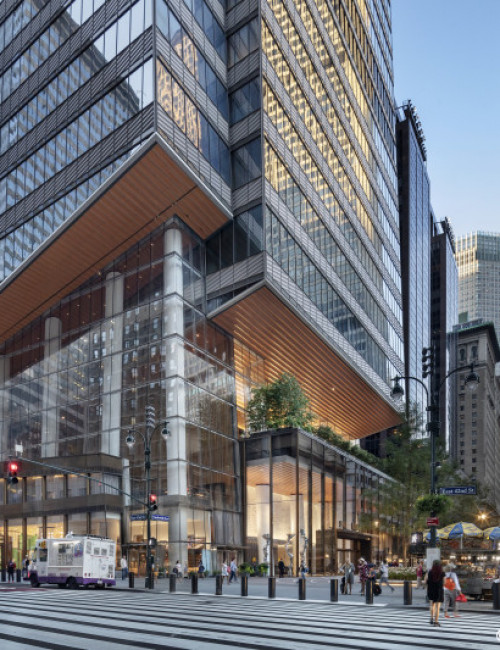
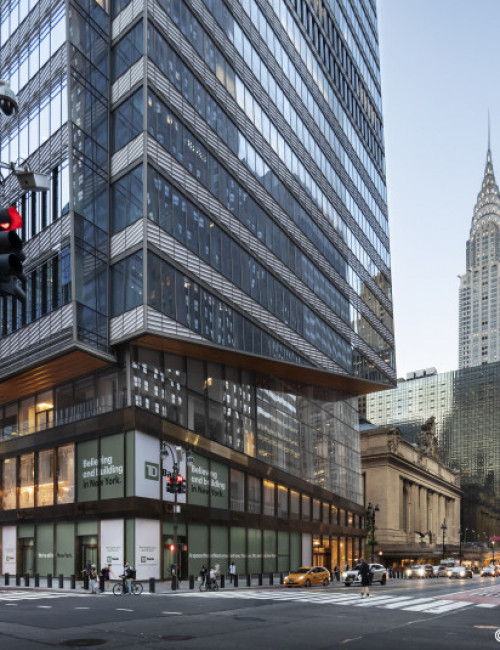
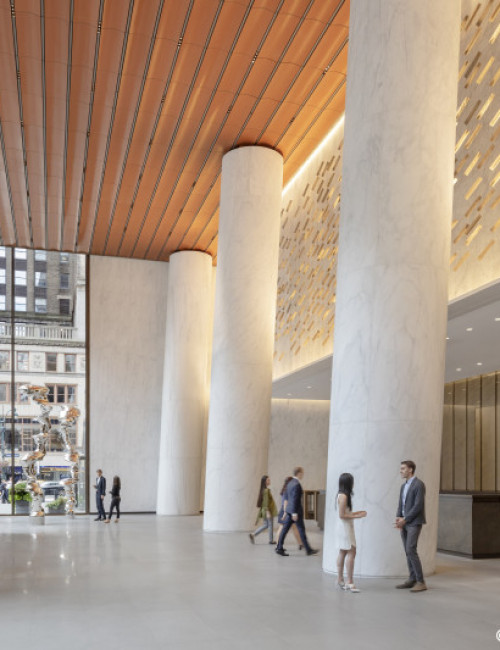
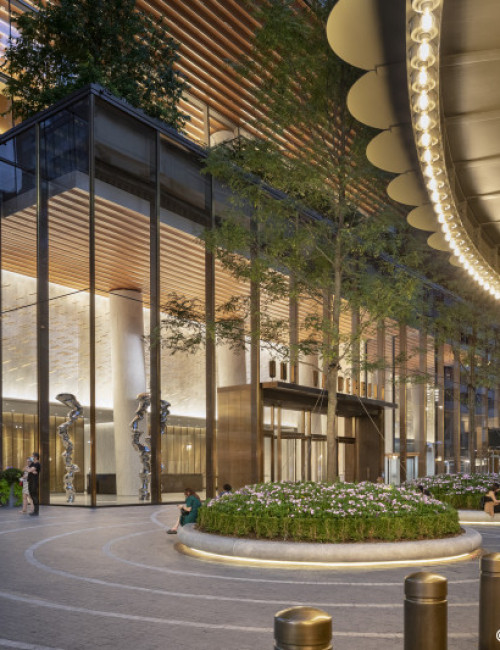











kpf.jpg)


slgreen.jpg)





- CVU Drawing
- Facts
-
Metrics
You must be a CVU Member to view this resource.
To Tip:
Height is measured from the level of the lowest, significant, open-air, pedestrian entrance to the highest point of the building, irrespective of material or function of the highest element (i.e., including antennae, flagpoles, signage and other functional-technical equipment).Architectural:
Height is measured from the level of the lowest, significant, open-air, pedestrian entrance to the architectural top of the building, including spires, but not including antennae, signage, flag poles or other functional-technical equipment. This measurement is the most widely utilized and is employed to define the Council on Vertical Urbanism (CVU) rankings of the "World's Tallest Buildings."Occupied:
Height is measured from the level of the lowest, significant, open-air, pedestrian entrance to the highest occupied floor within the building.
Above Ground
The number of floors above ground should include the ground floor level and be the number of main floors above ground, including any significant mezzanine floors and major mechanical plant floors. Mechanical mezzanines should not be included if they have a significantly smaller floor area than the major floors below. Similarly, mechanical penthouses or plant rooms protruding above the general roof area should not be counted. Note: CVU floor counts may differ from published accounts, as it is common in some regions of the world for certain floor levels not to be included (e.g., the level 4, 14, 24, etc. in Hong Kong).Below Ground
The number of floors below ground should include all major floors located below the ground floor level.Official Name
One Vanderbilt Avenue
Other Names
One Vanderbilt
Type
Building
Status
Completed
Completion
2020
Country
City
Address
Function
A mixed-use tall building contains two or more functions (or uses), where each of the functions occupy a significant proportion of the tower's total space. Support areas such as car parks and mechanical plant space do not constitute mixed-use functions. Functions are denoted on CVU "Tallest Building" lists in descending order, e.g., "hotel/office" indicates hotel function above office function.
Office
Structural Material
Both the main vertical/lateral structural elements and the floor spanning systems are constructed from steel. Note that a building of steel construction with a floor system of concrete planks or concrete slab on top of steel beams is still considered an “all-steel” structure as the concrete elements are not acting as the primary structure.
All-Concrete
Both the main vertical/lateral structural elements and the floor spanning systems are constructed from concrete which has been cast in place and utilizes steel reinforcement bars and/or steel reinforced concrete which has been precast as individual components and assembled together on-site.
All-Timber
Both the main vertical/lateral structural elements and the floor spanning systems are constructed from timber. An all-timber structure may include the use of localized non-timber connections between timber elements. Note that a building of timber construction with a floor system of concrete planks or concrete slab on top of timber beams is still considered an “all-timber” structure as the concrete elements are not acting as the primary structure.
Mixed-Structure
Utilizes distinct systems (e.g. all-steel, all-concrete, all-timber), one on top of the other. For example, a Steel Over Concrete indicates an all-steel structural system located on top of an all-concrete structural system, with the opposite true of Concrete Over Steel.
Composite
A combination of materials (e.g. steel, concrete, timber) are used together in the main structural elements. Examples include buildings which utilize: steel columns with a floor system of reinforced concrete beams; a steel frame system with a concrete core; concrete-encased steel columns; concrete-filled steel tubes; etc. Where known, the CVU database breaks out the materials used within a composite building’s primary structural elements.
Concrete-Steel Composite
Energy Label
LEED v3 Platinum, LEED v4 Gold, WELL Health-Safety Rating
Official Website
Height
427 m / 1,401 ft
Floors Above Ground
62
Floors Below Ground
4
# of Elevators
42
Tower GFA
111,484 m² / 1,200,004 ft²
Rankings
-
By function
You must be a CVU Member to view this resource.
-
By material
You must be a CVU Member to view this resource.
Construction Schedule
Proposed
Construction Start
Completed
Owner
Architect
Usually involved in the front end design, with a "typical" condition being that of a leadership role through either Schematic Design or Design Development, and then a monitoring role through the CD and CA phases.
Structural Engineer
The Design Engineer is usually involved in the front end design, typically taking the leadership role in the Schematic Design and Design Development, and then a monitoring role through the CD and CA phases.
MEP Engineer
The Design Engineer is usually involved in the front end design, typically taking the leadership role in the Schematic Design and Design Development, and then a monitoring role through the CD and CA phases.
Contractor
The main contractor is the supervisory contractor of all construction work on a project, management of sub-contractors and vendors, etc. May be referred to as "Construction Manager," however, for consistency CTBUH uses the term "Main Contractor" exclusively.
Other Consultant
Other Consultant refers to other organizations which provided significant consultation services for a building project (e.g. wind consultants, environmental consultants, fire and life safety consultants, etc).
Other Consultant refers to other organizations which provided significant consultation services for a building project (e.g. wind consultants, environmental consultants, fire and life safety consultants, etc).
These are firms that consult on the design of a building's façade. May often be referred to as "Cladding," "Envelope," "Exterior Wall," or "Curtain Wall" Consultant, however, for consistency CTBUH uses the term "Façade Consultant" exclusively.
Material Supplier
Material Supplier refers to organizations which supplied significant systems/materials for a building project (e.g. elevator suppliers, facade suppliers, etc).
Material Supplier refers to organizations which supplied significant systems/materials for a building project (e.g. elevator suppliers, facade suppliers, etc).
You must be a CVU Member to view this resource.
Owner
Mori Building; SL Green Realty Corp.
Developer
SL Green Realty Corp.
Architect
Usually involved in the front end design, with a "typical" condition being that of a leadership role through either Schematic Design or Design Development, and then a monitoring role through the CD and CA phases.
Structural Engineer
The Design Engineer is usually involved in the front end design, typically taking the leadership role in the Schematic Design and Design Development, and then a monitoring role through the CD and CA phases.
MEP Engineer
The Design Engineer is usually involved in the front end design, typically taking the leadership role in the Schematic Design and Design Development, and then a monitoring role through the CD and CA phases.
Project Manager
The CTBUH lists a project manager when a specific firm has been commissioned to oversee this aspect of a tall building’s design/construction. When the project management efforts are handled by the developer, main contract, or architect, this field will be omitted.
The CTBUH lists a project manager when a specific firm has been commissioned to oversee this aspect of a tall building’s design/construction. When the project management efforts are handled by the developer, main contract, or architect, this field will be omitted.
Hines
Contractor
The main contractor is the supervisory contractor of all construction work on a project, management of sub-contractors and vendors, etc. May be referred to as "Construction Manager," however, for consistency CTBUH uses the term "Main Contractor" exclusively.
Other Consultant
Other Consultant refers to other organizations which provided significant consultation services for a building project (e.g. wind consultants, environmental consultants, fire and life safety consultants, etc).
Other Consultant refers to other organizations which provided significant consultation services for a building project (e.g. wind consultants, environmental consultants, fire and life safety consultants, etc).
Cerami & Associates
GeoSonics/Vibra-Tech Inc.
J.S. Held; The Friday Group LLC
Domani Inspection Service, Inc.; Howard I. Shapiro & Associates; Waldorf Demolition
AKRF; WCD Environmental
These are firms that consult on the design of a building's façade. May often be referred to as "Cladding," "Envelope," "Exterior Wall," or "Curtain Wall" Consultant, however, for consistency CTBUH uses the term "Façade Consultant" exclusively.
Israel Berger & Associates; Wiss, Janney, Elstner Associates, Inc; Permasteelisa Group; Vidaris, Inc.
CS Caulkins Co. Inc
John Civetta & Sons, Inc.
PWP Landscape Architecture
By-Encore; CBRE
Kenzo Digital; Snøhetta AS
Kasirer; Milrose Consultants, Inc.
Higgins Quasebarth & Partners; Robert Silman Associates
Vidaris, Inc.
HMA Consulting, Inc.; Stone Engineering & Architecture DPC; T&M Protection Resources, LLC
Delos Living LLC; Viridian Energy & Environmental, LLC; Vidaris, Inc.
Pentagram
Material Supplier
Material Supplier refers to organizations which supplied significant systems/materials for a building project (e.g. elevator suppliers, facade suppliers, etc).
Material Supplier refers to organizations which supplied significant systems/materials for a building project (e.g. elevator suppliers, facade suppliers, etc).
Boston Valley Terracotta
Navillus Contracting; PERI; Tec-Crete Transit Mix Corporation
John Civetta & Sons, Inc.
Nucor
Atlas Group; Bramco Steel Services LLC; Ellwood Specialty Steel; Banker Steel Company; ArcelorMittal
CVU Awards & Distinctions
Best Tall Building, by Height, 400 meters and above 2022 Winner
2022 CVU Awards
Best Tall Building, by Function, Office 2022 Award of Excellence
2022 CVU Awards
Geotechnical Engineering 2022 Award of Excellence
2022 CVU Awards
Global News

08 January 2025
Japanese Owner/Developer Acquires Stake in NYC's One Vanderbilt
Mori Building Co., Ltd., one of Japan's leading urban developers, has acquired a stake in One Vanderbilt through its U.S. subsidiary, Mori Building (U.S.A.) LLC. ...
Global News
08 January 2025
Japanese Owner/Developer Acquires Stake in NYC's One Vanderbilt
Mori Building Co., Ltd., one of Japan's leading urban developers, has acquired a stake in One Vanderbilt through its U.S. subsidiary, Mori Building (U.S.A.) LLC. ...

13 May 2021
New York City Observatory Set to Open Fall 2021
Summit One Vanderbilt, a four-level 6,039 square meter (65,000 square foot) observatory including an outdoor summit terrace, will be located in the crown of One...

15 September 2020
Ribbon-Cutting Opens Skyscraper in New York City
Yesterday, 14 September 2020, Kohn Pedersen Fox Associates (KPF) and developers SL Green and Hines celebrated the opening of One Vanderbilt with a ribbon cutting...

18 September 2019
Two Supertalls Top Out in New York City
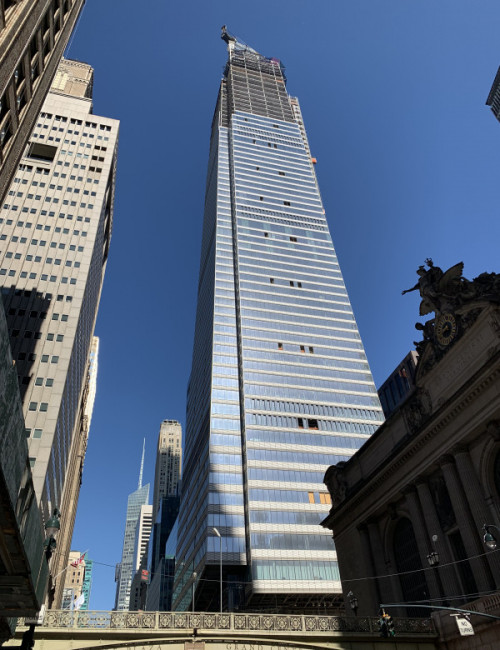
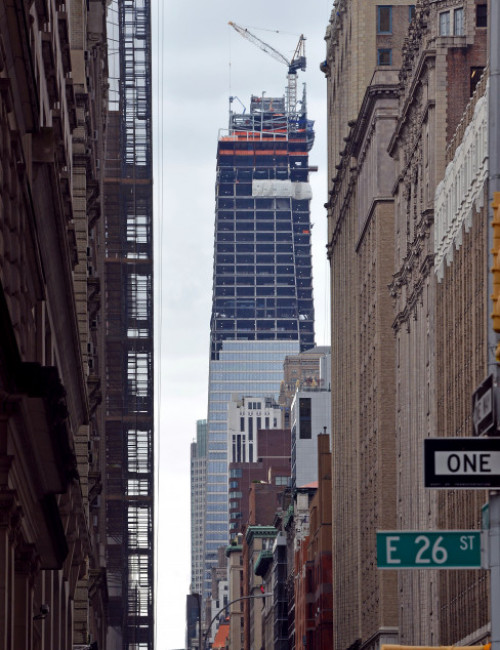
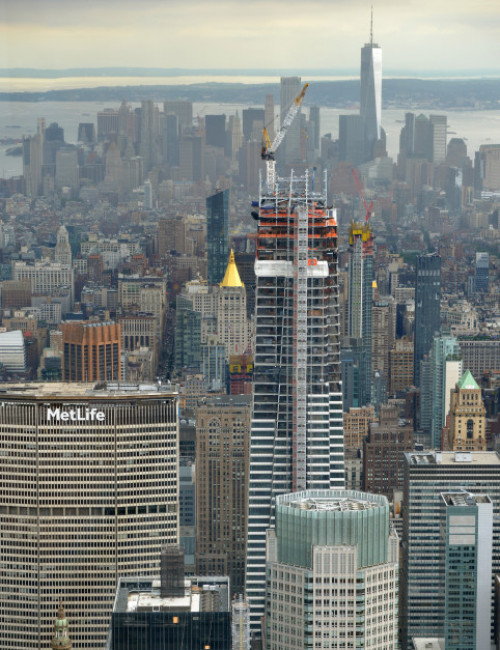
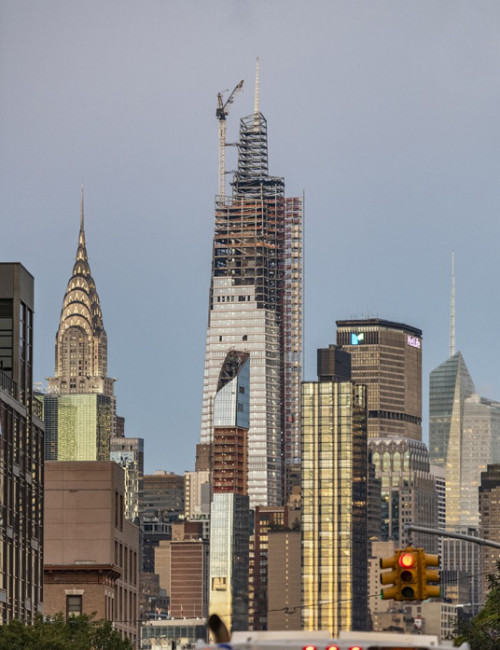
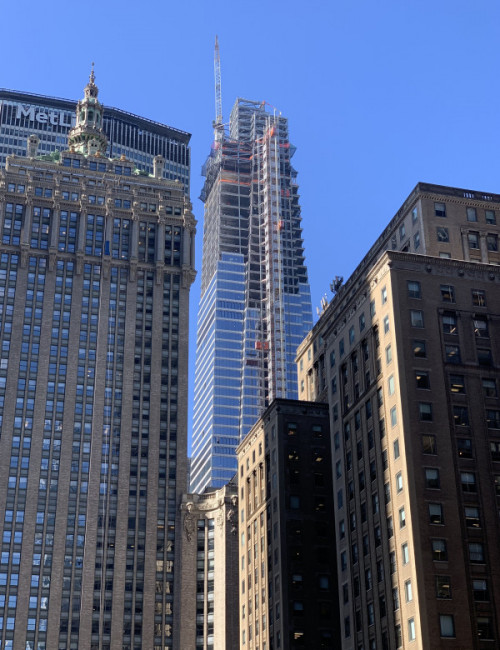
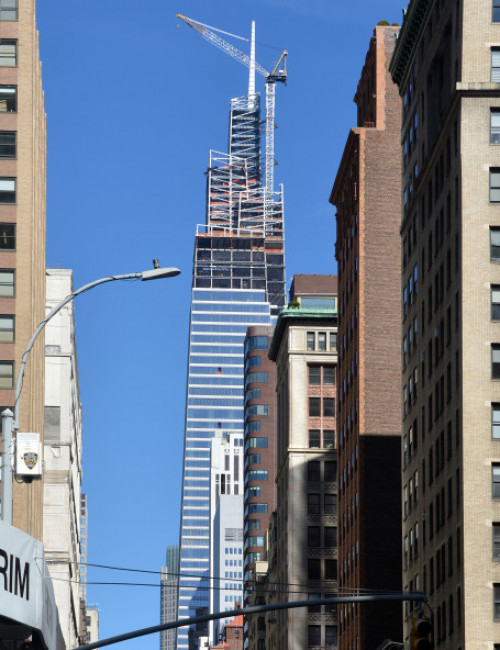
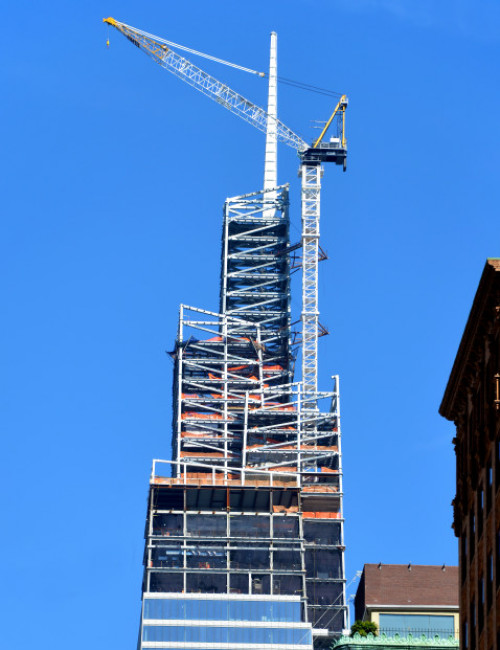
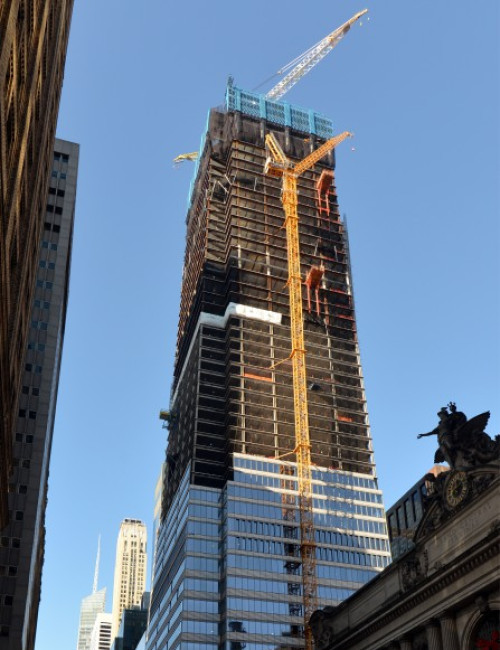
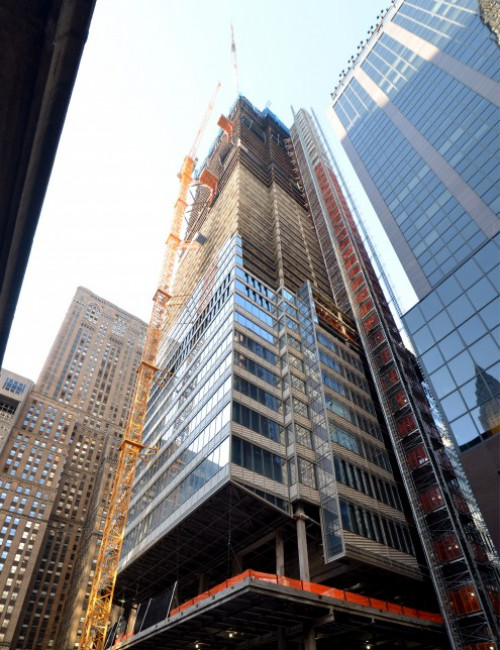
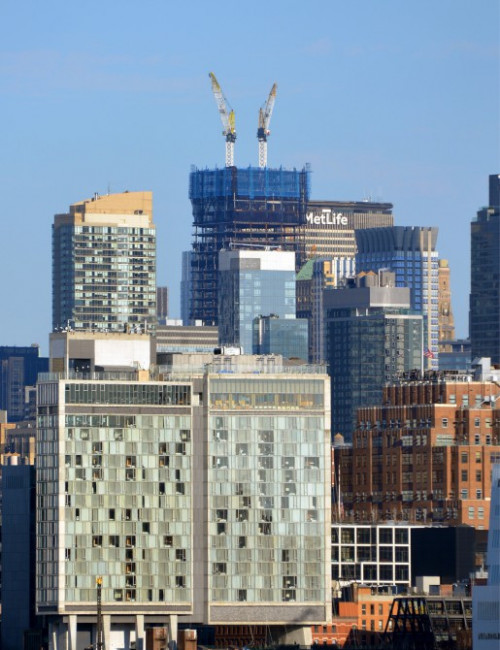
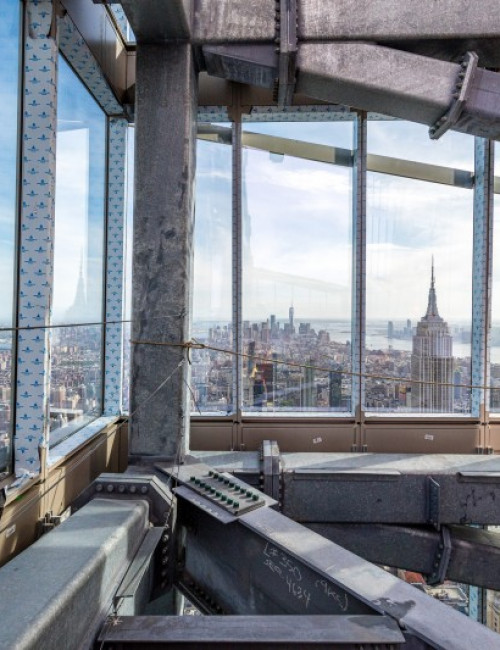
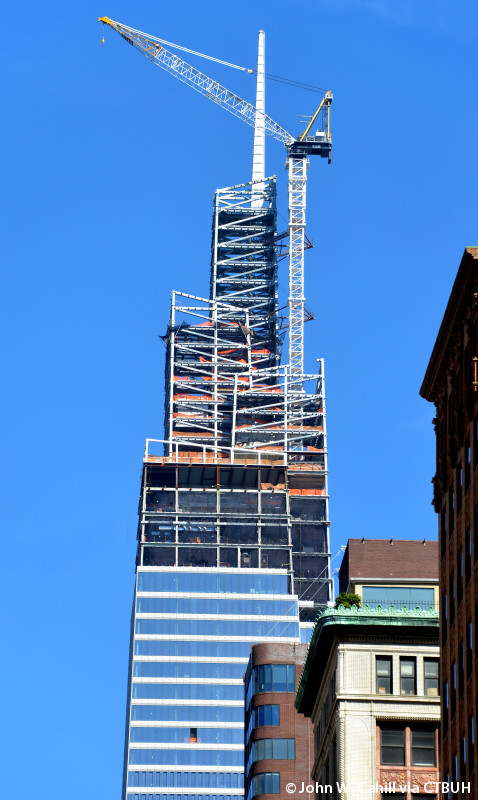
The Grand Central Terminal-adjacent supertall One Vanderbilt officially topped out this week, reaching its full 1,401-foot (427-meter) height. Designed by Kohn Pedersen Fox, the tower...

05 February 2019
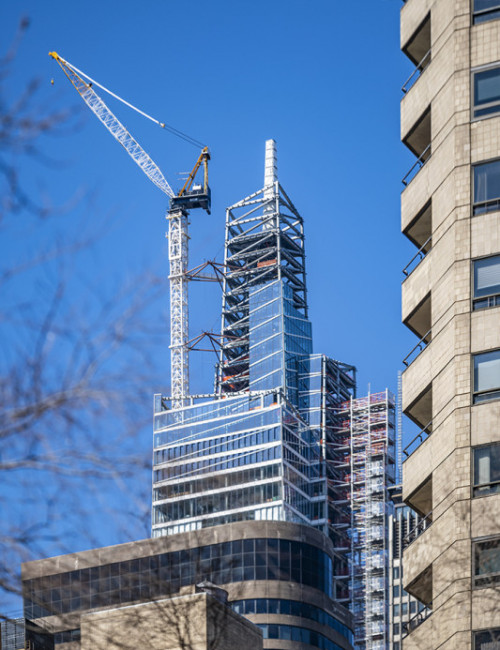
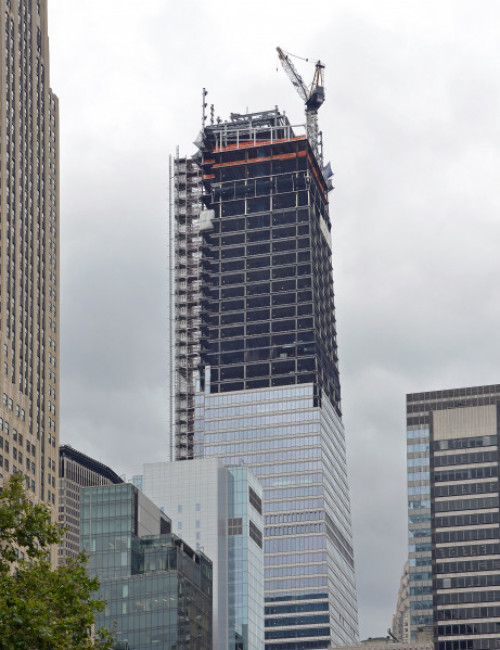
One Vanderbilt Reaches Supertall Territory Above Midtown East, New York City
One Vanderbilt is officially the latest skyscraper in New York City to achieve a height equivalent to “supertall” (300 meters and higher) status. Located at...
Learn more about the Council on Vertical Urbanism
Discover how vertical living is shaping the next generation of urban environments. Explore insights, research, and global leadership in vertical urban development