




Height rank
Pittsfield Building
Chicago
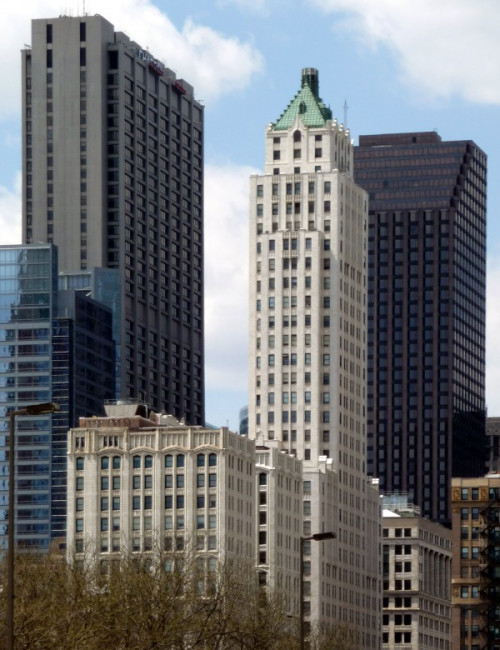
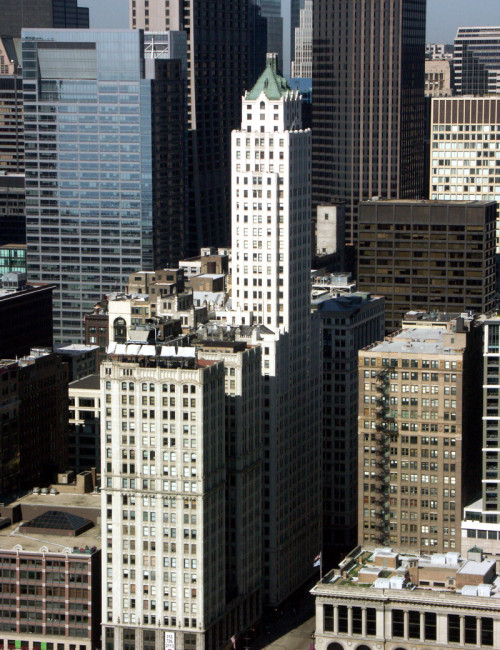
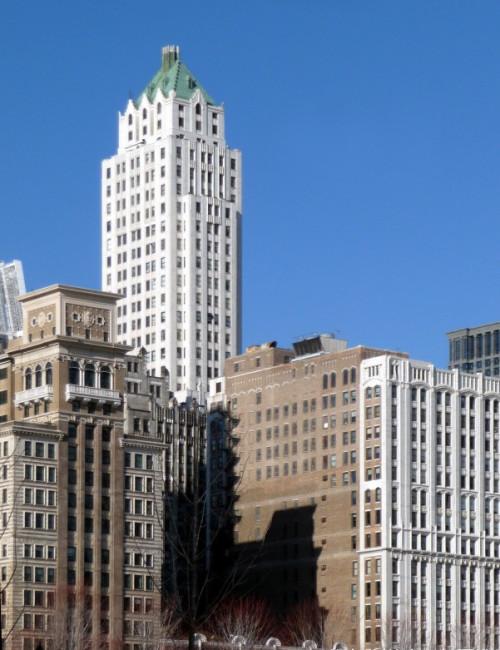
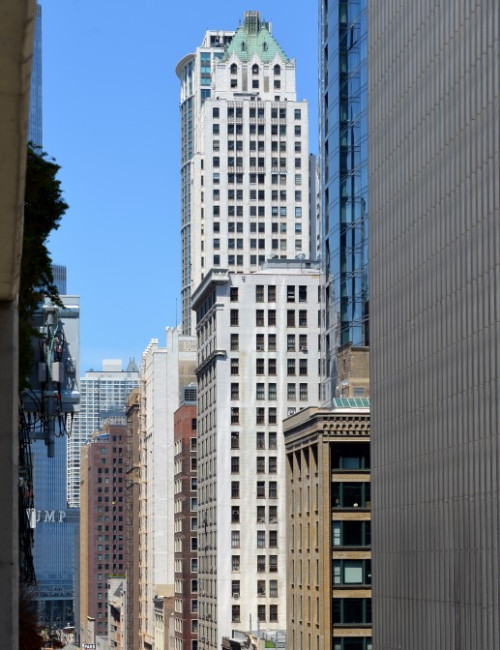
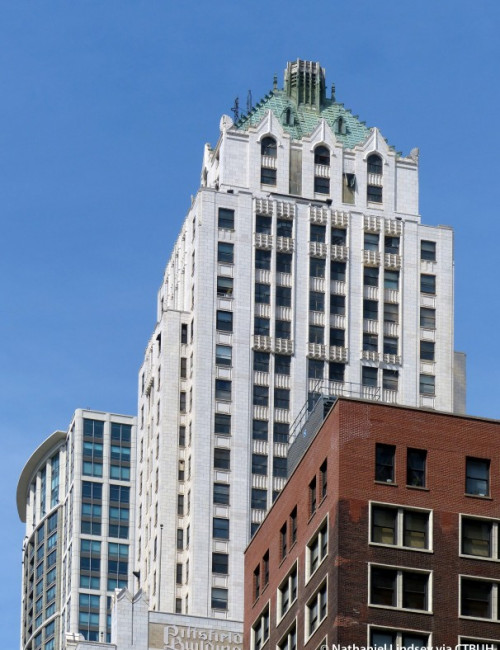

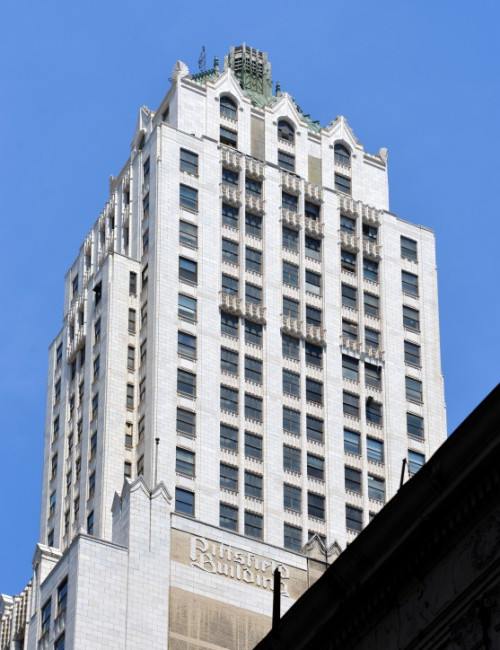
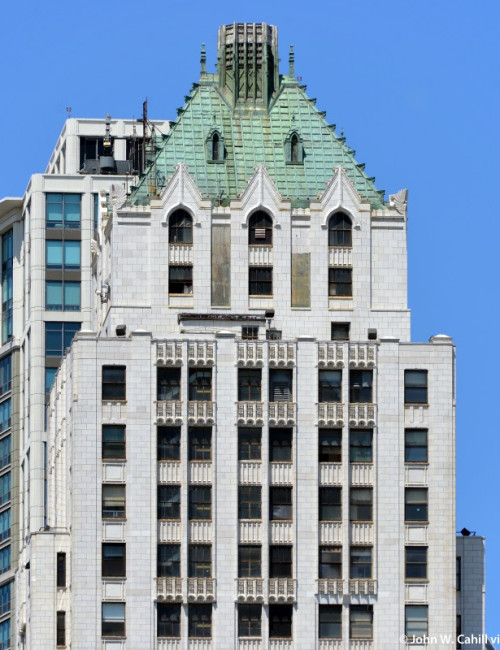
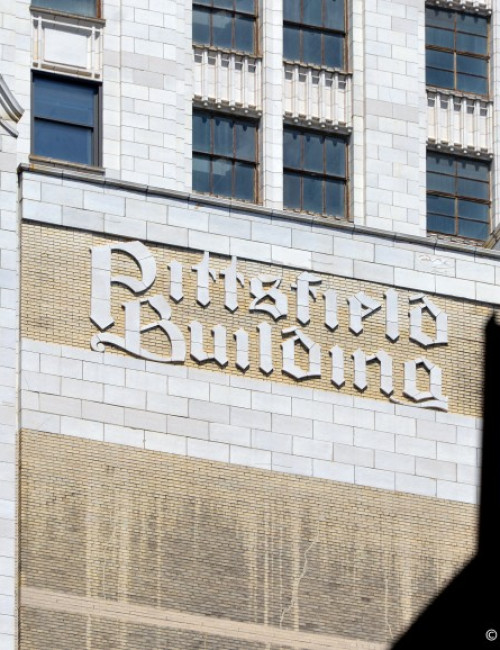




- Facts
-
Metrics
You must be a CVU Member to view this resource.
Official Name
Pittsfield Building
Other Names
Fornelli Hall
Type
Building
Status
Completed
Completion
1927
Country
City
Address
Current Function
A mixed-use tall building contains two or more functions (or uses), where each of the functions occupy a significant proportion of the tower's total space. Support areas such as car parks and mechanical plant space do not constitute mixed-use functions. Functions are denoted on CVU "Tallest Building" lists in descending order, e.g., "hotel/office" indicates hotel function above office function.
Observation / Residential
Original Function
Office
Structural Material
Both the main vertical/lateral structural elements and the floor spanning systems are constructed from steel. Note that a building of steel construction with a floor system of concrete planks or concrete slab on top of steel beams is still considered an “all-steel” structure as the concrete elements are not acting as the primary structure.
All-Concrete
Both the main vertical/lateral structural elements and the floor spanning systems are constructed from concrete which has been cast in place and utilizes steel reinforcement bars and/or steel reinforced concrete which has been precast as individual components and assembled together on-site.
All-Timber
Both the main vertical/lateral structural elements and the floor spanning systems are constructed from timber. An all-timber structure may include the use of localized non-timber connections between timber elements. Note that a building of timber construction with a floor system of concrete planks or concrete slab on top of timber beams is still considered an “all-timber” structure as the concrete elements are not acting as the primary structure.
Mixed-Structure
Utilizes distinct systems (e.g. all-steel, all-concrete, all-timber), one on top of the other. For example, a Steel Over Concrete indicates an all-steel structural system located on top of an all-concrete structural system, with the opposite true of Concrete Over Steel.
Composite
A combination of materials (e.g. steel, concrete, timber) are used together in the main structural elements. Examples include buildings which utilize: steel columns with a floor system of reinforced concrete beams; a steel frame system with a concrete core; concrete-encased steel columns; concrete-filled steel tubes; etc. Where known, the CVU database breaks out the materials used within a composite building’s primary structural elements.
All-Steel
Height
169.8 m / 557 ft
Floors Above Ground
41
Floors Below Ground
3
# of Apartments
442
# of Elevators
16
Rankings
-
By function
You must be a CVU Member to view this resource.
-
By material
You must be a CVU Member to view this resource.
Construction Schedule
Construction Start
Completed
Retrofit Start
Retrofit End
You must be a CVU Member to view this resource.
Owner
L'Cre Partners; Marc Realty
Field Estate; Morgan Reed Group; The Alter Group; The Field Museum; Xiao Hua Gong
Developer
Field Estate
Architect
Usually involved in the front end design, with a "typical" condition being that of a leadership role through either Schematic Design or Design Development, and then a monitoring role through the CD and CA phases.
Graham, Anderson, Probst & White
Structural Engineer
The Design Engineer is usually involved in the front end design, typically taking the leadership role in the Schematic Design and Design Development, and then a monitoring role through the CD and CA phases.
William Braeger
Contractor
The main contractor is the supervisory contractor of all construction work on a project, management of sub-contractors and vendors, etc. May be referred to as "Construction Manager," however, for consistency CTBUH uses the term "Main Contractor" exclusively.
Henry Ericsson and Co.
Retrofit Companies Involved
Developer
L'Cre Partners; The Alter Group
Architect
Usually involved in the front end design, with a "typical" condition being that of a leadership role through either Schematic Design or Design Development, and then a monitoring role through the CD and CA phases.
Other Consultant
Other Consultant refers to other organizations which provided significant consultation services for a building project (e.g. wind consultants, environmental consultants, fire and life safety consultants, etc).
Other Consultant refers to other organizations which provided significant consultation services for a building project (e.g. wind consultants, environmental consultants, fire and life safety consultants, etc).
Acosta Ezgur, LLC
Global News

21 March 2025
New Conversion Proposal for Chicago’s Pittsfield Building
An investor who acquired a significant portion of Chicago’s historic Pittsfield Building is proposing an office-to-residential conversion, adding to the growing trend of repurposing underutilized...
About Pittsfield Building
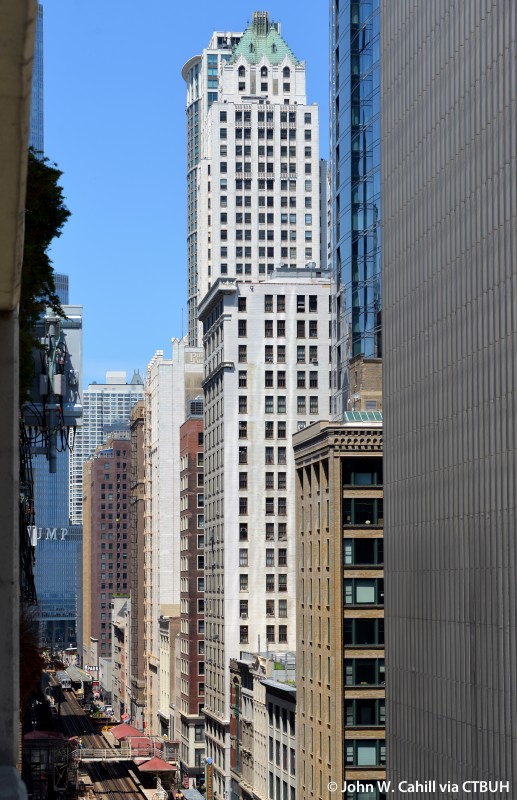
Starting in 2008, floors 13 through 21 were converted from office into 177 residential apartments with The Alter Group serving as the developer and owner of the newly converted space. Initially, these residential units were used as student housing and at the time were collectively referred to as Fornelli Hall.
Learn more about the Council on Vertical Urbanism
Discover how vertical living is shaping the next generation of urban environments. Explore insights, research, and global leadership in vertical urban development